
Lawn
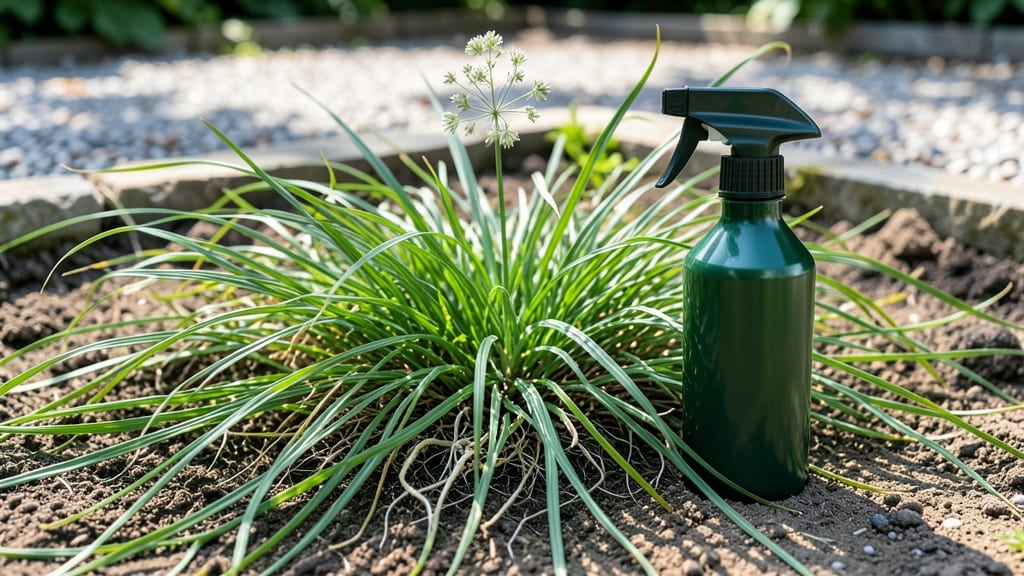
A couch grass killer that actually works—no more pulling weeds for hours, just a natural solution that banishes it for good. ✨ I’ve battled this stubborn weed for years, and I finally found a method that stops it in its tracks—without harsh chemicals.
The secret lies in a targeted approach that smothers the roots while protecting your grass.
You’ll need just three simple supplies: a sharp spade, a heavy-duty plastic sheet, and some landscape fabric. No fancy tools, no toxic sprays—just elbow grease and patience. The process takes about 24 hours of active work, but the results last for seasons.
Within days, you’ll see the couch grass turn yellow and die back completely. Your lawn will look thicker, greener, and free of those pesky runners that keep creeping back. The best part? This method works on sidewalks, driveways, and garden beds too.
Fair warning: Couch grass is sneaky—it can regrow from tiny root fragments. That’s why I’ll show you how to spot hidden shoots and keep your yard weed-free long after the initial treatment. Let’s get started!
📚 In This Guide
- What you need
- Instructions
- Tips and common mistakes
- Wrapping up and next steps
What you need
- ● Couch grass killer herbicide: Choose a glyphosate-based or vinegar-based solution (e.g., Roundup, or a homemade mix of 1 gallon white vinegar + 1 cup salt + 1 tbsp dish soap).
- ● Quantity: Enough to cover the affected area (typically 1–2 gallons for small patches, more for larger infestations).
- ● Spray bottle or garden sprayer: Type: A pump-up sprayer (5–10 gallons) or a handheld trigger sprayer (1–2 gallons).
- ● Tip: For precision, use a spray nozzle with a fine mist setting to avoid overspray.
- ● Gloves (nitrile or rubber): Why? Protects your skin from chemicals and blisters from handling tough grass.
- ● Eye protection (safety goggles): Non-negotiable! Herbicides can irritate eyes—opt for ANSI-rated goggles.
- ● Garden hoe or trowel: Purpose: For digging up roots post-treatment (especially if using natural methods).
- ○ Plastic sheeting or tarp (optional but helpful): Size: Large enough to cover treated areas (e.g., 3’x5’ for small patches).
- ● Why? Prevents drift and keeps pets/kids away while the herbicide works.
- ● Boiling water: For spot-treatment on small patches (use with caution—only for targeted areas!).
- ● Corn gluten meal: A pre-emergent herbicide to prevent couch grass regrowth (apply in early spring).
- ● Garden kneeler/pad: For comfort during long sessions of digging or spraying.
- ● Weather check app: To ensure you’re treating on a clear, dry day (herbicides work best in these conditions).
How to eliminate couch grass naturally in 24 hours
Here's my go-to method for eradicating stubborn couch grass without harsh chemicals.
🌱 Step 1: Identify and Prepare the Affected Area
Couch grass thrives in lawns, gardens, and cracks in pavement. First, identify the worst patches—you'll see its distinctive creeping stems and broad leaves. Clear any debris from the area, then mark the perimeter with a hose or string to define your treatment zone. This helps prevent accidental overspray on desirable plants.
Water the area thoroughly the day before treatment. The soil should be damp but not soggy—this ensures the natural solution penetrates deeply where couch grass roots run rampant. I like to do this in the morning so the ground stays moist throughout the day.
💧 Step 2: Apply the Natural Killer Solution
Mix equal parts white vinegar and water in a spray bottle (no measurements needed—just eyeball it). Add a tablespoon of dish soap per quart of solution to help it cling to the leaves. The vinegar's acidity weakens the grass, while the soap breaks down its waxy coating for better absorption.
Spray the solution directly onto the couch grass, avoiding surrounding plants. You'll see the leaves glisten slightly—this means the mixture is sticking. For stubborn patches, apply a second coat after 30 minutes. The acidity works fastest in direct sunlight, so do this between 10 AM and 4 PM for best results.
☀️ Step 3: Monitor and Reapply as Needed
Within 24 hours, you'll notice the couch grass turning brown and crispy at the edges. This is the vinegar's acidity breaking down the plant's cellular structure. Pull up any wilted sections by hand—they'll come out easily now. For thick mats, you may need to repeat the process every 3-5 days until the area is completely clear.
Watch for new shoots emerging from the roots. Couch grass is persistent, so stay vigilant. If you see fresh green growth after a week, treat those spots immediately. The key is consistency—don't let any part of the plant survive, or it'll regrow.
✂️ Step 4: Prevent Regrowth with Barrier Methods
Once the couch grass is gone, prevent it from creeping back by applying a thick layer of mulch or landscape fabric to bare soil. For lawns, overseed with a dense grass like ryegrass, which outcompetes couch grass for space. I also recommend installing edging around garden beds—this blocks the grass's underground runners from spreading.
If couch grass keeps reappearing, dig down 6 inches and remove any remaining roots. The deeper you go, the fewer chances it has to regrow. For stubborn cases, repeat the vinegar treatment every 2 weeks until the area stays clear for a full month.
Tips & tricks for natural weed control that actually works
Between us, I've spent too many weekends wrestling with couch grass only to see it bounce back. Here's what actually makes a difference—no more guesswork.
Timing Secret: The 24-hour window is your magic number, but don't skip the prep work. That morning watering isn't just busywork—it primes the soil so the vinegar solution penetrates deep where those stubborn roots hide. Think of it like pre-soaking tough meat: the longer it soaks, the easier it breaks down. For best results, do this on a cloudless day when temps are above 65°F—the vinegar works fastest in warmth.
Solution Strength: When mixing your vinegar solution, don't skimp on the soap. That tablespoon per quart is non-negotiable—it's what makes the mixture cling instead of rolling off like water. I've tried cutting corners here, and trust me, you'll regret it when you have to reapply. For extra stubborn patches, add a splash of rubbing alcohol (just 1 teaspoon per quart)—it helps the vinegar penetrate even faster. The leaves should look wet but not dripping when you're done.
Visual Cues: You'll know the treatment is working when you see those telltale brown edges within 24 hours. But here's the thing nobody tells you: the roots keep fighting! If you see fresh green shoots after a week, don't panic—just treat those spots immediately. I've found that couch grass often has hidden runners you can't see. Dig carefully around any new growth to check for these sneaky stems.
Prevention Strategy: The real secret to long-term success is that 6-inch deep dig in Step 4. Most people only scratch the surface, leaving root fragments that regrow. Use a garden fork to loosen the soil and check for any remaining roots—even small pieces can sprout new growth. For garden beds, install edging at least 3 inches deep to create a physical barrier those runners can't penetrate. It's the difference between temporary results and a weed-free zone for good.
Pro Tips for Couch Grass Killer
- Between us, I've spent too many weekends wrestling with couch grass only to see it bounce back.
- Timing Secret: The 24-hour window is your magic number, but don't skip the prep work.
- Solution Strength: When mixing your vinegar solution, don't skimp on the soap.
Frequently asked questions
Got questions about tackling couch grass?
You’re not alone—this stubborn weed stumps even the greenest thumbs! Below, we’ve rounded up the most common concerns and straightforward solutions to help you reclaim your lawn without the hassle.
What’s the fastest way to kill couch grass without chemicals?
For fast results, combine a vinegar-based couch grass killer (30% acetic acid) with liquid dish soap and a bit of salt. Spray directly on the leaves on a sunny day—avoid windy conditions to prevent drift. Reapply after 24 hours if the grass isn’t wilting. Pro tip: Test a small area first to check for discoloration on your lawn!
How long does it take to see results after applying couch grass killer?
Most natural killers like vinegar or boiling water work within 24–48 hours. You’ll notice wilting, yellowing, or browning within a day. For tough patches, repeat the treatment every 3–5 days until the grass is fully dead (usually 1–2 weeks). Patience pays off!
Will couch grass killer harm my grass or garden plants?
Yes, but it’s avoidable! Target only the couch grass—use a spray nozzle or a paintbrush for precision. For safety, apply on a dry, sunny day and avoid overspraying nearby plants. If accidental contact happens, rinse with water immediately. Alternative: Try a corn gluten meal pre-emergent to block new growth without harming existing plants.
What if the couch grass keeps coming back after treatment?
Persistent couch grass often means roots or runners survived. Dig out any remaining roots (wear gloves—those rhizomes are tough!) and monitor the area for regrowth. For stubborn patches, solarization (covering with clear plastic for 4–6 weeks) can starve the roots. Prevention tip: Overseed with dense grass to outcompete weeds!
Is a homemade couch grass killer cheaper than store-bought?
Absolutely!
DIY mixes (vinegar + soap + salt) cost pennies per gallon vs. $20–$50 for commercial sprays. Just ensure you’re using high-quality vinegar (5%+ acidity) for effectiveness. Store-bought options may offer convenience but often include harsh chemicals—weigh the trade-off!
| Quick Fix? | Best For |
|---|---|
| Vinegar + Soap | Small patches, fast action |
| Boiling Water | Sidewalks, driveways (no grass risk) |
| Corn Gluten Meal | Preventing regrowth long-term |
Wrapping up and next steps
Say goodbye to stubborn couch grass without harsh chemicals! With the right natural couch grass killer, you can reclaim your lawn in just 24 hours—no waiting, no guesswork. Whether you opt for vinegar-based solutions, boiling water, or homemade sprays, consistency is key to long-term success.
Ready to take action? Grab your supplies, follow the steps, and watch your lawn transform! Start small—test a patch first—and soon, you’ll be enjoying a lush, weed-free yard. 🌱✨