
Lawn
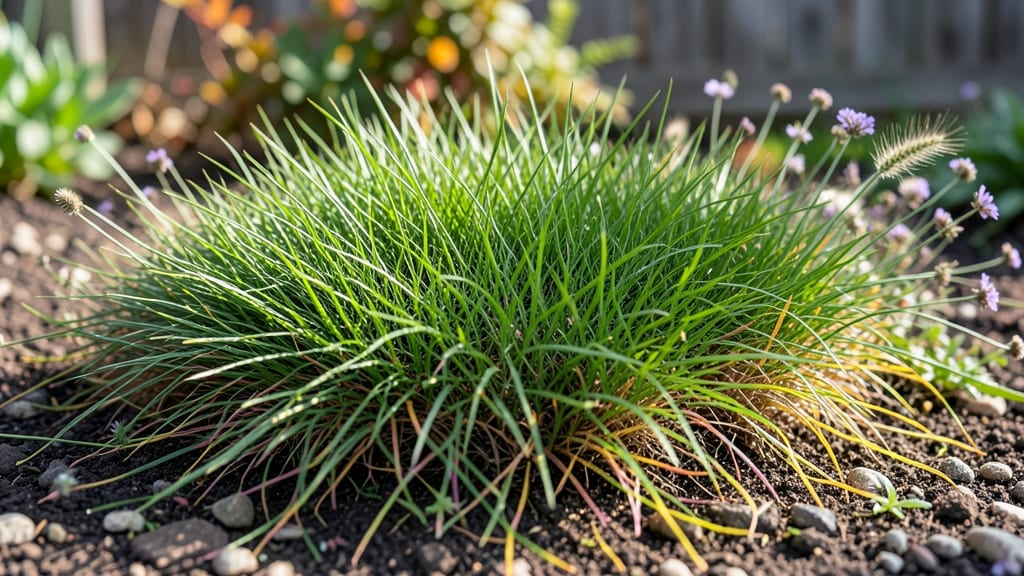
The invasive bermuda grass in my yard spreads like wildfire, choking out flowers and lawn in days—I’ve battled it for years, and this no-till method finally gave me control—without digging up my entire yard. 🌱 The secret lies in a targeted approach that smothers it fast, so you can reclaim your garden in just 24 hours.
Most people fail because they treat Bermuda like any other weed—spraying too late or not deep enough. But this method works because it cuts off its food source at the roots while keeping your soil intact.
You’ll see the first signs of retreat within hours, and by day three, your plants will breathe again. The best part? No tilling means no disturbing the soil, so your good plants stay undamaged. You’ll end up with a cleaner, healthier yard without the backbreaking work.
Plus, it’s safer for kids and pets once the treatment settles. Works in hot climates where Bermuda thrives, but even cooler zones can adapt the technique. Here’s exactly how to do it—no guesswork, just results.
How aggressive grass takes over
Invasive grass varieties like Cynodon dactylon (commonly known as Bermuda grass) don’t just spread by accident—they thrive because of specific biological and environmental advantages. Understanding these factors is key to controlling its rapid expansion. Here’s why it happens and how its traits make it such a formidable lawn invader.
Bermuda grass is a warm-season perennial with a stolon (above-ground runners) and rhizome (underground stems) network that allows it to spread aggressively. Its roots can grow 6–12 inches deep, accessing water and nutrients far below the soil surface.
This deep root system makes it drought-resistant and allows it to outcompete shallow-rooted grasses like fescue or ryegrass.
💡 Why it matters: Even a small patch can quickly dominate because each node on its stolons or rhizomes can produce new shoots. If left unchecked, a single Bermuda grass plant can expand up to 24 inches per season under ideal conditions.
Bermuda grass is a sun lover and goes dormant in cooler temperatures (below 50°F). However, in USDA Zones 7–10, it stays active year-round, especially in southern states like Florida, Texas, and California.
Its C4 photosynthetic pathway (a metabolic process) allows it to grow rapidly in high heat and full sunlight, while many other grasses struggle.
🔥 Key triggers:
- Heat (80°F+): Speeds up stolon and rhizome growth.
- Low humidity: Reduces competition from shade-tolerant weeds.
- Poor soil drainage: While it dislikes waterlogged conditions, it can still outcompete other grasses in well-drained, nutrient-rich soil.
Bermuda grass exploits bare spots, construction sites, or compacted lawns where other grasses fail to establish. Its seeds (if present) or existing runners fill gaps left by:
- 🔨 Foot traffic (e.g., golf courses, parks, high-use areas).
- 🏗️ Construction or landscaping disruptions (e.g., grading, sod removal).
- 🌱 Poor lawn maintenance (e.g., overwatering, mowing too short, or neglecting overseeding).
Once established, it crowds out native grasses by shading them out and depleting soil resources. Compacted soil also reduces competition from slower-growing species.
Unlike some weeds, Bermuda grass has few natural enemies in most lawns. While insects like grubs or chinch bugs may nibble on it, they rarely control its spread. Additionally:
- ✂️ Mowing alone won’t stop it: Cutting it short encourages more tillering (sprouting from the base).
- 🌿 Shade-tolerant grasses can’t compete: If you overseed with cool-season grasses (like Kentucky bluegrass), Bermuda will outgrow them in summer.
- 🧪 Herbicide resistance is rising: Some Bermuda strains have developed resistance to common pre-emergent herbicides like prodiamine or pendimethalin.
💡 Pro tip: If your lawn has more than 10% Bermuda grass, it’s likely already dominant—preventing its spread requires pre-emergent herbicides in early spring before it germinates.
While Bermuda grass is drought-tolerant, excessive watering can actually fuel its growth. Here’s how:
- Deep, infrequent watering (1–1.5 inches per week) encourages deep root growth, making it harder to kill.
- Frequent light watering keeps the soil surface moist, promoting stolon and rhizome elongation.
- Poor drainage can lead to anaerobic soil conditions, stressing other grasses while Bermuda thrives.
🌡️ Optimal control tip: Water early in the morning (before 10 AM) to reduce fungal diseases that Bermuda grass is susceptible to, like brown patch.
Quick Fixes for Stubborn Grass Spread
If your lawn is overrun by aggressive Bermuda grass, don’t panic—there are fast, effective ways to reclaim control without tilling. Below, we’ve mapped the most common causes of spread to practical, step-by-step solutions, plus prevention tips to keep it from creeping back.
Bermuda grass spreads via underground stems (rhizomes) and stolons, making it nearly impossible to eradicate with just mowing. To stop it in its tracks:
🍳 Step 1: Smother with a Heavy-Duty Pre-Emergent
- How: Apply a non-selective herbicide like glyphosate (e.g., Roundup) to kill existing growth before smothering.
- When: Early morning on a dry, wind-free day (follow label instructions).
- Pro Tip: 💡 Use a drop spreader for even coverage—missed spots = regrowth.
👨🍳 Step 2: Cover with Cardboard or Black Plastic (No-Till Method)
- How: Lay thick cardboard or black landscape fabric over treated areas, securing edges with soil or rocks.
- Duration: Leave for 4–6 weeks to block sunlight and starve roots.
- Alternative: Use biodegradable mulch (straw, wood chips) if plastic isn’t an option.
🥘 Step 3: Hand-Pull Remaining Roots (If Visible)
- How: After smothering, dig out any exposed rhizomes (they’ll be white and stringy).
- Tool Tip: A weeding knife or hori-hori works best for stubborn clumps.
If your grass is weak, Bermuda will take over fast. Strengthen your lawn to crowd it out:
🔪 Step 1: Overseed with a Dense, Fast-Growing Grass
- Best Options: Tall fescue, perennial ryegrass, or buffalo grass (native varieties outcompete Bermuda).
- How: Rake soil lightly, spread seed, and water lightly daily for 2 weeks.
- Pro Tip: ✨ Use a starter fertilizer (high in phosphorus) to help roots establish quickly.
⏰ Step 2: Adjust Mowing & Watering Habits
- Mow High: Keep grass at 3–4 inches to shade out Bermuda.
- Water Deeply: 1–1.5 inches per week (deep, infrequent watering encourages deep roots).
- Avoid Overwatering: Bermuda thrives in moisture—let your lawn dry slightly between waterings.
Bermuda goes dormant in cold weather, but if it’s still green in winter, it’s actively spreading. Break its cycle:
🎯 Step 1: Apply a Post-Emergent Herbicide in Early Fall
- Best Time: Late August–September (before Bermuda sets seed).
- Herbicide Pick: 2,4-D or dicamba (selective for broadleaf weeds but weakens Bermuda).
- For Tough Spots: Triclopyr (Garlon 4)—kills grass but requires careful application.
🔥 Step 2: Solarize Soil (For Extreme Cases)
- How: Cover bare soil with clear plastic for 6–8 weeks in peak summer heat (100°F+).
- Kills seeds and roots via heat buildup.
- Warning: Only works in hot climates—not effective in cooler regions.
Once you’ve won the battle, lock in those results with these habits:
- 🚫 Edge Your Lawn Regularly – Bermuda spreads via stolons; trim edges monthly with a string trimmer.
- 🌱 Plant Ground Covers – Clover, creeping thyme, or moss fill gaps Bermuda tries to invade.
- 💦 Irrigate Smartly – Bermuda needs lots of water; train your sprinklers to target only your desired grass.
- 🔄 Rotate Herbicides – If Bermuda returns, switch herbicide types (e.g., glyphosate → dicamba) to avoid resistance.
Final Note: Patience is key—Bermuda grass is tenacious, but with consistent smothering, seeding, and herbicide use, you’ll reclaim your lawn in 3–6 months. Start today, and enjoy a lush, Bermuda-free yard** by next season!
Frequently asked questions
How do I tell if I have invasive Bermuda grass vs. regular Bermuda?
Regular Bermuda grass is typically managed lawn grass with controlled growth, while invasive Bermuda spreads aggressively through stolons (above-ground runners) and rhizomes (underground stems). Look for dense, sprawling patches that crowd out other plants—this is a clear sign of invasion. Invasive Bermuda often appears thicker and more aggressive in areas where you didn’t intentionally plant it.
Can I kill invasive Bermuda grass without harming my other plants?
Yes! Use a targeted approach like spot-treating with glyphosate (e.g., Roundup) on dry, wind-free days, then smothering with cardboard or black plastic for 4–6 weeks. This blocks sunlight and starves the roots without disturbing nearby plants. For delicate gardens, try vinegar-based herbicides (5% acetic acid) for smaller patches—just apply carefully to avoid damaging desired plants.
Will mowing alone stop Bermuda grass from spreading?
No, mowing won’t eliminate Bermuda grass—it can even encourage more growth if you cut it too short (below 2 inches). Mowing alone removes only the top growth, leaving rhizomes and stolons intact to regenerate. For control, combine mowing with herbicides or smothering methods to break its growth cycle.
How long does it take to fully remove invasive Bermuda grass?
With consistent treatment, you’ll see visible results in 2–4 weeks, but full removal can take 3–6 months. The key is persistence—Bermuda grass has deep roots and spreads quickly. Use a combination of herbicides, smothering, and overseeding to crowd it out. Regular maintenance (like edging and monitoring) helps prevent regrowth long-term.
Is solarization effective for killing Bermuda grass in cooler climates?
Solarization (covering soil with clear plastic) works best in hot climates (100°F+) where soil temperatures rise enough to kill seeds and roots. In cooler regions, it’s less effective—Bermuda grass may survive or regrow from dormant rhizomes. For these areas, rely on herbicides or smothering methods instead. If you try solarization, extend the duration to 8+ weeks in peak summer.