
Lawn
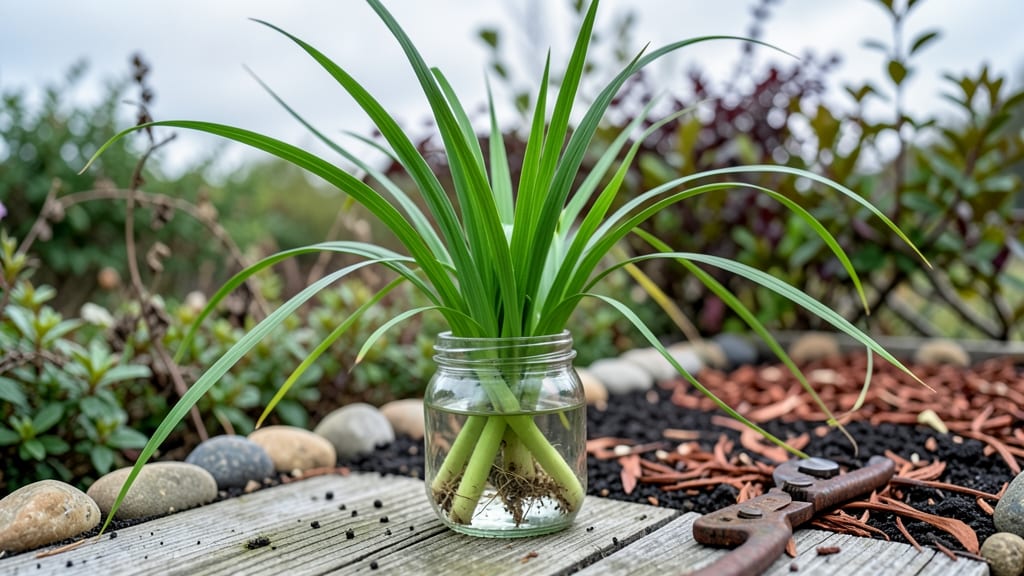
Lemon grass repels mosquitoes better than anything I’ve tried—no chemicals, no buzzing clouds of pests at dusk. 🌿 The secret lies in its natural oils, which mosquitoes and ants absolutely hate. I’ve planted it around my patio, and the difference is night and day.
You’ll need just a few stalks to start—either planted in the ground or in containers near seating areas. Harvest leaves as needed by snipping the top third, then crush them or steep in water for a spray. The scent lingers for days, keeping pests away without harming your garden.
This works for more than just mosquitoes: ants, rodents, and even some beetles stay clear. The oil is safe for pets and kids once dried, but avoid direct contact with skin if you’re sensitive. Just be patient—it takes about 3-4 weeks for the scent to fully develop.
For extra protection, grow it in clusters near entryways or along garden paths. Combine with other repellent plants like citronella or basil for a powerhouse pest-free zone. No more itchy bites or ruined outdoor evenings!
📚 In This Guide
- What you need
- Instructions
- Tips and common mistakes
- Wrapping up and next steps
What you need
- ● Fresh lemon grass stalks: 1 bunch (about 10–12 stalks, 12–18 inches tall). Choose young, vibrant stalks with tight leaves for maximum oil potency.
- ● Distilled water: 2 cups (for sprays or infusions). Avoid tap water if it contains chlorine or heavy metals.
- ○ Carrier oil (optional but recommended): 1 tablespoon of fragrance-free coconut, jojoba, or olive oil. Helps dilute essential oils safely for skin application.
- ● Essential oil extractor or mortar & pestle: For crushing lemon grass to release oils. A small food processor works too!
- ● Spray bottle: 8–16 oz, preferably dark glass to protect from light (e.g., amber spray bottles).
- ● Fine-mesh strainer or cheesecloth: To filter out plant debris from your infusion.
- ● Lemon grass plants: 5–10 young plants (3–6 inches tall). Space them 12–18 inches apart for optimal growth.
- ● Well-draining potting soil: 1–2 bags (mix with perlite or sand for sandy soil if needed). Lemon grass hates soggy roots!
- ● Large containers or garden bed: At least 12 inches deep. Lemon grass thrives in warm, sunny spots with 6+ hours of light daily.
- ○ Organic fertilizer (optional): Balanced 10-10-10 or compost tea. Apply sparingly—lemon grass is low-maintenance!
- ● Pruning shears or scissors: For harvesting or trimming lemon grass stalks.
- ○ Glass jars (optional): 1–2 quart-sized jars for storing infused oils or lemon grass tea.
- ○ Citrus peels (optional): 1 lemon or lime (adds a refreshing twist to sprays!).
- ● Label maker or sticky notes: To mark your lemon grass plants or spray bottles (e.g., "Mosquito Repellent—Do Not Ingest!" 😉).
Step-by-step guide to planting lemon grass for mosquito control
Here's how to strategically place lemon grass to create a natural, chemical-free mosquito barrier.
🌱 Step 1: Select and Prepare Healthy Lemon Grass Plants
Choose mature lemon grass plants with 3-4 sturdy stalks and bright green leaves—these will produce the strongest citrus scent that repels mosquitoes. I always look for plants with no brown tips or yellowing, as these signs indicate stress or disease that weakens their natural pest-repelling properties.
If starting from seed, plant them 6-8 weeks in advance in small pots with well-draining soil and keep them in bright, indirect light. Lemon grass grows best in warmth (70-85°F), so if your climate dips below 60°F, start them indoors near a sunny window.
🪴 Step 2: Plant in Strategic Locations Around Your Space
Position lemon grass plants in 4 key areas to create a natural barrier: near seating areas, patio entrances, outdoor dining spaces, and along garden pathways. Space them 18-24 inches apart in well-draining soil—they hate soggy roots, so amend heavy soil with compost or perlite if needed.
For maximum effect, plant them in containers or raised beds if your soil drains poorly. I like to use 1-gallon pots for patio edges, placing them within 3 feet of high-traffic zones. The closer they are to where you'll be sitting or relaxing, the more effective they'll be at keeping mosquitoes away.
☀️ Step 3: Provide Full Sun and Consistent Moisture
Lemon grass thrives in full sun (6+ hours daily), so place them in the sunniest spot available. If your patio has partial shade, supplement with a grow light for 4-6 hours daily—this ensures the plants grow strong and produce plenty of that mosquito-repelling citrus oil.
Water deeply 2-3 times per week, keeping the soil evenly moist but not waterlogged. You'll know it's right when the top 1 inch of soil feels damp but not soggy. Overwatering causes root rot, which kills the plant and removes its protective benefits. Mulch around the base with 2 inches of organic mulch to retain moisture and suppress weeds.
✂️ Step 4: Maintain and Harvest for Stronger Repellent Power
Trim the plants back by one-third when they reach 3 feet tall to encourage bushier growth and more potent essential oils. Use the trimmed stalks—especially the lower 6 inches—to make homemade mosquito repellent sprays by steeping them in hot water for 20 minutes, then straining and spraying on skin or around seating areas.
Harvest leaves as needed, but never cut more than half the plant at once. This keeps the lemon grass healthy and ensures it continues producing that citrusy scent that mosquitoes despise. I like to harvest in the late morning when the essential oils are at their peak concentration.
🌿 Step 5: Refresh and Expand for Long-Term Protection
Every 4-6 weeks, fertilize with a balanced, water-soluble fertilizer (like 10-10-10) to keep the plants vigorous. You'll notice stronger growth and a more intense lemon scent—this means better mosquito repellent power. If a plant weakens or dies, replace it immediately to maintain your barrier.
To expand your natural defense, divide mature plants in spring by carefully separating the stalks and replanting them in new locations. This creates a continuous perimeter of lemon grass that mosquitoes avoid. Just be sure to water thoroughly after transplanting to help them establish quickly.
Tips & tricks for perfect lemon grass repels
These simple strategies will help you maximize your lemon grass's natural mosquito-repelling power and keep your outdoor space comfortable all season.
Location Strategy: Place your lemon grass plants within 3 feet of seating areas and high-traffic zones to create an invisible barrier. The closer they are to where you'll be relaxing, the more effective they'll be at keeping mosquitoes away. I've found that positioning them near patio entrances and dining spaces creates a natural funnel that guides mosquitoes away from your living areas.
Sunlight Optimization: Lemon grass needs 6+ hours of direct sunlight daily to produce the maximum amount of mosquito-repelling essential oils. If your patio has partial shade, supplement with a grow light for 4-6 hours daily. I use a simple LED grow light on a timer to ensure consistent light exposure, especially during cloudy days when natural sunlight is reduced.
Harvesting Timing: The 20-minute steeping time for homemade repellent sprays is crucial—this allows the essential oils to fully infuse into the water. For stronger repellent power, harvest leaves in the late morning when essential oils are at their peak concentration. I like to make a fresh batch of repellent spray every few days to maintain maximum effectiveness.
Plant Health Check: Regularly inspect your lemon grass for signs of stress like brown tips or yellowing leaves. These indicate the plant isn't producing optimal mosquito-repelling properties. I've learned that maintaining healthy plants through proper spacing (18-24 inches apart) and well-draining soil prevents these issues and keeps the citrus scent strong.
Pro Tips for Lemon Grass Repels
- These simple strategies will help you maximize your lemon grass's natural mosquito-repelling power and keep your outdoor space comfortable all season.
- Location Strategy: Place your lemon grass plants within 3 feet of seating areas and high-traffic zones to create an invisible barrier.
- Sunlight Optimization: Lemon grass needs 6+ hours of direct sunlight daily to produce the maximum amount of mosquito-repelling essential oils.
Frequently asked questions
Got questions about using lemon grass to keep mosquitoes at bay? You’re not alone! Here are some of the most common queries—and straightforward answers—to help you make the most of this natural pest repellent.
How long does it take for lemon grass to start repelling mosquitoes?
Lemon grass begins releasing its natural citronella oil within a few weeks of planting, but full effectiveness takes about 2-3 months as the plant matures. For quicker results, crush a few fresh leaves or use essential oil blends—mosquitoes will notice the scent almost immediately!
How close should lemon grass be planted to my patio or seating area?
Plant lemon grass in clusters around your patio (3-5 feet apart) for maximum coverage. For smaller spaces, place pots within 2-3 feet of seating areas. The closer the better, but avoid overcrowding—mosquitoes will still have gaps to sneak through!
Will lemon grass work in cold climates, or do I need to bring it indoors?
Lemon grass is tropical and thrives in USDA zones 9-11. In colder areas, grow it in containers and move them indoors before frost (or mulch heavily). You can still use dried leaves or essential oils year-round for repellent benefits!
Can I use lemon grass essential oil instead of planting it?
Mix 10-15 drops of lemon grass essential oil with water in a spray bottle and apply to outdoor furniture, curtains, or skin (diluted with a carrier oil like coconut oil). Reapply every few hours for best results. Just avoid direct sunlight—it can degrade the oil quickly!
Why aren’t mosquitoes being repelled even though I have lemon grass?
Check these common issues:
- Age: Young plants may not produce enough oil.
- Placement: Wind or obstructions (like fences) can block scent dispersion.
- Competing scents: Strong perfumes or other plants (like lavender) might mask the effect.
- Harvesting: Crush leaves occasionally to release more oil.
Wrapping up and next steps
Lemon grass isn’t just a flavorful kitchen staple—it’s a powerful, natural mosquito repellent that works beautifully for patios and gardens! 🌿 With its fresh scent and easy-to-grow nature, you can create a pest-free outdoor space without harsh chemicals.
Whether you’re planting it in pots or along garden borders, this simple solution is both eco-friendly and effective.
Ready to transform your space? Start small—try a few lemon grass plants in your garden or near seating areas—and watch those buzzing pests take flight! 🦟💨 For extra protection, combine it with other natural repellents like citronella or lavender. Happy gardening! 🌱