
Size
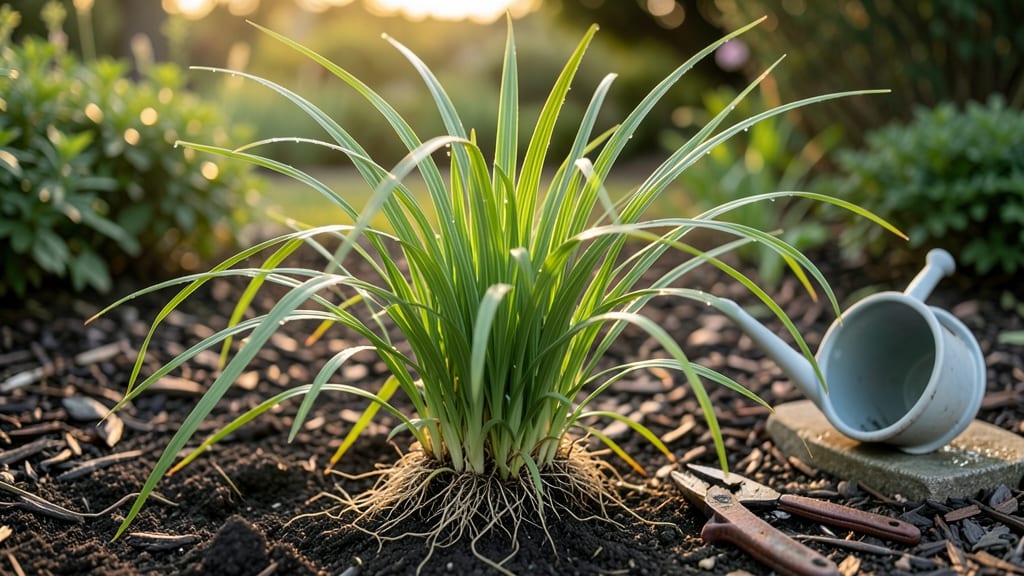
Lemon grass grows tall quickly—typically between 3 and 6 feet at maturity—so knowing its height helps you plan spacing and containers before planting.
If you're dreaming of adding fragrant, culinary lemon grass to your garden but wondering how much space it’ll need, you’re not alone—many gardeners overlook its rapid growth until it’s too late.
This tropical grass thrives in warm climates like USDA Zone 6a and beyond, where it can reach its full height in just one growing season. In cooler areas, it may stay shorter unless you bring it indoors or protect it from frost.
Below, I’ll break down how to manage its size—whether you’re growing it in a pot, a raised bed, or your backyard—plus when to harvest for the best flavor and aroma.


Lemon grass mature height: how tall it grows in different conditions
Lemon grass (Citronella) is a fast-growing tropical plant that can reach impressive heights—typically between 3 and 6 feet under ideal conditions. Its height varies based on varieties, sunlight exposure, and soil quality, making it adaptable for both garden beds and containers.
Understanding these factors helps you plan spacing and pruning strategies to keep your plants healthy and productive.
In my experience, standard varieties like Citronella grass grow the tallest, often reaching 5–6 feet when given plenty of sun and nutrients. Dwarf varieties, however, stay shorter—around 2–3 feet—making them perfect for small spaces or pots.
The right growing conditions can even influence whether your lemon grass leans toward the lower or upper end of this range.
Here’s a quick breakdown of how lemon grass height compares to other tropical plants you might grow, like ginger or turmeric. While ginger and turmeric stay closer to the ground (1–2 feet), lemon grass towers above them, making it a standout addition to tropical-themed gardens or culinary herb patches.
🌱
If you’re growing lemon grass in containers, expect it to stay shorter—around 3–4 feet—unless you use large pots (at least 12–18 inches deep). Root-bound plants will focus energy on leaf production rather than height, so upgrading pots every few years keeps them thriving.
In garden beds, however, they’ll stretch toward the sky if given enough space.
One of the most common mistakes I see is planting lemon grass too close to other herbs or vegetables. Since it can spread up to 2 feet wide, give each plant at least 18–24 inches of space to prevent competition.
In tight spaces, pruning the outer stalks encourages a fuller, more compact growth habit.
For those in cooler climates, winter growth slows dramatically, and plants may shrink back to 1–2 feet until spring. In USDA zones 9–11, however, lemon grass grows year-round, reaching its full height with minimal seasonal changes.
Mulching in winter helps protect the roots and maintains some height even in chilly months.
Lemon grass’s height also affects its harvesting strategy. Taller stalks (5+ feet) are ideal for essential oil extraction, while shorter, bushier plants (3–4 feet) yield more tender leaves for cooking.
If you’re growing it primarily for the kitchen, aim for 3–4 feet by pruning regularly and harvesting outer stalks first to encourage regrowth.
🌿
Comparing lemon grass to other tropical plants like banana trees (which can reach 15–20 feet) or ginger (1–2 feet), it strikes a balance between manageable size and dramatic presence.
Its height makes it a great backdrop for shorter herbs like basil or cilantro, adding both fragrance and visual interest to your garden layout.
Ready to grow your own? Start with a sunny spot, well-draining soil, and a plan for regular harvesting. With the right care, your lemon grass will not only reach its full height potential but also become a fragrant, productive staple in your garden.
Best growing zones for lemon grass: where it thrives by climate
Lemon grass (Cymbopogon citratus) thrives best in USDA hardiness zones 9–11, where warm temperatures and long growing seasons create ideal conditions. In these zones, it grows 3–6 feet tall and produces fragrant stalks year-round.
If you live outside this range, don’t worry—with the right care, you can still grow lemon grass in cooler climates!
For gardeners in zones 8 or cooler, lemon grass can be grown as an annual or overwintered indoors. In zone 10 and above, it becomes a perennial, returning every year with minimal effort. The key to success lies in understanding your local climate and adjusting care accordingly.
Here’s how lemon grass performs across different zones based on temperature tolerance and seasonal care needs:
In zones 9–11, lemon grass grows aggressively, reaching its full 4–6 feet height with minimal care. The plant thrives in humid, subtropical climates, where temperatures stay above 50°F year-round. In these zones, you can harvest fresh stalks year-round, making it a fantastic addition to your kitchen garden.
For those in zones 8 or cooler, treat lemon grass as a tender perennial. Plant it in large containers so you can move it indoors before the first frost.
In zone 7, it may survive mild winters if mulched heavily, but most gardeners prefer to bring potted plants inside. A sunny windowsill or grow light keeps it alive until spring planting.
In zone 10 and above, lemon grass becomes a low-maintenance perennial. It spreads quickly, so give it 3–4 feet of space in garden beds or 12-inch-deep containers for root development. Mulch with straw or wood chips to retain moisture and suppress weeds, especially during dry spells.
No matter your zone, consistent moisture is key. Lemon grass hates dry soil but also waterlogged roots. In containers, water when the top inch of soil feels dry, and in garden beds, aim for 1–2 inches of water per week.
Fertilize lightly with balanced 10-10-10 every 6–8 weeks during the growing season to encourage lush growth.
With the right zone and care, your lemon grass will reward you with aromatic stalks for cooking, teas, or essential oils—no matter where you live! Start small, experiment with containers, and enjoy the tropical vibes year-round.