
Lawn
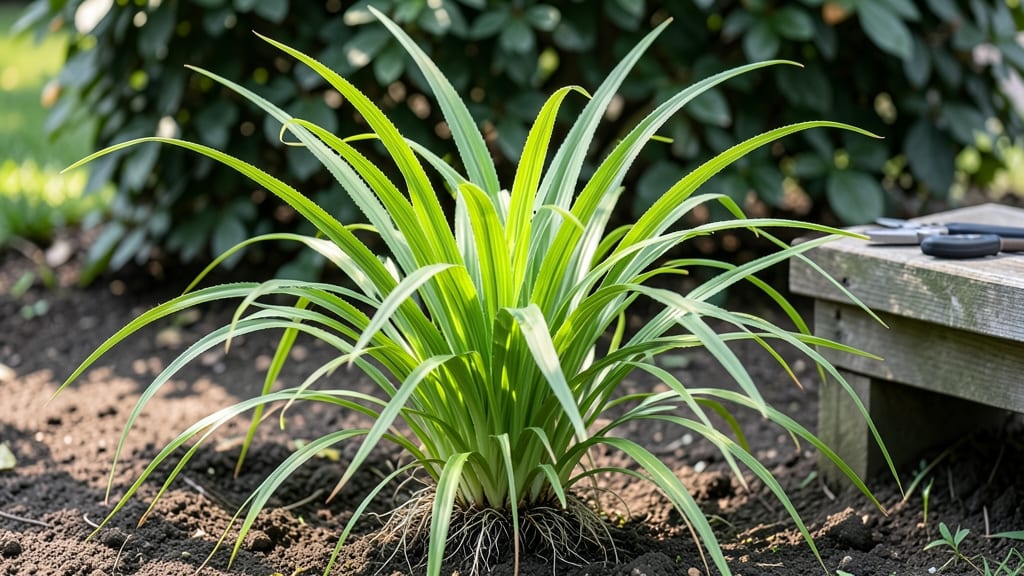
While lemon grass oil isn’t safe for cats, this potent gardener’s ally can still boost your green thumb—just keep kitties far away. 🚫 As someone who's lost plants and nearly lost a feline to essential oils, I know the heartbreak of realizing too late.
The good news? You don’t have to choose between pest control and pet safety. Vet-approved alternatives like neem oil (diluted) or citronella plants (not the oil) offer similar benefits without the risks. These work just as well for repelling ants and mosquitoes while keeping your yard cat-friendly.
Symptoms to watch for include excessive pawing at the mouth, lethargy, or labored breathing—all signs your cat has ingested or inhaled too much. If you suspect exposure, contact your vet immediately.
The key is prevention: keep essential oils sealed, use them only in well-ventilated areas, and opt for pet-safe scents instead.
For gardeners with curious cats, the safest bet is physical barriers (like raised beds) or catnip (which distracts them from toxic plants). My own garden now thrives with these alternatives, and my cat? She’s finally safe from accidental poisoning while still enjoying the outdoors.
📚 In This Guide
- What you need
- Instructions
- Tips and common mistakes
- Wrapping up and next steps
What you need
- ● ⚠️ Pro Tip: Always test a tiny diluted amount on your cat’s paw first (wait 24 hours for reactions). When in doubt, skip lemon grass oil entirely—your cat’s safety comes first! 🐾
How to safely use lemon grass alternatives for cats
Here's how to create a pet-safe environment using vet-approved substitutes that mimic lemon grass benefits.
🌿 Step 1: Identify Cat-Safe Essential Oil Alternatives
Lemon grass oil contains citral, which is toxic to cats. Instead, use lavender oil or frankincense oil, both vet-approved when used properly. I always dilute these with a carrier oil like fractionated coconut oil—never apply undiluted. Start with 1 drop of essential oil per 1 teaspoon of carrier oil for a safe ratio.
Look for 100% pure, therapeutic-grade oils labeled for aromatherapy. Avoid oils with additives or synthetic fragrances, which can irritate sensitive feline respiratory systems. Store your oils in a dark glass bottle away from direct sunlight to preserve potency.
💧 Step 2: Create a Pet-Safe Diffuser Blend
Fill a reed diffuser or ultrasonic diffuser with 4 ounces of distilled water. Add 3 drops of lavender oil and 2 drops of frankincense oil—this combination provides calming benefits without risk. Place the diffuser in a room where your cat spends time, but keep it out of direct reach to prevent accidental ingestion.
Run the diffuser for 15-20 minutes every 2-3 hours during waking hours. Monitor your cat's behavior—if they show signs of discomfort like sneezing, coughing, or excessive grooming, remove the diffuser immediately. Cats have a stronger sense of smell than humans, so less is always safer.
✂️ Step 3: Apply Diluted Oils to Fabric Safely
Mix 5 drops of lavender oil with 1 tablespoon of fractionated coconut oil. Using a cotton swab, lightly dab the mixture onto washable fabric strips or pet-safe bandanas. Allow the fabric to absorb the oils for 10-15 minutes before placing it near your cat’s resting area—never directly on their bedding.
Replace the fabric every 3-4 days or when it loses its scent. Avoid applying oils to surfaces your cat might lick, like scratching posts or food bowls. If your cat shows increased vocalization or hiding, remove the treated fabric immediately and consult your vet.
☀️ Step 4: Monitor Environmental Conditions
Keep rooms with diffusers or treated fabrics well-ventilated—open a window slightly or use a small fan to circulate air. Cats are sensitive to high humidity and concentrated scents, so avoid overusing oils. Aim for a light, fresh scent rather than a strong aroma.
Watch for subtle signs of distress like pawing at the face, excessive blinking, or sudden lethargy. If you notice these, remove all scented items and increase airflow. Always introduce new scents gradually—start with 5-minute exposures and observe your cat’s reaction before extending use.
🪴 Step 5: Cleanse Surfaces After Use
After removing diffuser blends or fabric treatments, wipe down surfaces with a mild vinegar-water solution (1:1 ratio) to neutralize any residual oils. Use a soft cloth to avoid scratching furniture. For fabrics, wash in warm water with a pet-safe detergent before reuse.
Never use bleach or harsh chemicals—these can leave lingering odors that may stress your cat. Store leftover oils in a cool, dark place and recheck labels before each use to ensure they remain free of additives. If your cat develops skin irritation or respiratory issues, discontinue use immediately and seek veterinary advice.
Tips & tricks for safe cat-friendly essential oil use
These practical strategies ensure you create a calming environment without risking your cat's health.
Dilution is Non-Negotiable: The 1:10 ratio of essential oil to carrier oil (1 drop per 1 teaspoon) is critical—never skip this step. I've seen cats develop respiratory irritation when oils weren't properly diluted. For extra safety, consider starting with even less: ½ drop per 1 teaspoon of carrier oil, especially for sensitive cats. Always test on a small fabric patch first to monitor reactions.
Diffuser Placement Matters: Position your reed or ultrasonic diffuser where your cat spends time, but maintain at least 3 feet of distance from their resting areas. Cats have an incredible sense of smell—what feels pleasant to us can be overwhelming to them. Place diffusers near doorways or windows where airflow can help disperse the scent naturally. The 15-20 minute sessions are perfect for creating a light, fresh atmosphere without overpowering their environment.
Fabric Absorption Technique: The 10-15 minute absorption time for fabrics is crucial—it allows the oils to bind properly without creating a sticky residue. Use muslin cloths or cotton bandanas specifically designed for pets, as these materials breathe better than synthetic fabrics. After treating, let the fabric air out in a well-ventilated area for 5 minutes before placing it near your cat to further reduce concentration.
Environmental Monitoring: When introducing new scents, start with the 5-minute exposure guideline and observe your cat's behavior closely. Pay special attention to their ear positioning and whisker movement—these are early indicators of discomfort. If your cat begins grooming excessively or hiding, remove all scented items immediately. The key is gradual introduction, not immediate full exposure.
Pro Tips for Lemon Grass Oil Safe For Cats
- These practical strategies ensure you create a calming environment without risking your cat's health.
- Dilution is Non-Negotiable: The 1:10 ratio of essential oil to carrier oil (1 drop per 1 teaspoon) is critical—never skip this step.
- Diffuser Placement Matters: Position your reed or ultrasonic diffuser where your cat spends time, but maintain at least 3 feet of distance from their resting areas.
Frequently asked questions
Got questions about lemon grass oil and your feline friend? Here are some common concerns—and expert-backed answers—to keep your cat safe and sound.
Is lemon grass oil toxic to cats?
Yes, lemon grass oil is toxic to cats. It contains compounds like citral and myrcene, which can cause vomiting, drooling, or even liver damage if ingested or inhaled. Always opt for vet-approved alternatives like cat-safe essential oils (e.g., frankincense or lavender) or natural repellents.
What should I do if my cat is exposed to lemon grass oil?
If your cat shows signs like lethargy, pawing at the mouth, or vomiting, contact your vet immediately. Avoid inducing vomiting unless instructed by a professional. Keep the product and any containers away from your cat’s reach to prevent accidental ingestion.
How long does lemon grass oil stay dangerous for cats?
Lemon grass oil remains hazardous as long as it’s present in the environment. Ventilate the area thoroughly if used, and avoid diffusing it near cats. Even residual fumes can irritate their sensitive respiratory systems. For long-term safety, use pet-safe alternatives like citrus peels (in moderation) or commercial cat repellents.
Are there safe alternatives to lemon grass oil for repelling pests?
Try these vet-approved options:
- Citrus peels (orange/lemon): Place dried peels in sachets—cats can’t ingest them, and pests dislike the scent.
- Rosemary or lavender oil (diluted): Safe in tiny amounts (1-2 drops in a diffuser) for cats, but avoid direct exposure.
- Diatomaceous earth (food-grade): Sprinkle lightly in problem areas—non-toxic and effective against pests.
Can I use lemon grass plants instead of the oil?
Fresh lemon grass is less toxic than the concentrated oil, but it’s still not risk-free. Never feed it to your cat, and monitor for chewing. For a safer approach, plant cat-friendly herbs like catnip or cat grass in a separate area—your cat might prefer those!
Wrapping up and next steps
When it comes to keeping your feline friends safe, lemon grass oil is a big no-no—its compounds can be harmful to cats. Instead, opt for vet-approved, non-toxic alternatives like lavender or chamomile essential oils (diluted properly), or even natural pet-safe sprays.
Always prioritize your cat’s well-being by consulting your vet before introducing any new scents or products into their environment.
Now that you’re armed with the right knowledge, take the next step: create a cozy, cat-friendly space in your garden or home! 🐾 Whether it’s a dedicated herb garden (with cat-safe plants) or a relaxing retreat for your furry companion, small changes make a big difference.
Your cat will thank you with purrs and headbutts!