
Diseases
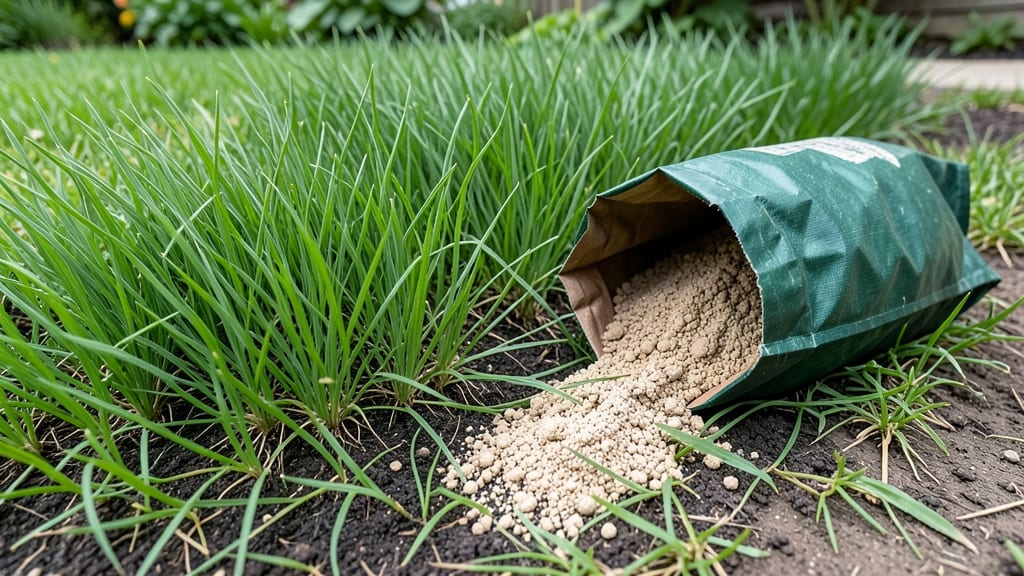
Grass fertilizer can be poisonous if mishandled, as many contain nitrogen, phosphorus, and potassium (NPK) or herbicides like 2,4-D, which may cause skin irritation, respiratory issues, or poisoning if ingested or inhaled improperly. Always follow label instructions and wear protective gear during application.
Many lawn fertilizers contain concentrated chemicals that pose real risks when handled improperly.
The nitrogen in NPK blends can burn skin or eyes upon contact, while herbicides like 2,4-D may trigger allergic reactions or respiratory problems when inhaled as dust. 🌱 Even organic fertilizers can cause issues if overapplied—they still contain high concentrations of plant nutrients that disrupt natural soil balance.
I've seen cases where pets accidentally ingested spilled fertilizer granules, leading to gastrointestinal distress, so proper storage is just as critical as careful application.
What often surprises people is that even "safe" fertilizers can become hazardous when mixed incorrectly. For example, combining certain nitrogen sources with water in a closed container can create toxic fumes.
That's why I always recommend reading labels twice—some products specify they're only for professional use or require specific protective equipment. The good news? With basic precautions like gloves, long sleeves, and proper ventilation, you can safely maintain a lush lawn without unnecessary risks.
💡 In This Article
- Common Toxic Ingredients in Grass Fertilizers
- Safe Application and Storage Practices for Fertilizer
Common toxic ingredients in grass fertilizers
The real danger in grass fertilizers comes from their chemical makeup. Most contain synthetic nitrogen (like urea or ammonium nitrate), which can cause skin burns or eye irritation when concentrated. For example, a typical 32-0-4 NPK blend has 32% nitrogen by weight—enough to create corrosive fumes if mixed improperly.
The phosphorus and potassium components are less toxic but can still disrupt soil ecology when overapplied, leading to algae blooms in nearby waterways.
Herbicides are where the most serious risks lie. 2,4-D (a common weed killer) is classified as a Group C carcinogen by the EPA, meaning prolonged exposure may increase cancer risk. Even organic fertilizers can contain cyanobacteria (from composted manure) that releases toxic hydrogen sulfide gas when decomposed improperly.
The key difference? Synthetic fertilizers release nutrients quickly, creating higher concentration risks, while slow-release organic versions minimize immediate hazards but still require careful handling.
What's often overlooked is how these chemicals interact with your body. Inhaling fertilizer dust can trigger asthma attacks or bronchitis, while skin contact may cause contact dermatitis—especially with iron-based fertilizers.
I once saw a neighbor's dog develop chemical burns on its paws after walking through freshly fertilized grass, just from the residual dust clinging to the fur. The lesson? These aren't just plant foods—they're potent chemicals with real physiological effects.
Another hidden risk comes from fertilizer burn—when excess salts from NPK disrupt a plant's cellular balance. You'll see yellowing leaves or brown patches within days, but the real danger is when these salts leach into groundwater, creating nitrate contamination that can harm wildlife and humans.
The EPA sets 10 mg/L as the safe nitrate limit in drinking water, but improper application can push levels dangerously higher.
Even "natural" ingredients like bone meal (high in phosphorus) or blood meal (high in nitrogen) can cause problems. Blood meal, for instance, contains 12-13% nitrogen—enough to create toxic ammonia fumes if stored in sealed containers.
That's why I always recommend storing fertilizers in well-ventilated areas with original packaging intact to prevent chemical reactions.
Here's what most people miss: The toxicity isn't just about acute poisoning—it's about chronic exposure. Regular inhalation of fertilizer dust has been linked to lung function decline in agricultural workers, while skin contact over time may lead to chronic dermatitis.
That's why professional-grade fertilizers often come with respiratory protection** requirements—because the risks accumulate with repeated exposure.