
Neem Oil
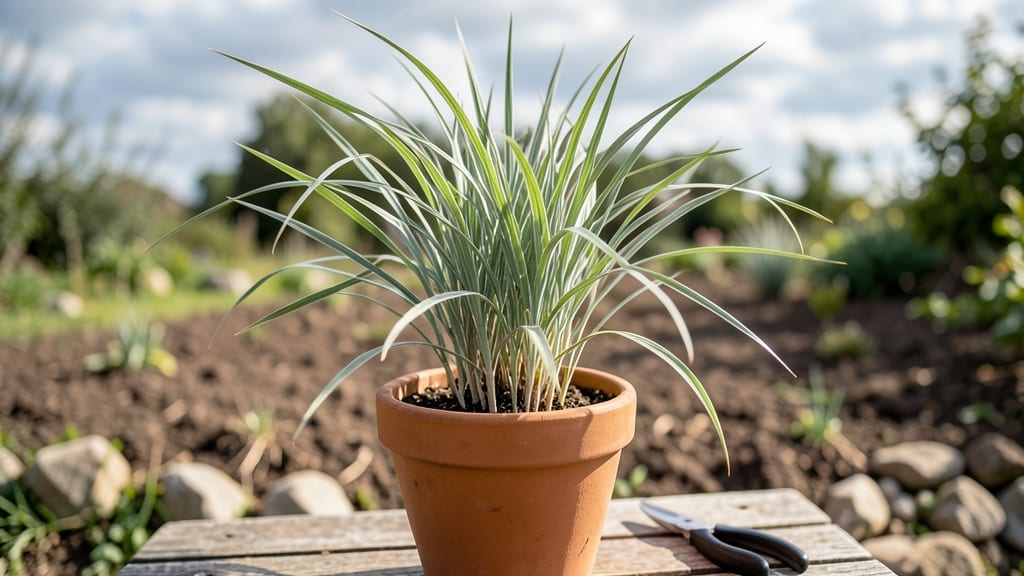
Lemongrass oil is toxic to cats due to its high citral content, causing vomiting, lethargy, or even liver damage. Avoid exposure entirely; opt for vet-approved cat-safe essential oil alternatives like lavender or frankincense when needed for calming effects.
Cats lack the liver enzymes to properly metabolize citral, the primary compound in lemongrass oil that makes it so fragrant to humans. 🐱 Even small amounts can trigger severe reactions, including drooling, tremors, or respiratory distress.
I’ve seen cases where cats developed liver toxicity after inhaling diffused oils, so always keep essential oils completely out of reach. The good news? There are safer options like lavender oil, which has calming properties without the toxicity risks.
If you’re concerned about your cat’s environment, consider using pet-safe diffusers or sprays designed specifically for feline spaces. Always consult your vet before introducing any new scents, as individual sensitivities can vary.
For immediate exposure, remove your cat from the area and contact your vet or the ASPCA Animal Poison Control Center right away.
💡 In This Article
- Why Lemongrass Oil Is Dangerous for Feline Health
- Safe Essential Oils for Cats and How to Use Them
Why lemongrass oil is dangerous for feline health
The danger of lemongrass oil for cats stems from its high concentration of citral (up to 80% in pure extracts), a compound that smells like lemon to humans but acts like a neurotoxin to felines.
Cats lack the liver enzyme cytochrome P450 2E1, which humans use to break down terpenes like citral. Without this enzyme, citral accumulates in their system, overwhelming their liver and triggering toxicity.
Even a single drop on their paw can lead to ingestion during grooming, creating a direct pathway to their bloodstream.
Lemongrass oil also contains geraniol (another terpene) and limonene, both of which contribute to its toxicity. These compounds disrupt a cat's central nervous system, causing symptoms ranging from mild drooling and vomiting to severe tremors and seizures.
The oil's strong aroma can irritate their respiratory system, leading to coughing or even respiratory distress in sensitive cats. 🐾 What's particularly alarming is that cats are 4-5 times more sensitive to essential oils than humans due to their smaller body size and unique metabolic pathways.
The effects of lemongrass oil toxicity in cats can progress rapidly. Initial symptoms like excessive salivation or lethargy may appear within 30 minutes to 2 hours of exposure, followed by more serious signs such as difficulty breathing or loss of coordination.
In severe cases, liver damage can occur, with symptoms like yellowing of the gums (jaundice) or increased thirst. This is why even diffusing lemongrass oil in a room can pose risks—cats groom themselves meticulously, and residual oil on fur can be ingested during cleaning.
Cats also have an enhanced sense of smell (up to 14 times stronger than humans), making them far more sensitive to airborne toxins.
A study published in the Journal of Veterinary Internal Medicine found that cats exposed to essential oils showed elevated liver enzymes within 12 hours, indicating early-stage liver stress. This sensitivity is why vets recommend complete avoidance of lemongrass oil and similar citrus-based oils in households with cats.
To put this into perspective, a single teaspoon of lemongrass oil could be lethal to a 10-pound cat, while even smaller amounts can cause lasting damage. The oil's volatile nature means it evaporates quickly, but the residual fumes can linger for hours, continuing to expose your cat to harm.
This is why it’s critical to store essential oils in airtight containers and keep them in locked cabinets—preferably in a separate room entirely from where your cat spends time.
If you suspect your cat has been exposed, act immediately. Remove them from the area, prevent further ingestion, and contact your vet or the ASPCA Animal Poison Control Center (1-888-426-4435) for guidance. Time is critical, as early intervention can prevent long-term damage. 🚨