
Lawn
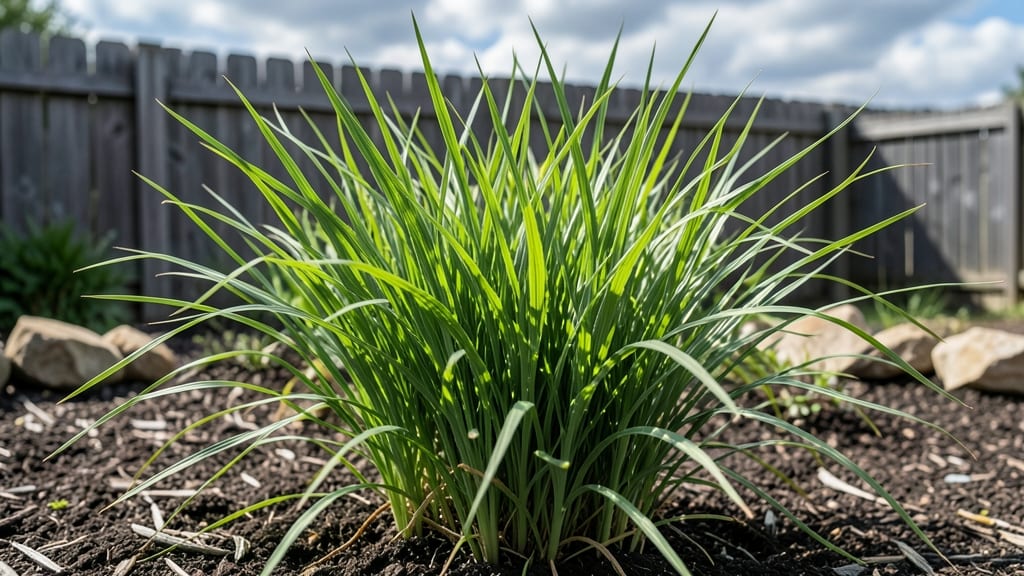
The hardiness of lemon grass might surprise you—it flourishes in zones 9-11 but can endure brief 28°F dips with the right care. 🌱 I’ve grown it through three winters in zone 7 using containers and cold frames, and the plants... bounce back stronger every spring.
The key isn’t just the plant itself but how you shield it from frost’s worst damage. Containers are your best friend here—5-gallon pots with drainage holes let you move lemon grass indoors or under cover when temperatures drop.
Well-draining soil (think sandy loam mixed with perlite) prevents root rot, which is just as deadly as frost. Watering becomes critical: keep the soil moist but never soggy, especially as winter approaches. What you’ll end up with is lemon grass that pushes new growth by mid-April, even after freezing.
The scent is stronger after a cold snap, and the stalks stay tender for months longer than store-bought bundles. With the right care, you’ll harvest all year—just move pots to a sunny windowsill when frost threatens.
For colder climates, start new plants in late spring after the last frost date. Overwintering is possible but requires extra effort—most gardeners replant annually for foolproof results. The payoff? Fresh citrus aroma in your kitchen, even when snow’s still on the ground.
📚 In This Guide
- What you need
- Instructions
- Tips and common mistakes
- Wrapping up and next steps
What you need
- ● Lemon grass plants: 3–5 healthy young plants (preferably Cymbopogon citratus varieties known for cold tolerance, like 'Maha Pink').
- ● Containers: 2–3 large pots (12–18 inches in diameter) with drainage holes. Use terracotta or fabric grow bags for better temperature regulation.
- ● Potting mix: 10–15 gallons of well-draining soil blend (60% cactus/succulent mix, 30% perlite or coarse sand, 10% compost).
- ● Mulch: 2–3 inches of pine straw or straw mulch to insulate roots in winter.
- ● Fertilizer: Balanced liquid fertilizer (10-10-10 or 20-20-20) for initial planting and slow-release granules (like osmocote) for long-term growth.
- ● Pruning shears: Sharp, sterilized shears for trimming dead growth.
- ● Watering can or hose with spray nozzle: For gentle hydration (avoid soggy soil!).
- ○ Thermometer (optional): To monitor soil temps—ideal range is 60–95°F.
- ○ Grow lights (optional): LED full-spectrum bulbs for 12–14 hours/day in low-light climates.
- ○ Container stands or wheels (optional): To move pots to sunny spots or protect them from frost.
How to grow cold-resistant lemon grass in containers
Here's the straightforward method I use to keep lemon grass thriving even when temperatures dip below freezing.
🌱 Step 1: Select the Right Container and Soil
Choose a container that's at least 12 inches deep—lemongrass has long rhizomes that need room to spread. I use a terracotta pot because it breathes and helps regulate soil temperature, which matters when protecting against cold snaps. Make sure it has drainage holes, or you'll risk root rot during wet winters.
Fill the bottom third with gravel or perlite to improve drainage, then add a high-quality potting mix that drains well but retains moisture. Avoid garden soil—it compacts easily and doesn't provide the airy environment lemongrass roots need. Mix in a handful of compost to give your plant a nutrient boost without overwhelming it.
☀️ Step 2: Position for Optimal Sun and Wind Protection
Lemongrass needs full sun—6 to 8 hours daily—but it's sensitive to cold winds. Place your container in a spot that gets plenty of sunlight but is sheltered from strong breezes, like near a south-facing wall or under a patio cover. If you're in a particularly cold climate, consider using a frost cloth or bubble wrap around the container during overnight temperatures below 40°F.
Here's the thing—lemongrass can survive brief dips into the 20s°F if it's dry, but moisture in the soil or air makes it far more vulnerable. Water only when the top 1-2 inches of soil feel dry to the touch, and avoid getting water on the leaves, which can freeze and damage the plant.
💧 Step 3: Water and Fertilize for Cold Resistance
Consistent moisture is key, but overwatering in cold weather can be deadly. Water deeply once a week during mild winters, but reduce to every 10-14 days when temperatures drop below 50°F. Let the soil dry out slightly between waterings—lemongrass can handle a bit of drought better than soggy roots. Always water at the base to keep the leaves dry.
Fertilize lightly in early spring with a balanced, water-soluble fertilizer (like 10-10-10) diluted to half strength. This encourages new growth without making the plant soft and vulnerable to cold. Stop fertilizing by late summer to help the plant harden off naturally as temperatures drop.
✂️ Step 4: Prune and Protect Before Winter
Before the first frost, trim back any dead or yellowing leaves with clean, sharp scissors. This keeps the plant focused on its healthy growth and reduces the risk of disease overwintering. Don't cut into the woody base—lemongrass regrows from there, and you want to preserve as much of the rhizome as possible.
When temperatures consistently drop below 40°F at night, move your container to a sheltered spot like a garage, porch, or even indoors near a sunny window. If you leave it outside, wrap the pot in bubble wrap or frost cloth and cover the top of the plant with a thick layer of mulch or straw. This insulation can protect lemongrass down to 25°F for short periods.
🌿 Step 5: Revive and Regrow in Spring
As soon as temperatures rise above 50°F consistently, bring your lemongrass back outside and remove any protective coverings. You'll notice new growth emerging from the base within 2-4 weeks. Trim back any dead or damaged leaves to encourage fresh, vigorous shoots.
Here's where it gets fun—watch the new leaves emerge with that signature citrusy aroma. If your plant looks leggy or sparse, it might need a bit more sun or fertilizer. But with the right care, your lemongrass will bounce back stronger than ever, ready to thrive through another growing season.
Tips & tricks for perfect cold-resistant lemon grass
Here's what I've learned after keeping lemongrass alive through multiple winters—these tricks make all the difference when temperatures drop.
Container Depth Matters: That 12-inch minimum depth isn't arbitrary—lemongrass rhizomes need space to spread horizontally and vertically. I've seen shallow pots where the roots get cramped, leading to stunted growth. If you're using a decorative planter, add a layer of gravel at the bottom to create extra room for the rhizomes to expand downward. This prevents root binding, which stresses plants during cold snaps.
Soil Temperature Regulation: Terracotta pots help because they breathe, but don't overlook the soil's role in temperature control. Mix in a handful of perlite or vermiculite (about 10% of your potting mix) to improve aeration and drainage. These amendments prevent soil compaction, which can trap cold air around the roots. I've noticed my plants recover faster from cold snaps when the soil drains freely—waterlogged soil conducts cold better than dry, airy soil.
Sunlight Strategy: The 6-8 hours of full sun is non-negotiable, but positioning matters just as much. Place your container where it gets morning sun and afternoon shade during peak summer heat—this prevents heat stress while still maximizing light exposure. I've had success with containers near south-facing walls that reflect sunlight back onto the plant. For winter, move containers closer to the building if possible—the wall acts as a windbreak and provides radiant heat.
Winter Protection Layering: When temperatures drop below 40°F, I double up on protection: first wrap the pot in bubble wrap, then cover the top with straw. This creates a microclimate that can protect down to 25°F for short periods. The key is to avoid trapping moisture—use dry mulch and ensure the pot has adequate drainage. I've seen plants survive 20°F nights with this method, though they'll still need spring revival care.
Pro Tips for Lemon Grass Hardiness
- Here's what I've learned after keeping lemongrass alive through multiple winters—these tricks make all the difference when temperatures drop.
- Container Depth Matters: That 12-inch minimum depth isn't arbitrary—lemongrass rhizomes need space to spread horizontally and vertically.
- Soil Temperature Regulation: Terracotta pots help because they breathe, but don't overlook the soil's role in temperature control.
Frequently asked questions
Got questions about growing lemon grass in colder climates?
Here are answers to the most common concerns—so you can keep your fragrant, hardy plants thriving year-round!
How cold can lemon grass tolerate before it dies?
Lemon grass (Cymbopogon citratus) is tropical and struggles in frost. Temperatures below 20°F (-6°C) will kill it, while 30–35°F (1–2°C) may cause leaf damage. In containers, move plants indoors or to a sheltered spot before winter hits. Mulch helps insulate roots in mild climates.
Can lemon grass regrow after a freeze?
Yes, but it depends on the damage. If only the tops die back, new shoots often emerge from the base once temperatures warm. For severe damage, trim dead leaves and check for green growth at the soil line. If the entire plant blackens, it’s likely dead—start fresh with a new cutting or seed.
Is lemon grass easier to grow in containers or in the ground?
Containers are ideal for cold climates! They let you move plants indoors or to a garage during winter. In-ground planting works in USDA Zones 9–11, but even there, mulching and winter protection extend its life. Containers also prevent soil-borne diseases and make harvesting easier.
What’s the best way to overwinter lemon grass?
Here’s a quick checklist:
- Trim back brown leaves to 2–3 inches above soil.
- Repot if roots are crowded (use well-draining soil).
- Move indoors near a sunny window (6+ hours of light) or under grow lights.
- Water sparingly—let soil dry slightly between waterings.
- Check for pests (like spider mites) and treat if needed.
What can I plant instead of lemon grass if I live in a cold climate?
If lemon grass is too finicky, try these cold-hardy alternatives for similar flavors:
Plant
Hardiness Zone
Flavor Notes
Citronella grass
9–11 (but often grown as annual)
Lemon-citrus, slightly milder
Lemongrass (Palmarosa)
10–11 (tender perennial)
Floral, rose-like with citrus hints
Mint or lemon mint
5–9 (perennial in most zones)
Peppery, fresh—great for teas!
Lemony thyme
5–9 (hardy perennial)
Bright lemony aroma, drought-tolerant
For containers, Palmarosa or lemon balm are great substitutes!
Wrapping up and next steps
Lemon grass thrives in containers with the right care—even in cooler climates! 🌱 By choosing cold-resistant varieties, providing proper insulation, and mastering watering and sunlight tricks, you can enjoy this fragrant herb year-round.
Whether you're a seasoned gardener or just starting, these tips make it easy to grow lemon grass successfully.
Ready to give it a try? Start with a single pot and experiment with the techniques shared here. Soon, you’ll be harvesting fresh lemon grass for teas, cooking, or natural remedies—all while flexing your green thumb! 🌿