
Lawn
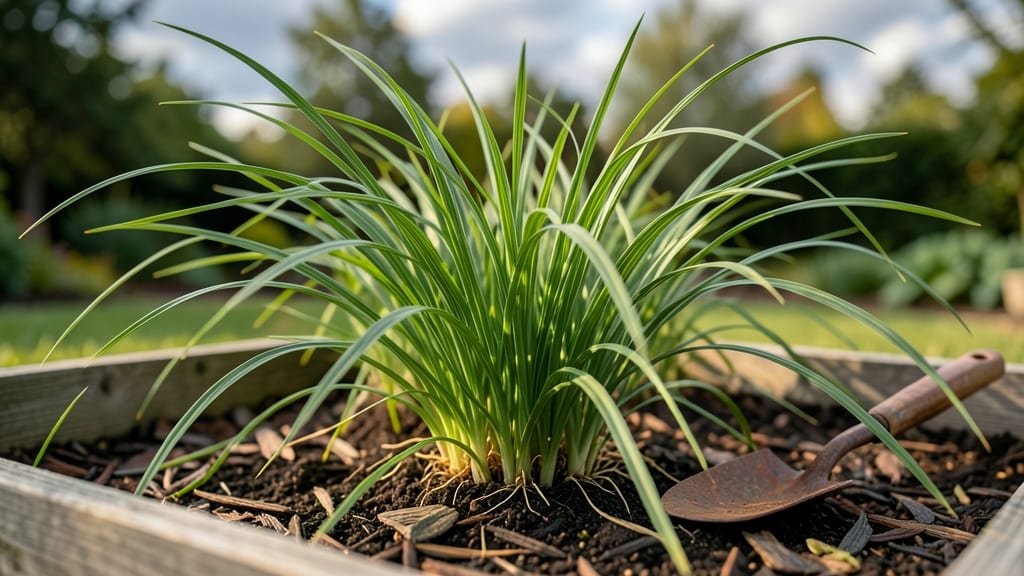
Lemon grass cultivation from cuttings is the fastest way to get fragrant, productive plants—no seeds or waiting required. 🌱 I’ve found that even in partial shade, lemon grass thrives in containers, sending up those iconic, sword-like leaves that smell like sunshine and citrus.
The secret? Mimicking its tropical roots with the right soil, water, and a little patience. You’ll need just three things: a 6-inch-deep container, well-draining potting mix, and a healthy stalk from the grocery store.
Plant the base in moist soil, keep it warm, and watch for new shoots in about two weeks. Lemon grass loves heat and humidity, so if your climate gets chilly, bring it indoors before frost. By summer, you’ll have a lush, aromatic plant ready for cooking or landscaping.
The leaves stay tender for months, and the roots even make tea! Just avoid overwatering—soggy soil is the #1 killer of young plants. Perfect for kitchens, patios, or even hanging baskets. Once established, it’s nearly indestructible. Let’s get those cuttings growing!
📚 In This Guide
- What you need
- Instructions
- Tips and common mistakes
- Wrapping up and next steps
What you need
- ● Lemon grass plants or seeds: 3–5 healthy Cymbopogon citratus plants (from a nursery or organic source) or
- ● Seeds (if starting from scratch—germination can be slow!)
- ● Containers (if growing in pots): 5–10 gallon pots (minimum 12" deep) with drainage holes
- ○ Optional: Self-watering containers for convenience
- ● Well-draining soil: Potting mix blended with perlite or sand (50/50 ratio) or
- ● Garden soil amended with compost (for in-ground planting)
- ● Fertilizer: Balanced 10-10-10 or organic fertilizer (e.g., fish emulsion)
- ○ Slow-release granules (optional for long-term growth)
- ● Mulch: Straw, wood chips, or shredded leaves (to retain moisture)
- ● Watering can or hose with gentle spray nozzle
- ● Pruning shears or sharp scissors (for harvesting)
- ● Sunlight access: Full sun (6+ hours daily) or partial shade (in hot climates)
- ● Drip irrigation system (for automated watering)
- ● pH test kit (ideal soil pH: 5.5–7.0)
- ● Epsom salt (occasional magnesium boost for yellowing leaves)
- ● Companion plants: Basil, mint, or marigolds (to deter pests)
Step-by-step instructions for growing lemon grass in containers
Here's how I grow fragrant, productive lemon grass plants that thrive in pots year after year.
🌱 Step 1: Select and Prepare Your Container
Choose a container at least 12 inches deep with drainage holes—lemon grass has long roots that need room to spread. I use terracotta pots because they breathe and prevent root rot. Fill the bottom 2 inches with small pebbles or broken pottery for drainage.
Lemon grass hates soggy roots, so this layer is non-negotiable. If your pot lacks drainage, drill holes yourself—just don't skip it. The pebbles create air pockets while letting excess water escape.
🌿 Step 2: Plant Your Starter Correctly
Place your lemon grass starter in the center of the pot, ensuring the base of the stalk sits just below the soil line. The roots will grow downward while new shoots emerge from the base. I like to plant 2-3 stalks per 12-inch pot for fuller growth.
Use well-draining potting mix—regular garden soil compacts too much. Fill around the stalk, pressing gently to remove air pockets. Leave 1 inch of space between the soil and pot rim for watering.
☀️ Step 3: Position for Warmth and Light
Lemon grass thrives in full sun to partial shade, needing at least 4-6 hours of direct sunlight daily. A south-facing window or balcony works perfectly. If you notice the leaves yellowing or growing leggy, it's getting too little light.
Keep the container in a spot where temperatures stay above 50°F—cold snaps will kill it. I bring mine indoors during winter if temperatures dip below 40°F. Watch for the leaves to perk up within a week of proper light exposure.
💧 Step 4: Water and Maintain for Optimal Growth
Water when the top 2 inches of soil feel dry—lemon grass prefers consistent moisture but hates waterlogged roots. I use room-temperature water to avoid shocking the plant. In hot weather, you may need to water every 2-3 days.
Fertilize lightly every 4-6 weeks with a balanced liquid fertilizer (10-10-10). Over-fertilizing causes salt buildup in containers, which burns roots. You'll know it's working when new shoots emerge from the base and leaves stay vibrant green.
✂️ Step 5: Harvest and Prune for Long-Term Productivity
Harvest stems when they reach 12-18 inches tall by cutting just above the base. This encourages new growth. I like to bundle 3-4 stems together for cooking—just leave at least 6 inches of stalk to keep the plant healthy.
Remove any yellow or brown leaves immediately—they drain energy from the plant. If your lemon grass gets too tall or leggy, trim it back by 1/3 to encourage bushier growth. With proper care, one container can produce harvests for years!
Tips & tricks for perfect lemon grass cultivation
Took me a while to figure these out, so here's what actually works for thriving container-grown lemon grass.
Container Material Matters: While terracotta is ideal, plastic pots work too if they have drainage holes. The key is avoiding metal containers, which can overheat roots in summer. If using plastic, choose one with a dark color—it absorbs heat and helps maintain soil temperature above 50°F, especially in cooler climates. I've had great success with black plastic pots during spring and fall transitions.
Root Space Secret: The 12-inch depth requirement is non-negotiable, but width matters too. For pots wider than 12 inches, plant just 1 stalk per container—crowding leads to competition for nutrients and stunted growth. I've seen lemon grass planted in 16-inch pots with 4 stalks, but they never reached their full potential compared to single-stalk setups.
Light Adjustments: Those 4-6 hours of sunlight are crucial, but don't panic if you're working with less. If your lemon grass is getting only 3 hours of direct light, supplement with a grow light for 2-3 hours in the evening. I use a simple LED grow bulb on a timer—it's made all the difference in maintaining vibrant green leaves during winter months when natural light is scarce.
Winter Care Strategy: When temperatures dip below 40°F, move your container indoors to a bright spot near a south-facing window. If you notice the leaves yellowing indoors, it's likely from low humidity. Place the pot on a tray of pebbles with water to create a humid microclimate—just make sure the pot isn't sitting in standing water. This simple trick keeps my lemon grass thriving through winter.
Pro Tips for Lemon Grass Cultivation
- Took me a while to figure these out, so here's what actually works for thriving container-grown lemon grass.
- Container Material Matters: While terracotta is ideal, plastic pots work too if they have drainage holes.
- Root Space Secret: The 12-inch depth requirement is non-negotiable, but width matters too.
Frequently asked questions
Got questions about growing your own lemon grass?
You’re not alone! Here are some of the most common queries—and their easy, practical answers—to help you cultivate this fragrant, versatile plant with confidence.
How long does it take for lemon grass to grow tall enough to harvest?
With proper care, lemon grass typically reaches harvestable height (12–18 inches) in 3–4 months from planting. In tropical climates, it can grow even faster! Just ensure it’s in full sun and well-watered. Patience pays off—harvesting too early stunts growth.
Can lemon grass survive winter in cold climates?
Lemon grass is not frost-tolerant—it thrives in USDA Zones 9–11. In colder areas, grow it in containers and move indoors (near a sunny window) or dig up the roots to store in a cool, dry place over winter. Pro tip: Mulch heavily if planted in-ground for extra protection!
What can I do if my lemon grass turns yellow or wilted?
Yellowing or wilting often signals overwatering, poor drainage, or root rot. Let the soil dry slightly between waterings and ensure pots have drainage holes. If the base rots, trim healthy shoots and replant them in fresh, well-draining soil. Bonus: Yellow leaves can also mean nutrient deficiency—feed with a balanced fertilizer every 2 months.
Can I grow lemon grass indoors without sunlight?
Lemon grass needs bright light—at least 6–8 hours of sunlight daily. If natural light is limited, supplement with a grow light (12+ inches away). South-facing windows work best; east or west exposures may require occasional rotation. Without enough light, growth slows, and stalks become weak or leggy.
Are there lemon grass alternatives if I can’t grow it?
If lemon grass proves tricky, try these flavorful substitutes:
- Citronella grass (similar aroma, great for pest control)
- Lemongrass essential oil (for cooking—use sparingly!)
- Vietnamese coriander (rau răm) (milder citrusy taste)
- Lime zest + a pinch of ginger (quick DIY hack for recipes)
When is the best time to plant lemon grass?
The ideal time is spring or early summer, when temperatures are warm (75–85°F) and frost isn’t a risk. In tropical zones, you can plant year-round! Start with cuttings (3–4 inches long) or young plants from a nursery. Pro tip: Avoid planting in late summer—it may struggle as days shorten.
Wrapping up and next steps
Cultivating lemon grass is a rewarding journey that brings fragrant, versatile greens to your doorstep—whether in pots or garden beds. With the right sunlight, well-draining soil, and minimal care, this tropical perennial can flourish even in small spaces, offering both beauty and culinary benefits. You’ve got what it takes!
Ready to harvest your first batch? Start by planting your first clump today, and soon you’ll be savoring homemade teas, stir-fries, or homemade remedies—all grown with your own hands. 🌱 Grab your supplies and begin your lemon grass adventure now!