
Watering
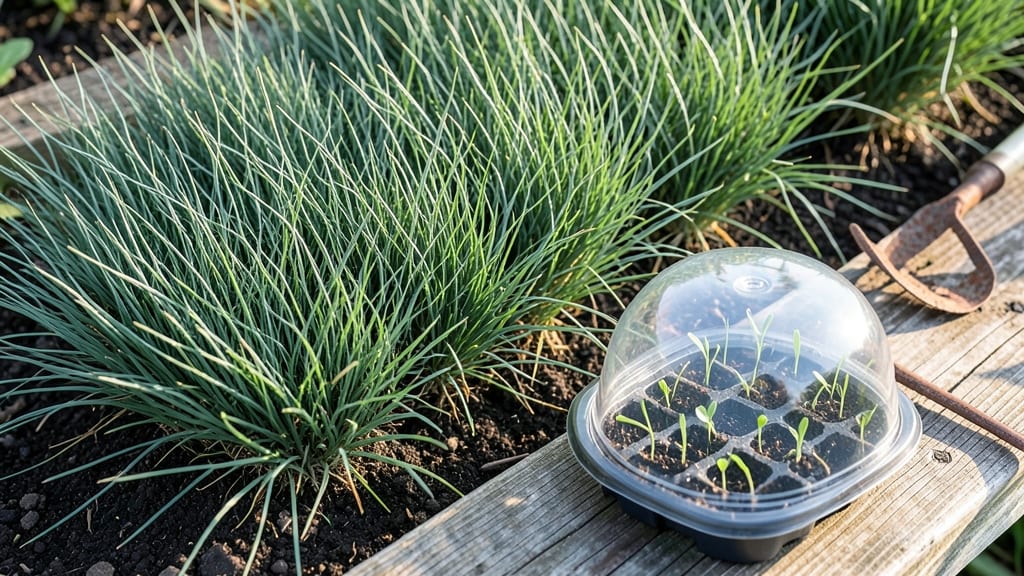
Growing Kentucky bluegrass seedlings means cold-hardy roots that outlast summer heat and winter frost—if you nail the early stages. 🌱 I’ve watched delicate seedlings turn into thick, drought-resistant turf by following three critical rules: soil prep that drains but holds moisture, watering that keeps roots active without drowning them, and patience through the slow-but-steady root development phase.
The secret isn’t fancy equipment—it’s matching your watering schedule to the soil’s thirst. Too much, and you smother roots; too little, and seedlings bolt. I’ve perfected a morning watering routine that mimics natural rain cycles, keeping the top inch damp without creating soggy patches.
Start with a light mist, then deep-soak every other day once sprouts appear. By week 6, your seedlings will have established a 3-inch root system—the sign they’re ready for outdoor life.
The grass turns from pale green to that signature deep blue-green, and you’ll notice it springing back faster after mowing. That’s when you know you’ve built a foundation for a lawn that stays lush through drought and freeze.
For transplanting, wait until nighttime temperatures stay above 50°F—cool enough to avoid stress, warm enough for roots to settle. The key is keeping the soil ball intact, so use a spade to lift seedlings gently. Even in shade, bluegrass thrives if you adjust watering to match sunlight exposure.
📚 In This Guide
- What you need
- Instructions
- Tips and common mistakes
- Wrapping up and next steps
What you need
- ● Kentucky bluegrass seed – 1-2 lbs per 100 sq. ft. (choose a cold-hardy variety like ‘Midnight’ or ‘NuGlade’ for best results).
- ● High-quality topsoil or seed-starting mix – 2-3 inches deep for optimal drainage and nutrient retention.
- ● Compost or organic fertilizer – 10-10-10 or slow-release formula (follow package rates for seedlings).
- ● Watering can or hose with a gentle spray nozzle – Fine mist setting to avoid disturbing seeds.
- ● Garden rake or hand fork – For lightly leveling soil and creating a fine seedbed.
- ● Garden gloves – To protect hands from soil and sharp tools.
- ○ Measuring tape or string – For marking planting areas (optional but helpful for uniformity).
- ● Straw or peat moss mulch – ¼-inch layer to retain moisture and shield seedlings from birds.
- ○ pH testing kit – Optional but recommended (ideal soil pH: 6.0–7.0).
- ● 🔥 Sunlight: Full sun (6+ hours daily) – Kentucky bluegrass thrives in bright, open spaces.
- ● 💡 Weather timing: Plant in early spring or fall (avoid extreme heat or frost).
- ● 🎯 Soil prep: Loosen soil 6–8 inches deep to improve root penetration.
Step-by-step instructions for growing healthy Kentucky bluegrass seedlings
Here's how to establish vigorous Kentucky bluegrass seedlings that thrive in cold climates and crowd out weeds naturally.
🌱 Step 1: Prepare the Soil for Optimal Germination
Kentucky bluegrass demands loose, well-draining soil with a pH between 6.0 and 7.0—test your soil first if you're unsure. Work in 2-3 inches of compost into the top 6 inches of soil to improve structure and fertility. The goal is soil that crumbles easily when squeezed but holds moisture without puddling.
Rake the area smooth to eliminate clumps, then lightly compact the surface with a board or roller—this creates firm seedbed contact that prevents seeds from floating away. For best results, prepare the soil 2-3 weeks before planting to let organic matter break down and eliminate weeds.
💧 Step 2: Sow Seeds at the Right Depth and Spacing
Scatter seeds evenly at a rate of 10-15 pounds per 1,000 square feet—this ensures good coverage while preventing overcrowding. Press seeds ¼ inch deep into the soil using a rake with fine tines. The key is gentle pressure: you want seeds buried just enough to protect them from birds but not so deep they struggle to emerge.
Lightly cover with a thin layer of fine soil or compost, then water gently with a sprinkler set to a fine mist. Watch for uniform moisture—the surface should feel damp but not saturated. Avoid walking on the area until germination occurs to prevent seed displacement.
☀️ Step 3: Maintain Consistent Moisture and Light
Keep the soil evenly moist for the first 3-4 weeks—this is critical for germination. Water lightly daily rather than heavily once or twice a week. You'll know moisture is right when the top ½ inch of soil stays damp but doesn't form a crust. Use a soaker hose for even distribution.
Once seedlings reach 2-3 inches tall, gradually reduce watering to 2-3 times per week, allowing the top 1 inch of soil to dry slightly between waterings. This encourages deep root growth. Position seedlings in full sun (6+ hours daily)—shade slows development and weakens cold hardiness.
✂️ Step 4: Fertilize and Mow for Strength
Apply a slow-release nitrogen fertilizer (like 20-0-5) at ½ pound per 1,000 square feet when seedlings are 3-4 inches tall. This promotes steady growth without burning tender roots. Water immediately after application to help nutrients penetrate the soil.
Mow when grass reaches 3-4 inches using a sharp mower blade set to 2-3 inches—this prevents scalping and encourages root development. Bag clippings the first few times to avoid thatch buildup. Real talk: skipping this step leads to weak stems that flop in wind or snow.
⏰ Step 5: Harden Off Before Winter
As temperatures drop below 50°F at night, reduce watering to once every 5-7 days to toughen roots. Avoid fertilizing after mid-September—new growth is vulnerable to frost damage. Rake leaves into the lawn to protect crowns from freezing-thaw cycles.
In early spring, remove winter debris and apply a light nitrogen top-dressing (like 10-0-10 at ¼ pound per 1,000 sq ft) when soil reaches 50°F. You'll see new growth within 7-10 days—that's your signal the grass is breaking dormancy successfully.
Tips & tricks for perfect Kentucky bluegrass seedlings
Common pitfalls—and how to sidestep every one—when growing cold-hardy Kentucky bluegrass from seed.
Soil Prep Secret: The 2-3 weeks you spend preparing soil before planting isn't wasted time—it's the foundation for everything that follows. If your soil feels too dense after amending, mix in an extra ½ inch of coarse sand to improve drainage. I've seen seedlings fail within weeks because of poor drainage, even when all other steps were perfect. Test your soil's moisture retention by squeezing a handful: it should hold together but not drip when tilted.
Seed Placement Technique: That ¼-inch depth for seeds is non-negotiable, but here's what nobody tells you—use a rake with fine tines spaced ¼ inch apart for even distribution. I learned this the hard way after seeing seeds clump together in thick patches. After sowing, gently brush the surface with a broom to ensure seeds make contact with soil, not just the thin compost layer. This prevents them from floating away during your first watering.
Watering Wisdom: The "lightly daily" watering in Step 3 is crucial, but timing matters just as much. Water in the early morning so moisture has all day to penetrate, and avoid evening watering which can promote fungal growth. I use a rain gauge to track exactly ½ inch of water per day—any less and seeds dry out, any more and they suffocate. A simple spray bottle helps check soil moisture: if it feels dry at the surface, it's time to water again.
Fertilizer Timing: That ½ pound of 20-0-5 fertilizer at 3-4 inches tall is your first real growth boost, but here's the pro move: split the application. Use ⅓ pound now and save the rest for when grass reaches 5-6 inches tall. This gradual approach prevents nutrient burn while still giving seedlings the nitrogen they crave. Always water immediately after applying—fertilizer needs to dissolve into the soil, not sit on the surface where it can damage tender blades.
Pro Tips for Kentucky Bluegrass Seedling
- Common pitfalls—and how to sidestep every one—when growing cold-hardy Kentucky bluegrass from seed.
- Soil Prep Secret: The 2-3 weeks you spend preparing soil before planting isn't wasted time—it's the foundation for everything that follows.
- Seed Placement Technique: That ¼-inch depth for seeds is non-negotiable, but here's what nobody tells you—use a rake with fine tines spaced ¼ inch apart for even distribution.
Frequently asked questions
Got questions about nurturing your Kentucky bluegrass seedlings? You’re not alone! Here are answers to the most common concerns—from timing to troubleshooting—to help your lawn thrive.
When is the best time to plant Kentucky bluegrass seedlings?
Plant seedlings in early spring (March–April) or late summer (August–September) for optimal success. Avoid extreme heat or frost—cool, moist soil (50–65°F) gives seedlings the best start. If overseeding in fall, do it 4–6 weeks before the first frost for root establishment before winter.
How long does it take for Kentucky bluegrass seedlings to establish?
Expect 4–6 weeks for initial root growth, but full establishment takes 3–4 months. Light foot traffic should be avoided until the grass reaches 3–4 inches tall and has a dense, dark green color. Patience pays off—rush it, and you risk shallow roots or weed competition.
How often should I water Kentucky bluegrass seedlings?
Keep soil consistently moist (not soggy) for the first 2–3 weeks—water lightly daily (about ¼ inch) to encourage root growth. After establishment, water 1–1.5 inches per week, preferring deep, infrequent watering over shallow sprinkles. Pro tip: Water in the early morning to reduce evaporation and fungal risks.
What should I do if my seedlings look yellow or wilted?
Yellowing can signal overwatering, underwatering, or disease (like fungal leaf spot). Check soil moisture—it should feel like a damp sponge. If wilting persists, test for pests (grubs, chinch bugs) or adjust sunlight (partial shade helps stressed seedlings). A balanced fertilizer (10-10-10) can revive weak growth, but avoid heavy doses until roots are established.
Can I use Kentucky bluegrass seed instead of seedlings for my lawn?
Seeds
are often cheaper and faster to spread, but seedlings offer instant coverage (great for patchy lawns). Seeds take 14–21 days to germinate and require more careful moisture control. Seedlings are ideal for fall overseeding or repairing bare spots—just ensure they’re disease-free and planted at the right depth (¼ inch).
Will Kentucky bluegrass seedlings survive winter?
Yes! This grass is cold-hardy (USDA Zones 3–9), but young seedlings need protection. If planting in late fall, use a light straw mulch (½ inch) to insulate roots. Avoid heavy snow buildup, and resist mowing until spring. Established grass handles winter well, but seedlings benefit from early spring fertilization to bounce back faster.
Wrapping up and next steps
Growing Kentucky bluegrass seedlings is a rewarding journey that brings vibrant, cold-hardy greenery to your lawn or garden.
With the right soil, consistent watering, and patience, you’ll soon enjoy a lush, resilient turf that stands up to seasonal challenges. Now’s the time to roll up your sleeves—start small, track progress, and soon you’ll be the envy of the neighborhood with your thriving grass!
Ready to take the next step? Test your soil pH and adjust as needed before planting your next batch. Happy growing! 🌱