
Lawn
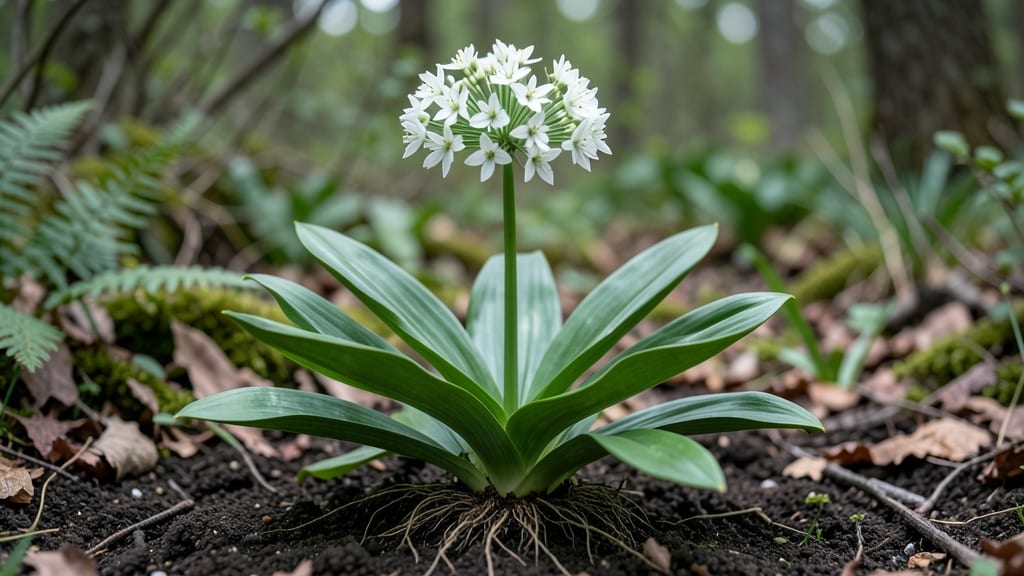
Wild garlic onion grass spreads faster than weeds in a spring rain—unless you catch it early. 🌱 The key to stopping it lies in identifying it correctly (it’s not the same as your dinner onions) and using the right removal methods before it takes over your lawn or garden beds.
I’ve battled this invasive plant for years, and I’ll show you how to tackle it without harsh chemicals or endless digging.
First, distinguish it from edible alliums: wild garlic has flat, grass-like leaves and a strong garlic scent when crushed, while onion grass grows in clumps with hollow stems.
Manual removal works best in small patches, but for larger infestations, a combination of smothering with thick mulch and regular monitoring is your best bet. The roots are stubborn—pull them early in the season when the soil is soft.
Once you’ve removed it, prevent regrowth by improving soil health with nitrogen-rich compost and overseeding bare spots with grass or clover. Wild garlic thrives in weak turf, so a dense lawn is your first line of defense.
For garden beds, mulch heavily to block sunlight, which this plant needs to survive. Patience is key—it can take a full growing season to fully eradicate, but persistence pays off.
Safety note: Never confuse wild garlic with wild onions or toxic look-alikes like death camas. When in doubt, crush a leaf—if it smells like garlic, it’s the invasive kind.
With the right approach, you’ll reclaim your yard without losing your sanity (or your lawn). Let’s get started on a plan that actually works.
📚 In This Guide
- What you need
- Instructions
- Tips and common mistakes
- Wrapping up and next steps
What you need
- ● Wild garlic onion grass: 1–2 cups (fresh leaves, stems, and flowers—no bulbs needed!)
- ○ Gloves (optional): A pair of nitrile or rubber gloves to protect your hands from sap (if sensitive).
- ● Scissors or pruning shears: Sharp, clean tools for harvesting without damaging the plant.
- ● Paper bag or basket: For collecting your haul (avoid plastic—it traps moisture!).
- ● Knife & cutting board: A sharp chef’s knife or kitchen shears for chopping.
- ● Mixing bowl: Large enough to hold your greens and any added ingredients.
- ○ Blender or food processor (optional): For pesto, sauces, or smoothies—high-speed preferred.
- ○ Cooking oil (optional): 1–2 tbsp (olive, avocado, or sesame for sautéing or dressings).
- ● Salt & pepper: To taste (enhances the natural garlic punch!).
- ● Pantry staples (pick your flavor!): Parmesan cheese (¼ cup, grated)
- ● Pine nuts or walnuts (¼ cup, toasted)
- ● Lemon juice (1 tbsp, for brightness)
- ● Garlic cloves (1–2, minced—bonus if wild!)
- ● 🌿 ID first! Double-check your wild garlic isn’t lily of the valley or wild onion (use a field guide or app like iNaturalist).
- ● 🧤 Wash gently. Rinse leaves in cold water, then pat dry—excess moisture dulls flavor.
- ● 🕒 Use it fresh! Wild garlic loses potency after 2–3 days; freeze extras in oil for later.
How to identify and harvest wild garlic onion grass safely
Foraging wild garlic and onion grass is easier than you think—just learn these key visual cues and timing.
🌿 Step 1: Learn the Distinct Visual Differences
Wild garlic (Allium ursinum) has broad, smooth-edged leaves with a bright green color and a strong garlic scent when crushed. The leaves grow in a rosette from a single point, often in damp woodlands or meadows. I always check for these three clues: heart-shaped base, smooth edges, and the unmistakable garlic aroma when a leaf is torn.
Onion grass (Allium schoenoprasum), on the other hand, grows in tufts with hollow, cylindrical stems and thin, grass-like leaves that feel slightly rough. Unlike wild garlic, it smells faintly of onions when crushed, not garlic. Both plants bloom in spring with small white flowers, but wild garlic's flowers grow on a single stalk while onion grass forms dense clusters.
🌱 Step 2: Harvest at the Right Time
Harvest wild garlic leaves in early spring before the plant bolts to flower, usually between March and May. The leaves are most tender and flavorful then. I avoid harvesting after flowering because the plant redirects energy to seed production, making the leaves bitter and tough. For onion grass, you can harvest leaves throughout the growing season, but the youngest shoots in early spring are the most flavorful.
Never harvest more than one-third of the plant at a time to ensure regrowth. I like to leave at least three mature leaves per plant so it can recover. Use clean, sharp scissors or a knife to cut leaves at the base, leaving the roots intact. This prevents damaging the plant and encourages future growth.
☀️ Step 3: Store and Preserve for Later Use
Rinse the harvested leaves thoroughly under cold water to remove dirt and insects. Pat them dry with a clean towel or use a salad spinner. Store fresh wild garlic and onion grass in the refrigerator, wrapped in a damp paper towel, for up to one week. For longer storage, chop the leaves and freeze them in an airtight container or ice cube tray with a little water—these make perfect additions to soups and stews later.
To dry the leaves, tie small bundles with twine and hang them upside down in a well-ventilated, dark place for 1-2 weeks. Once completely dry, crumble the leaves and store them in an airtight jar away from light. Dried wild garlic and onion grass retain their flavor for up to 6 months, though I find it’s best used within the first 3 months for peak potency.
✂️ Step 4: Cook with Confidence
Wild garlic leaves can be used raw in salads, pesto, or as a garnish for dishes like scrambled eggs or pasta. Their flavor is three times stronger than cultivated garlic, so use sparingly at first. I like to finely chop the leaves and mix them into butter for garlic bread or blend them into hummus for an extra kick.
Onion grass is best used sparingly due to its milder flavor. It works beautifully in butters, sauces, and as a garnish for fish or chicken dishes. To avoid bitterness, always harvest the youngest leaves. If you’re unsure about the identification, cook a small amount first to test for flavor and safety—some wild plants can be toxic, so never consume anything you haven’t positively identified.
Tips & tricks for perfect wild garlic and onion grass foraging
Took me a while to figure these out, so here's how to avoid common mistakes when harvesting wild garlic and onion grass.
Visual Confirmation: Always double-check the scent test—crush a leaf between your fingers to confirm that unmistakable garlic aroma for wild garlic. For onion grass, the faint onion scent should be your guide. I've learned the hard way that similar-looking plants like lily of the valley can be toxic, so never rely solely on appearance. If in doubt, do a small taste test with a tiny piece cooked first.
Harvesting Technique: When cutting leaves, use clean scissors or a knife and make a clean cut at the base. Avoid pulling or tearing the leaves, which can damage the plant and leave it vulnerable to pests. I like to harvest on a cloudy day when the plants are less stressed from heat, and always leave at least three mature leaves per plant to ensure regrowth.
Storage Wisdom: For maximum freshness, store your harvested leaves in an airtight container lined with a damp paper towel in the refrigerator. This keeps them crisp for up to one week. For longer storage, drying is your best bet—hang bundles upside down in a dark, well-ventilated space for 1-2 weeks. Once dry, store in an airtight jar away from light, but use within 3 months for the best flavor.
Cooking Caution: Remember, wild garlic is three times stronger than cultivated garlic. Start with small amounts when using it raw in salads or pesto, and always taste as you go. For onion grass, its milder flavor means you can be a bit more generous, but the youngest leaves always pack the most flavor. If you're unsure about identification, cook a small portion first to confirm it's safe and delicious.
Pro Tips for Wild Garlic Onion Grass
- Took me a while to figure these out, so here's how to avoid common mistakes when harvesting wild garlic and onion grass.
- Visual Confirmation: Always double-check the scent test—crush a leaf between your fingers to confirm that unmistakable garlic aroma for wild garlic.
- Harvesting Technique: When cutting leaves, use clean scissors or a knife and make a clean cut at the base.
Frequently asked questions
Got questions about wild garlic, onion grass, or foraging? You’re not alone!
Here are answers to the most common queries to help you confidently use these flavorful greens in your cooking.
Is wild garlic and onion grass the same thing?
Not exactly! Wild garlic (Allium ursinum) has broad, heart-shaped leaves and a strong garlic scent, while onion grass (Allium fistulosum) is a milder, grass-like perennial with hollow stems. Both are edible, but their flavors and textures differ—wild garlic is more pungent, while onion grass tastes like a cross between onion and chive.
When is the best time to harvest wild garlic or onion grass?
Harvest wild garlic in spring (April–May), when leaves are young and tender. For onion grass, you can snip leaves year-round, but early spring or fall yields the sweetest, most flavorful growth. Avoid harvesting after flowering (if applicable), as the flavor intensifies but the texture may toughen.
Can I substitute wild garlic or onion grass for regular garlic or onions in recipes?
Use them 1:1 as a fresh garnish (e.g., chopping over pasta or soups) or reduce by 20–30% if cooking (since they’re milder raw). For wild garlic, blend into pesto or infuse oils for a bold garlic kick. Onion grass works well in stir-fries, salads, or as a vinegar substitute.
How do I avoid mistaking wild garlic or onion grass for poisonous look-alikes?
Never eat anything unless 100% identified!
Wild garlic grows in shady, damp woodlands and has two broad leaves with a garlicky smell when crushed. Onion grass has long, hollow stems and a mild onion scent. Avoid plants with white flowers (may indicate death camas) or bulbs resembling lily-of-the-valley. When in doubt, consult a local foraging guide or app.
Can I grow wild garlic or onion grass at home?
Yes! Onion grass is the easier choice—plant crowns or seeds in well-draining soil with full sun to part shade. It spreads aggressively (great for borders!). Wild garlic is trickier; start with rhizomes in moist, shady spots (mimicking its forest habitat). Both thrive in USDA zones 4–9.
Pro Tip:
Store harvested greens in a damp paper towel in the fridge for up to 5–7 days. For longer storage, blanch and freeze or dry leaves for teas/infusions. Never wash until ready to use—moisture speeds up spoilage!
Wrapping up and next steps
Wild garlic, onion grass, and their relatives are nature’s hidden flavor boosters—easy to grow, packed with nutrients, and perfect for elevating your meals without the hassle of foraging. Whether you’re a beginner or a seasoned gardener, these versatile greens can transform your lawn into a culinary playground. 🌱
Ready to dive in? Start small—plant a patch in your yard or a container on your balcony—and let these aromatic herbs work their magic in your kitchen. Your taste buds (and your garden) will thank you!