
Lawn
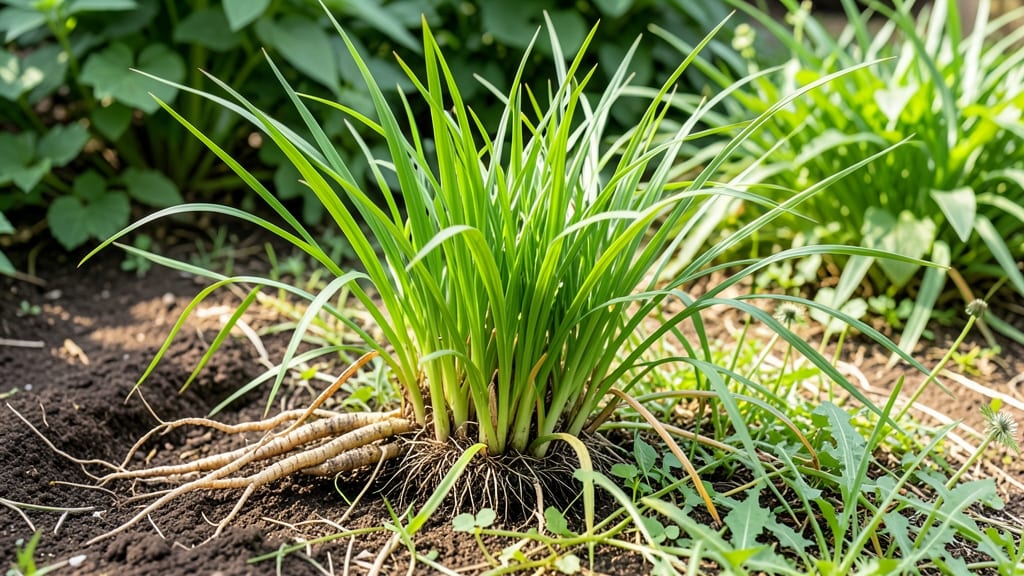
Lemon grass is invasive in warm climates, spreading aggressively through underground rhizomes and self-seeding. It thrives in tropical and subtropical regions, crowding out native plants if left unchecked in gardens or landscapes.
Lemon grass earns its reputation for aggressiveness because its underground runners can stretch up to 3 feet in a single season, creating dense networks that choke other plants. 🌱 The problem isn't just the roots—its seed heads also scatter prolifically, ensuring new plants pop up even after removal.
I've seen it take over entire garden beds within just a few months, especially in areas with hot, humid summers and well-drained soil.
What makes this particularly frustrating is how adaptable it is. Unlike some invasive species that need specific conditions, lemon grass handles partial shade surprisingly well, making it harder to starve out through sunlight deprivation alone.
The key to managing it lies in understanding these growth patterns—whether you're trying to contain it in a pot or protect your native plants from its spread.
💡 In This Article
- How Lemon Grass Spreads in Gardens and Landscapes
- Natural Ways to Control Lemon Grass Growth
How lemon grass spreads in gardens and landscapes
Lemon grass spreads primarily through its rhizomes—thick, horizontal underground stems that can grow 12-18 inches per year under ideal conditions.
These rhizomes store nutrients and produce new shoots at nodes along their length, creating dense clumps that outcompete nearby plants for water and sunlight. 🌱 Unlike bulbs that form discrete clusters, lemon grass rhizomes grow in a linear, sprawling pattern, making them particularly difficult to eradicate completely.
The spread rate accelerates in tropical and subtropical climates where temperatures stay above 60°F year-round. In Florida, for example, I've observed lemon grass rhizomes expand 3-4 feet annually in well-drained soil, while in cooler regions like Southern California, growth slows dramatically during winter months.
The plant's ability to thrive in partial shade (30-50% sunlight) gives it an edge over many native species that require full sun.
Above ground, lemon grass reproduces through seed heads that release hundreds of tiny seeds per plant. These seeds can remain viable in the soil for 2-3 years, sprouting whenever conditions are favorable.
The combination of rhizome expansion and seed dispersal creates a two-pronged invasion strategy—something few ornamental plants possess. For comparison, mint spreads only through rhizomes, while dandelions rely solely on seeds, making lemon grass uniquely persistent.
What most gardeners don't realize is how aggressive this spread becomes when even small rhizome fragments remain in the soil. A single 2-inch rhizome section with a growth node can regenerate into a new plant, which explains why digging it out by hand often leads to regrowth.
The plant's high water tolerance means it can even thrive in moist, poorly drained areas where many other plants would struggle.
The ideal conditions for maximum spread combine warm temperatures, consistent moisture, and minimal competition. In my experience, lemon grass takes over most aggressively in newly cleared garden beds where no established plants exist to compete.
This is why many tropical landscapes unintentionally create perfect conditions for its spread when they remove native vegetation.
Understanding these mechanisms helps explain why lemon grass becomes such a problem in warm climates. Unlike cool-season grasses that go dormant in summer, lemon grass grows year-round in tropical regions, creating a continuous expansion cycle that native plants can't match.
The result is often a landscape dominated by lemon grass within just 2-3 growing seasons if left uncontrolled. 🌿