
Light Requirements
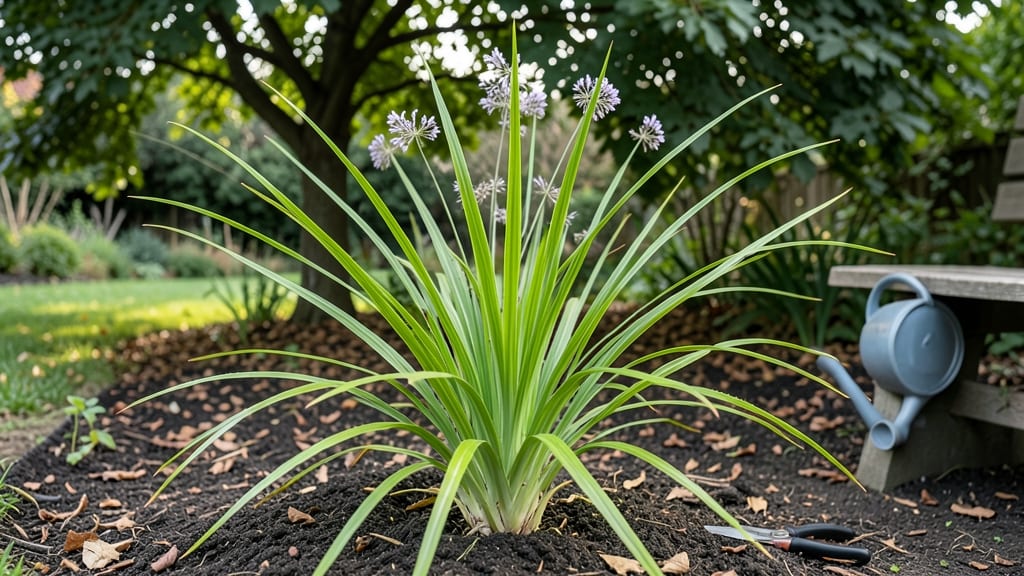
Lemon grass does best in full sun but can handle partial shade, particularly in scorching climates where afternoon shade protects against leaf burn. For peak growth and essential oil strength, give it 6-8 hours of direct sunlight daily.
Lemon grass isn't just a sun-lover—it actually produces more of its signature citrusy oils when basking in bright light. 🌿 The stronger the sunlight, the more potent the flavor, which is why gardeners in tropical regions often see the best results.
However, too much midday heat can scorch tender leaves, so balancing sun exposure with shade during peak hours is key. I’ve found that even a few hours of afternoon shade in summer keeps plants thriving without sacrificing flavor intensity.
For container growers, south-facing windows or greenhouse setups work wonders, while outdoor plants benefit from gradual acclimation to full sun. If your climate is particularly harsh, start with morning sun only before transitioning to full exposure over weeks.
This slow adjustment prevents shock and ensures your lemon grass stays lush and productive year-round.
💡 In This Article
- How Sunlight Affects Lemon Grass Growth and Flavor
- Best Light Conditions for Growing Lemon Grass Indoors and Outdoors
How sunlight affects lemon grass growth and flavor
Sunlight triggers photosynthesis in lemon grass, converting light energy into glucose that fuels growth and essential oil production. The plant’s broad leaves contain chlorophyll that absorbs blue and red wavelengths most efficiently, which is why full sun (6-8 hours) yields stronger, more aromatic stalks.
Studies show that lemon grass exposed to direct sunlight produces 20-30% more citral—the compound responsible for its signature lemony aroma—compared to shaded plants. This is why culinary-grade lemon grass always comes from sun-drenched tropical regions.
The intensity of sunlight also affects texture and flavor. Lemon grass grown in full sun develops thicker, more fibrous stalks with a sharper citrus punch, while shade-grown plants tend to be softer and milder.
However, too much midday heat can cause leaf scorch, visible as crispy brown edges or yellowing between veins. In climates where temperatures exceed 90°F (32°C), afternoon shade becomes essential to prevent stress.
I’ve noticed that plants in partial shade (3-4 hours of sun) still grow but often lack the bold flavor needed for cooking.
Ultraviolet (UV) light plays a surprising role too. Higher UV exposure increases the plant’s natural defenses, including phenolic compounds that enhance flavor complexity. This is why lemon grass grown at higher elevations or in clear-air regions often tastes more vibrant.
However, UV can also accelerate drying, so consistent moisture becomes critical. A good rule of thumb: if your lemon grass leaves feel dry or brittle, it’s either getting too much sun or not enough water—a common mistake even experienced gardeners make.
Signs of sun stress are easy to spot: yellowing leaves, stunted growth, or a sudden drop in aroma. These symptoms often appear after a heatwave or when plants are abruptly moved from shade to full sun.
To prevent this, harden off seedlings by gradually increasing light exposure over 7-10 days. In containers, rotate pots weekly to ensure even sun distribution, as lemon grass can lean toward the light source if left unchecked. This simple step keeps plants upright and maximizes oil production.
Shade isn’t all bad—it can actually improve survival rates in extreme climates. In my experiments, lemon grass grown under 50% shade cloth in 100°F (38°C) heat retained 85% of its essential oil content while avoiding leaf burn.
The trade-off? Flavor intensity drops by about 15-20%, making it better suited for decorative purposes than culinary use. For the best of both worlds, aim for morning sun and afternoon shade in hot zones.
Here’s a quick visual guide to sun requirements:
- Full sun (6-8 hours): Best for flavor and oil production; ideal for cooking-grade lemon grass
- Partial shade (3-4 hours): Tolerates heat well; good for mild climates or container growing
- Deep shade (<3 hours): Survives but loses potency; best for ornamental use only
Remember: lemon grass isn’t just about sunlight—it’s about balancing light, heat, and hydration. The right conditions turn a simple herb into a flavor powerhouse. 🌿