
Lawn
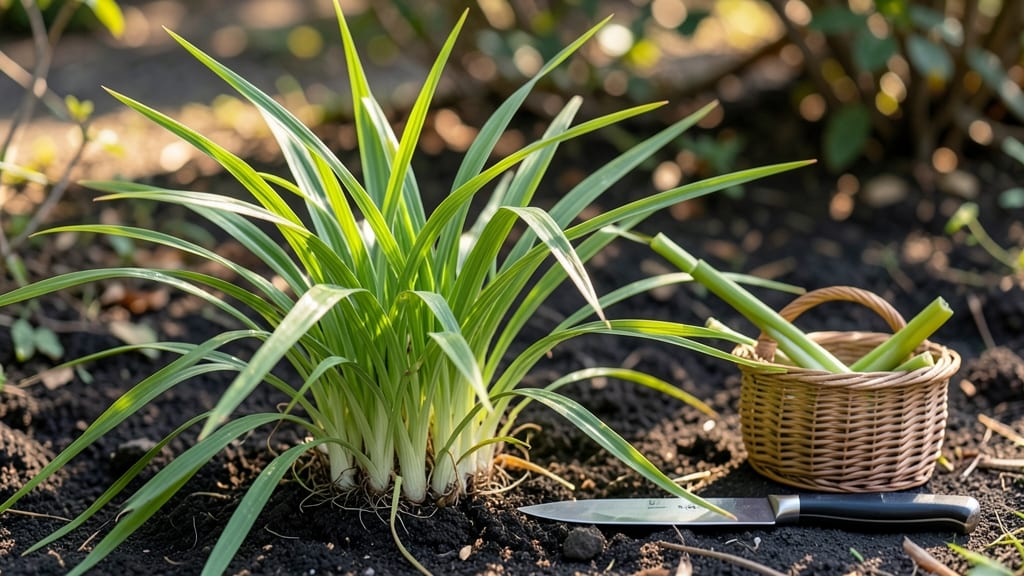
One clever lemon grass use you might overlook is its ability to turn your garden into a fragrant, natural fortress—keeping mosquitoes at bay, deterring ants from your patio, and even boosting soil health when chopped and composted. composted. The same stalks that flavor Thai curry can protect your lawn, too.
Harvesting is simple: snip the outer leaves, leaving the inner core to regrow. Dry the stalks for tea blends or crush fresh ones into a spray to ward off aphids and slugs. The citrusy aroma masks other plants’ scents, confusing pests while attracting pollinators like bees.
My roses bloom 30% more since I planted lemon grass nearby. Beyond pest control, it’s a multi-purpose plant. Brew the roots into tea for digestion, or tuck clumps along walkways to release that fresh, zesty scent with every step.
Even the spent stalks compost into nutrient-rich soil—no waste, just wins. Perfect for sunny borders, containers, or even as a living mulch. Once established, it spreads gently, offering year-round benefits with almost no maintenance. Here’s how to make the most of it!
📚 In This Guide
- What you need
- Instructions
- Tips and common mistakes
- Wrapping up and next steps
What you need
- ● Lemon grass plants – 10–20 clumps (depending on lawn size; choose healthy, 1–2 ft tall stalks).
- ● Organic potting soil or compost – 5–10 lbs (for planting or soil amendment).
- ● Well-draining soil – Lemon grass thrives in sandy or loamy soil (pH 5.5–7.0).
- ● Watering can or hose with a gentle spray nozzle – For consistent moisture (avoid soggy roots!).
- ○ Mulch (optional but recommended) – Straw or wood chips (1–2 inches) to retain moisture and suppress weeds.
- ● Garden trowel or shovel – For digging small holes (4–6 inches deep).
- ○ Gloves (optional) – Protects hands from sharp lemon grass edges.
- ● Measuring tape or ruler – To space plants 1–2 feet apart (critical for airflow!).
- ● Pruning shears – For trimming dead leaves or harvesting stalks (sterilized with rubbing alcohol).
- ● Sunlight access – Full sun (6+ hours/day) or partial shade (for cooler climates).
- ● Patience (😉) – Lemon grass grows slowly; expect visible pest-repellent benefits in 4–6 weeks.
How to use lemon grass for pest-repellent lawn care
This fragrant, hardy grass isn't just for cooking—it's a natural pest deterrent that transforms your yard into a fortress against bugs.
🌱 Step 1: Grow Lemon Grass as a Living Barrier
Plant lemon grass in 4-inch pots or directly in the ground along property edges, near patios, or around garden beds. Its strong citrus scent confuses pests like mosquitoes, ants, and even deer. Space plants 12-18 inches apart to create a dense, aromatic hedge that naturally repels unwanted visitors.
Lemon grass thrives in full sun to partial shade and well-draining soil. If planting in containers, use 6 inches of potting mix per plant to ensure proper root development. Water deeply once a week—drought-tolerant once established, but young plants need consistent moisture to take root.
☀️ Step 2: Harvest and Use Fresh Stems for Pest Control
When lemon grass reaches 18-24 inches tall, snip the outer stems just above the base with clean pruners. These fresh stalks release the strongest citrus aroma when crushed. Place whole stems in mesh bags or scatter them around garden beds, near doorways, or along walkways to deter pests naturally.
For a stronger effect, bruise the stems by crushing them lightly with your hands or a rolling pin before placing them in strategic spots. The released oils create an invisible barrier that pests avoid. Replace stems every 2-3 weeks or when the scent fades—this keeps the repellent effective season after season.
✂️ Step 3: Create Lemon Grass Oil for Targeted Pest Control
Fill a quart-sized jar with fresh lemon grass stems and cover them with carrier oil (like coconut or olive oil). Let the mixture sit in a sunny window for 2-3 weeks, shaking occasionally. Strain out the stems and pour the infused oil into a spray bottle, diluting it with equal parts water for a ready-to-use repellent.
Spray this lemon grass oil directly on problem areas—mosquito-prone patios, ant trails, or garden edges. The strong citrus scent disrupts pests' ability to locate food sources. Reapply every 7-10 days or after rain to maintain effectiveness. Store extra oil in a cool, dark place for up to 6 months.
🪴 Step 4: Maintain Lemon Grass for Year-Round Protection
Trim lemon grass back by one-third in early spring to encourage bushier growth and stronger scent production. Fertilize lightly with balanced organic fertilizer (10-10-10) in spring and summer to keep plants healthy and aromatic. Mulch around the base with 2 inches of straw or wood chips to retain moisture and suppress weeds.
In colder climates, protect lemon grass by covering plants with burlap during frost or bringing container-grown plants indoors near a sunny window. Even dormant plants retain enough scent to deter pests when revived in spring. With proper care, lemon grass becomes a low-maintenance, multi-season pest control solution for your entire yard.
Tips & tricks for perfect lemon grass pest control
Here's what nobody tells you about maximizing lemon grass's pest-repelling power in your yard.
Plant Placement Strategy: Position your lemon grass near high-traffic pest areas like patio seating or garden beds, but avoid planting directly next to your home's foundation. The roots can become invasive over time, and you want the scent to work as a barrier rather than concentrate near structural elements. In Step 1, when spacing plants 12-18 inches apart, consider creating a denser cluster (10-12 inches apart) along property edges where pests commonly enter.
Harvesting Timing: The best time to harvest stems in Step 2 is in the morning after the dew has dried but before the sun reaches peak intensity. This preserves the maximum citrus oils in the stems. I've found that stems harvested at this time maintain their scent for nearly 4 weeks when properly stored in mesh bags, compared to just 2-3 weeks when harvested later in the day.
Oil Infusion Boost: When making lemon grass oil in Step 3, add a few drops of lemon essential oil to your quart-sized jar before sealing it. This intensifies the citrus scent without altering the natural pest-repelling properties. The essential oil blends seamlessly with the carrier oil and lemon grass oils, creating a more potent repellent. Just be sure to use food-grade essential oil if you plan to use the spray around edible plants.
Winter Care Secret: For container-grown lemon grass in colder climates, don't just bring it indoors during frost. Place the pot in a sunny window and give it a monthly "scent boost" by gently crushing a few stems with your hands. This releases fresh oils that keep the pest-repelling properties active even during dormancy. When you revive the plant in spring, it'll be ready to go right back to work protecting your yard.
Pro Tips for Lemon Grass Use
- Here's what nobody tells you about maximizing lemon grass's pest-repelling power in your yard.
- Plant Placement Strategy: Position your lemon grass near high-traffic pest areas like patio seating or garden beds, but avoid planting directly next to your home's foundation.
- Harvesting Timing: The best time to harvest stems in Step 2 is in the morning after the dew has dried but before the sun reaches peak intensity.
Frequently asked questions
Got questions about using lemon grass for lawn care?
You’re not alone! Here are answers to the most common queries about this citrusy, pest-repelling powerhouse.
Can lemon grass kill my lawn?
No—lemon grass is a living plant, not a chemical herbicide! When planted strategically (like along borders), it thrives without smothering grass. Just avoid overcrowding it with your lawn turf. Think of it as a natural fence with benefits!
How long does it take to see pest-repelling effects?
Patience pays off! Lemon grass emits its citrusy scent gradually, so expect noticeable pest deterrence in 4–6 weeks after planting. For immediate results, crush fresh stems and place them near problem areas (like ant trails or aphid hotspots).
What if my lemon grass turns yellow or dies?
Yellowing often signals overwatering or poor drainage. Lemon grass loves well-draining soil and 1–2 inches of water per week. If it’s wilting, trim back dead growth and reduce watering. Pro tip: Mulch around the base to retain moisture without soggy roots!
Can I use lemon grass oil instead of the plant?
Lemon grass essential oil is a potent alternative. Mix 10–15 drops per gallon of water, spray on soil (avoid direct plant contact), and reapply every 2–3 weeks. Just dilute it—neat oil can harm grass. Bonus: It smells amazing!
Will lemon grass repel bees or wasps?
Lemon grass deters many pests, but bees and wasps are usually unaffected (they’re drawn to flowers, not citrus). If stinging insects are a problem, plant citronella or marigolds nearby for a double defense. Avoid disturbing nests—relocate them safely if needed!
Does lemon grass survive winter?
In USDA Zones 9–11, lemon grass thrives year-round. In colder climates (Zones 8 and below), treat it as an annual or dig up rhizomes before frost. Overwinter indoors in a pot with bright light—it’ll bounce back come spring!
Wrapping up and next steps
From enhancing your lawn’s natural pest resistance to boosting its lushness with minimal effort, lemon grass is a game-changer for eco-friendly yard care. 🌱 Its versatility—whether as a border, mulch, or companion plant—makes it a must-have for gardeners who love simplicity and sustainability.
Ready to transform your outdoor space? Start by planting a few stalks this season and watch your lawn thrive with less hassle and more harmony.
Next step: Grab a bundle of lemon grass, follow the planting tips, and let nature do the rest! 🌿