
Lawn
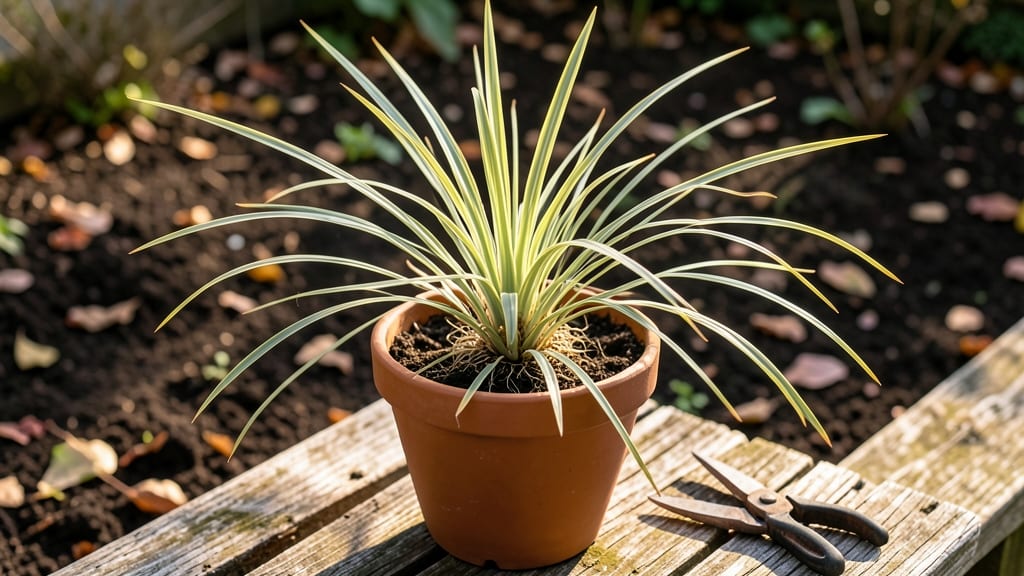
Lemon grass thrives with full sunlight—at least 6 hours of direct rays daily—to unlock its signature citrusy punch and robust growth.
Struggling to grow lush, fragrant lemon grass? Sunlight exposure is the #1 factor separating thriving plants from stunted ones—here’s how to get it right.
Too little light, and your 🌿 lemon grass will stretch weak stems toward any available glow, while too much can scorch its leaves. The key is finding that sweet spot where it soaks up just enough energy to grow tall and flavorful.
Below, I break down the ideal sunlight setup, how to spot trouble signs, and pro tips to maximize your harvest—whether you’re growing in a sunny patch or a shady container.

Optimal sunlight requirements for lemon grass growth
If you've ever struggled to grow fragrant lemon grass with those signature citrusy stalks, the culprit is likely sunlight exposure. This tropical grass thrives under bright, direct light—but too much or too little can stunt growth or reduce its essential oil production.
I've learned through trial and error (and a few sad, leggy plants) that 6-8 hours of sunlight is the golden rule for happy lemon grass.
Lemon grass isn't just picky—it's sun-dependent. When planted in full sun conditions, you'll see 3x faster growth and higher citronella oil content (the compound that makes it so valuable for pest control and cooking).
But here's the catch: partial shade can work in hot climates, but it often leads to weak stems and pale leaves that lack that signature punch.
To help you visualize the perfect setup, I've created a quick reference guide below that breaks down sunlight requirements by growing conditions, including container vs. in-ground and seasonal adjustments for those of us in cooler climates.
The light intensity matters just as much as the duration. Lemon grass loves bright, direct sunlight, but it can handle filtered light better than deep shade.
Think of it like a tropical beach plant—it craves that warm, golden glow but can get sunburned if exposed to intense afternoon sun without acclimation.
For container growers, I recommend placing pots on reflective surfaces like white gravel or light-colored decks. This bounces extra light onto the leaves, mimicking the tropical sunlight it thrives in.
Pro tip: If your balcony only gets morning sun, rotate the pot quarter-turns every 2-3 days to prevent lopsided growth.
Seasonal adjustments are key—especially if you're in a temperate climate. During summer months, lemon grass can handle up to 10 hours of sun, but in winter, even 4 hours of bright light can keep it alive (though growth will slow dramatically).
I've found that grow lights make a world of difference for indoor plants during short-day seasons.
One common mistake I see is assuming more sun is always better. While lemon grass loves light, scorched leaves or wilting stalks are signs of too much intensity.
If you notice yellow tips or crispy edges, move your plant to a slightly shadier spot—especially during peak afternoon hours when UV rays are strongest.
Here's a quick trick to test if your lemon grass is getting enough light: Crush a leaf and sniff it. If it lacks that zesty citrus aroma, your plant needs more bright light.
Healthy lemon grass should smell intense and fresh—like a mix of lemon and ginger. That aroma is your quality indicator!
For urban gardeners with limited space, prioritize south-facing windows or balconies. If your only option is a north-facing window, supplement with a full-spectrum LED grow light for 12-14 hours daily. I've had great success with 15W LED clips placed 6 inches above the plant.
Remember, consistency is key. Lemon grass adapts poorly to sudden light changes, so if you're moving it from indoors to outdoors, acclimate it gradually
Signs your lemon grass isn’t getting enough sunlight (and how to fix it)
If your lemon grass stalks are growing thinner than usual or the leaves lack their signature bright green color, sunlight deprivation might be the culprit. Lemon grass thrives on 6-8 hours of direct sunlight daily, and without it, your plant sends clear distress signals.
I’ve seen firsthand how weak stems and pale foliage develop when these tropical grasses don’t get enough light.
One of the first warning signs is yellowing leaves, especially on the lower stems. This happens because the plant struggles to produce chlorophyll efficiently without adequate light.
Even worse, the citrus aroma—the whole reason we grow lemon grass—becomes faint or disappears entirely when the plant isn’t getting enough sun. If you crush a leaf and it smells mild or bland, your lemon grass is definitely light-deprived.
⚠️ callout-warning
🚨 Emergency Sunlight Fixes for Lemon Grass
Act now: Move your plant to the sunniest spot (south-facing window or balcony) immediately. If indoors, place it within 3 feet of a bright window—no glass barriers! For container growers, rotate pots weekly to ensure even light exposure.
Grow lights: If natural light is insufficient, use a full-spectrum LED grow light 12-14 hours daily. Position it 6-12 inches above the plant and adjust as it grows.
Urgent pruning: Trim yellow or weak leaves to redirect energy. Never remove more than 1/3 of the plant at once.
If your lemon grass is leaning toward light sources, it’s stretching—another classic sign of light deficiency. This phenomenon, called etiolation, causes long, weak stems that can’t support themselves.
Over time, these stems may flop or break, especially if you’ve been growing your plant in a shady corner or under dappled sunlight from trees.
For outdoor growers, seasonal changes can trick you. In winter months, shorter daylight hours might force your lemon grass into a dormant-like state. If you notice slower growth or smaller leaves in late fall, it’s not necessarily a problem—just adjust your expectations.
However, if growth stops entirely or leaves turn brown, your plant needs more light or a winter grow light to supplement.
Don’t overlook the soil’s role in light absorption. Compacted or waterlogged soil can block sunlight from reaching the roots. If your lemon grass is in a container, ensure the pot isn’t too large—roots should fill 80% of the space within 6 months.
For in-ground plants, loosen soil annually in early spring to improve light penetration.
To revive light-starved lemon grass, start with a gradual transition. Move your plant to a sunnier spot for 2-3 hours daily, then increase exposure over 1-2 weeks. Avoid sudden changes, which can shock the plant.
Pair this with balanced fertilizer (10-10-10) to support new growth. Within 4-6 weeks, you should see deeper green leaves and stronger stalks—proof your lemon grass is finally getting the light it craves! 🌿