
Lawn
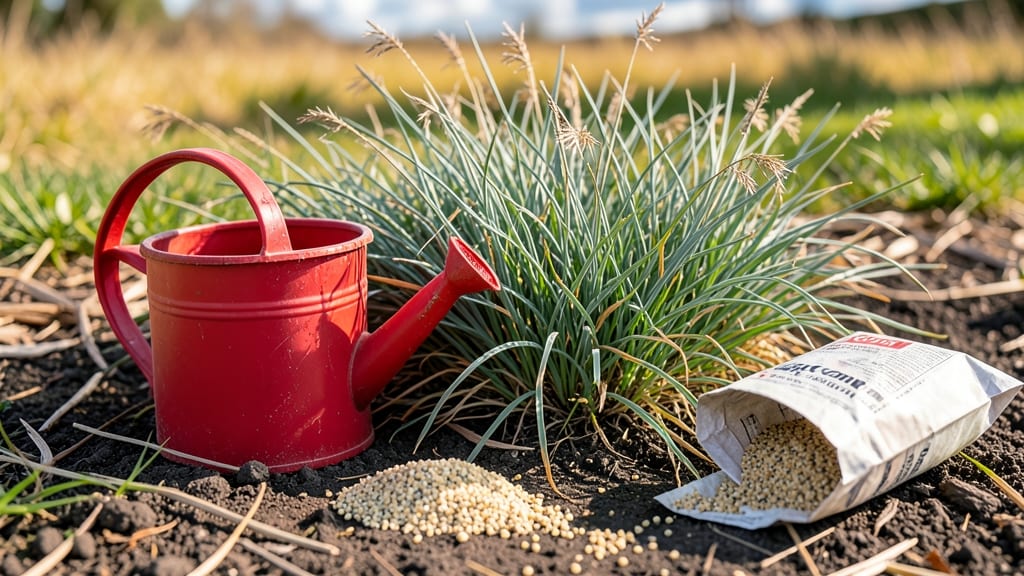
Learn how to turn brown grass green fast—your lawn can bounce back in weeks if you tackle the three sneaky fixes most people miss: watering, soil, and stress. 🌱 I’ve revived more lawns than I can count by zeroing in on these.
Most "solutions" just mask the problem, but these steps actually fix it. The first mistake? Assuming brown grass means "needs water." Overwatering suffocates roots, while deep, infrequent watering (1-1.5 inches per week) encourages deep growth.
A simple soil test reveals if your grass is thirsty, hungry, or smothered by compacted soil. My favorite trick? A fork test—if it feels like walking on a trampoline, your roots are struggling.
By the end of summer, you’ll see new green blades pushing through, and the lawn will stay lush through droughts. The key is consistency: adjust watering, feed the soil, and tackle pests before they take hold. This isn’t temporary color—it’s a lawn that stays green year after year.
Works for any grass type, from Kentucky bluegrass to fescue. Here’s how to diagnose and fix it for good.
Root Causes Of Dull Grass
Understanding why your grass turns brown is the first step to bringing it back to life. 🌱💧 Here’s a breakdown of the most common culprits—each with a clear scientific explanation and actionable insights to help you diagnose the issue.
Grass thrives on moisture, and when it doesn’t get enough, the blades dry out and turn brown. This isn’t just about thirst—it’s a survival mechanism.
When soil moisture drops below 30-40% of field capacity, grass roots struggle to absorb water, leading to wilting and browning (a condition called drought stress).
- How it happens: Grass roots rely on capillary action to pull water upward.
If the soil dries out too quickly (common in sandy soils or during heatwaves), the roots can’t keep up, causing blades to curl and brown from the tips downward. - Tell-tale signs: - Grass feels crispy or brittle when walked on. - Soil appears dry 1-2 inches below the surface (stick a screwdriver in—if it resists, you’re underwatering). - Browning starts at the highest points of the lawn (where water drains fastest).
Pro tip: 💡 Water deeply 1-2 times per week (1-1.5 inches total) rather than shallow daily sessions. Early morning (4-8 AM) is best to reduce evaporation.
Too much water can be just as harmful as too little. When soil stays soggy for days, oxygen levels drop, suffocating roots and inviting fungal diseases like Fusarium or Pythium. This leads to grayish-brown patches that feel spongy when pressed.
- How it happens: Grass roots need 10-20% air pockets in soil to breathe. Overwatering or compacted/clay-heavy soil traps water, cutting off oxygen.
Roots suffocate, and the grass turns brown as it lacks the energy to stay green. - Tell-tale signs: - Puddles linger for more than 24 hours. - Soil smells musty or rotten. - Brown patches appear low-lying or near sprinkler heads.
Pro tip: 🌡️ Test drainage by digging a 6-inch hole and filling it with water. If it drains in less than 4 hours, your lawn is fine. If it takes longer, amend soil with sand or compost to improve aeration.
Grass is like a high-performance athlete—it needs the right macronutrients (N-P-K) and micronutrients to stay vibrant. When soil lacks key elements, blades weaken, turn yellow, or brown prematurely.
| Nutrient | Deficiency Signs | Fix It With |
|---|---|---|
| Nitrogen (N) | Pale green/yellow blades, stunted growth | Slow-release fertilizer (20-0-5) |
| Phosphorus (P) | Dark green veins but weak roots, slow growth | Bone meal or rock phosphate (5-10-10) |
| Potassium (K) | Brown leaf tips, weak disease resistance | Wood ash or greensand (0-0-10) |
| Iron (Fe) | Yellowing between veins (chlorosis) | Chelated iron supplement |
| Zinc (Zn) | Stunted growth, white streaks on blades | Zinc sulfate spray or granules |
- How it happens: Over time, soil loses nutrients through lawn use, rain leaching, or poor fertilization.
Compacted soil also blocks root access to nutrients. - Tell-tale signs: - Uniform browning across the lawn (not patchy). - Slow recovery after mowing or foot traffic. - Soil test reveals pH outside 6.0-7.0 (locks out nutrients).
Pro tip: ✨ Conduct a soil test (DIY kits from garden centers) every 2-3 years. If pH is off, adjust with lime (to raise pH) or sulfur (to lower pH).
Insects, fungi, and bacteria can silently damage grass roots and blades, causing brown patches that spread like wildfire.
Common culprits include: - Grubs (white, C-shaped larvae that chew roots). - Chinch bugs (tiny black bugs that suck sap, leaving straw-like brown patches). - Fungal diseases (Brown Patch, Dollar Spot) thrive in hot, humid, or overwatered conditions.
- How it happens:
- Grubs feed on roots, causing grass to pull up easily.
- Chinch bugs target stressed grass (drought or overwatered).
- Fungi spread via spores in moist, shaded areas.
- Tell-tale signs:
- Grubs: Moles or skunks digging in the lawn.
- Chinch bugs: Brown circles with healthy grass at the edges.
- Fungi: Ring-shaped patches or matted, slimy grass.
Pro tip: 🔥 Dig up a small section of brown grass—if you see white grubs or black bugs, treat with beneficial nematodes or insecticidal soap. For fungi, apply copper fungicide at the first sign.
Foot traffic, pets, or heavy equipment can crush roots and compact soil, cutting off water and nutrients. This leads to bare spots or brown circles where grass refuses to regrow.
- How it happens:
- Compacted soil reduces air and water penetration by up to 50%.
- Pet urine burns grass due to high nitrogen concentration (like a chemical burn).
- Mowing too short weakens roots, making grass vulnerable to stress.
- Tell-tale signs:
- Brown patches in high-traffic areas (near doors, play zones).
- Soil feels hard as a rock when pressed.
- Grass grows back slowly or not at all after damage.
Pro tip: 👨🍳 Aerate compacted soil in fall (rent a core aerator) and overseed bare spots. For pet areas, train pets to use one spot and rinse urine immediately with water.
Extreme temperatures, lack of sunlight, or sudden freezes can shock grass into dormancy or browning. Unlike pests or water issues, this is temporary—but it still needs attention.
- How it happens:
- Heat/drought: Grass enters dormancy to conserve water (common in summer).
- Shade: Grass needs 4-6 hours of sunlight daily; too little causes weak, brown blades.
- Cold/frost: Sudden freezes can kill blades (though roots may survive).
- Tell-tale signs:
- Heat stress: Grass turns straw-colored but recovers with water.
- Shade stress: Thin, weak growth with brown tips.
- Frost damage: Crispy, white-tipped blades (common in early spring).
Pro tip: 🌡️ Adjust mowing height in summer (leave grass 3-4 inches tall) to retain moisture. For shade, plant shade-tolerant grass like Fine Fescue or use mulch to protect roots.
Revive Your Lawn With These Fixes
Now that you know the root causes behind your brown grass, it’s time to take action! Whether your lawn is suffering from drought, poor soil, pests, or seasonal stress, these practical solutions will help you restore that vibrant green.
Below, we’ve mapped out the best fixes for each common issue—plus tips to keep your lawn lush long-term.
If your grass is brown from lack of water, recovery starts with hydration—but don’t just drown it! Follow these steps for the best results:
🔥 Step 1: Deep Watering Sessions
- Water your lawn deeply 1-2 times per week (early morning is best).
- Aim for 1–1.5 inches of water per session—use a rain gauge or tuna can to measure.
- Avoid light, frequent watering, which encourages shallow roots.
🍳 Step 2: Improve Soil Moisture Retention
- Apply 2–3 inches of organic mulch (like compost or shredded leaves) to reduce evaporation.
- Consider a soil conditioner (like gypsum) if your soil is heavy clay or sandy.
🌱 Step 3: Gradual Recovery
- Brown patches may take 2–4 weeks to green up after consistent watering.
- Avoid mowing until grass is at least 50% green to prevent further stress.
💡 Pro Tip: If your area has water restrictions, try drip irrigation or soaker hoses for efficient hydration.
Brown grass often signals a lack of essential nutrients. Here’s how to feed your lawn properly:
🔥 Step 1: Test Your Soil
- Grab a DIY soil test kit (or send a sample to a local extension office) to check pH and nutrient levels.
- Ideal pH for most grasses: 6.0–7.0.
🍳 Step 2: Fertilize Correctly
- For nitrogen-deficient grass (yellowish-brown): Use a balanced fertilizer (like 10-10-10) or a quick-release nitrogen boost (e.g., urea).
- For iron-deficient grass (yellowing): Apply iron sulfate or a chelated iron supplement.
- For slow-release nutrition: Opt for organic fertilizers (like composted manure or bone meal).
👨🍳 Step 3: Aerate & Overseed (If Needed)
- If soil is compacted, rent a core aerator to loosen it up.
- Thin or bare spots? Overseed with high-quality grass seed in late summer or early fall.
🌡️ Pro Tip: Avoid over-fertilizing—too much can burn grass and harm the environment. Follow label instructions!
Grubs, fungi, and insects can turn grass brown overnight. Here’s how to combat them:
🔥 Step 1: Identify the Problem
- Grubs? Dig up a small patch—if you see white, C-shaped larvae, treat for grubs.
- Fungal disease? Look for circular brown patches with mushrooms or slimy spots.
- Chinch bugs? Check for tiny black bugs on blades (common in hot, dry weather).
🍳 Step 2: Apply Targeted Treatments
- Grubs: Use beneficial nematodes or a grub-specific insecticide (like imidacloprid).
- Fungal issues: Apply a fungicide (like propiconazole) and improve airflow by thinning dense grass.
- Chinch bugs: Treat with neem oil or carbaryl-based insecticide.
🔪 Step 3: Prevent Future Infestations
- Mow high (3–4 inches) to discourage pests.
- Water deeply but less frequently to avoid fungal growth.
- Dethatch if thatch buildup is trapping moisture.
✨ Pro Tip: Encourage natural predators like birds and ladybugs by keeping a diverse lawn ecosystem!
Cold snaps, heatwaves, and foot traffic can all take a toll. Here’s how to bounce back:
🔥 Step 1: Adjust Mowing Height
- Winter: Raise mower blades to 3–4 inches to protect roots.
- Summer: Keep grass taller (3–4 inches) to shade soil and retain moisture.
🍳 Step 2: Protect from Foot Traffic
- Restrict play on brown patches until grass recovers.
- Use walkways or stepping stones in high-traffic areas.
🌡️ Step 3: Shield from Extreme Weather
- Heat stress? Water early morning and use shade cloth if needed.
- Winter kill? Wait until spring to reseed—cold-damaged grass may recover on its own.
🎯 Pro Tip: A light layer of straw mulch in winter can insulate roots and prevent freeze-thaw damage.
Final Thought: Patience is key—some fixes (like deep watering or overseeding) take time to show results. Stick with it, and your lawn will be back to its vibrant best in no time! 🌿✨
Frequently asked questions
How quickly can I expect to see results after fixing brown grass?
With proper care, you'll typically see green growth within 2-4 weeks for water-related issues. Nutrient deficiencies may take 4-6 weeks to show improvement, while pest treatments can show results in 1-2 weeks. Consistency is key—don't expect overnight miracles!
Can I use coffee grounds to revive brown grass?
Yes, but with caution! Coffee grounds add nitrogen and improve soil structure, but they can also make soil too acidic if overused. Mix them into your compost first, then spread 1/4 inch over your lawn and water thoroughly. Test soil pH first—if it's already below 6.0, use sparingly.
Is it better to water brown grass in the morning or evening?
Morning (between 4-8 AM) is ideal because it reduces evaporation and gives grass time to dry before evening. Evening watering can promote fungal growth. If you must water in the evening, do it at least 2 hours before sunset to allow the lawn to dry.
What's the best time of year to overseed brown patches?
The perfect window is late summer to early fall (August-September in most climates). This gives new grass time to establish roots before winter. For warm-season grasses, overseed in late spring. Avoid overseeding during extreme heat or cold—roots need stable temperatures to grow.
Will my brown grass ever come back green if it's been dead for months?
If the roots are still alive (test by pulling a small patch—if roots come up easily, they're dead), you'll need to overseed the area. If roots are completely gone, you'll need to remove the dead grass, amend the soil, and plant fresh seed. The key is preparing the soil properly before planting.