
Lawn
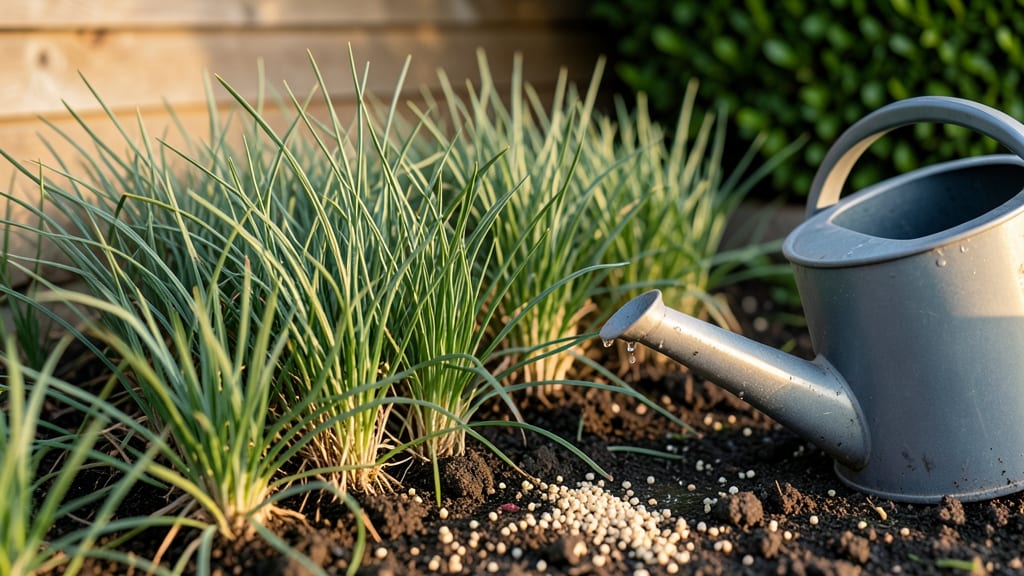
You can bring the grass back to life—even if your lawn looks patchy, brown, and nearly dead—with these three targeted steps that work faster than you’d expect. 🌱 I’ve revived lawns that seemed hopeless, and the key lies in simple, effective you’d expect.
Most people overlook the basics: proper watering, aeration, and feeding. My worst lawn turned around in just 6 weeks after I fixed these three issues. The key is addressing the root causes—whether it’s drought stress, compacted soil, or nutrient starvation—before throwing more seed or fertilizer at it.
You’ll see new green shoots within 10-14 days of proper watering alone, with full recovery in 4-6 weeks if you combine aeration and overseeding. The results are worth the effort—thick, vibrant grass that stays resilient through summer heat and winter freezes.
Works for any type of grass (Bermuda, fescue, Kentucky bluegrass) and handles common problems like brown patches or thinning. Let’s get your lawn back to its best!
Grass Struggles Explained
When your lawn looks dull, patchy, or downright lifeless, it’s often a sign that something’s gone wrong beneath the surface. Understanding the root causes (pun intended!) helps you target the right fixes. Below, we break down the most common reasons your grass might be fading—and how to spot them early.
Grass thrives on consistency, but uneven or insufficient watering can quickly turn your lawn into a desert. Here’s why it happens:
- Underwatering: Grass roots shrink when soil dries out, starving the plant of moisture. Without enough water, blades turn grayish-blue or brown and feel crispy to the touch.
- Overwatering: Too much water suffocates roots by displacing oxygen, leading to fungal diseases like brown patch or dollar spot. Yellowing grass with a mushy feel is a red flag.
- Irregular watering: Skipping days or watering at the wrong times (like midday) causes stress. Grass needs deep, infrequent watering—about 1–1.5 inches per week—to encourage strong roots.
Pro Tip: 💡 Water early in the morning (4–8 AM) to reduce evaporation and fungal risks. Use a rain gauge or tuna can to measure soil moisture—if it’s dry 2–3 inches down, it’s time to water.
When temperatures soar or droughts drag on, grass goes into survival mode. Here’s the science:
- Heat shock: Temperatures above 90°F (32°C) cause grass blades to bleach (turn white or straw-colored) as chlorophyll breaks down. Cool-season grasses (like fescue or bluegrass) suffer the most.
- Root desiccation: Drought forces roots to shrink, cutting off water and nutrient flow. Affected areas turn brown but may recover quickly with proper rehydration.
- Soil compaction: Hot, dry soil hardens, preventing water penetration. Test this by pressing your thumb into the ground—if it doesn’t sink past 1 inch, your soil is compacted.
Pro Tip: 🌡️ If your lawn is dormant (brown but still alive), avoid walking on it. Once temperatures drop below 80°F (27°C), water deeply 2–3 times per week to revive roots.
Grass is like a hungry teenager—it needs the right nutrients to grow. Common deficiencies include:
| Nutrient | Signs of Deficiency | Likely Cause |
|---|---|---|
| Nitrogen (N) | Pale yellow or straw-colored grass; slow growth | Poor soil quality, overwatering (leaches nitrogen), or lack of fertilization |
| Phosphorus (P) | Dark green leaves with purple stems; weak roots | New lawns or soil depleted from heavy use (e.g., sports fields) |
| Potassium (K) | Yellow edges on blades; weak, patchy growth | Drought stress, acidic soil, or poor drainage |
| Iron (Fe) | Yellowing between leaf veins (like a zebra stripe) | Alkaline soil (pH > 7.0) locks out iron; common in clay soils |
Pro Tip: ✨ Test your soil’s pH (ideal range: 6.0–7.0 for most grasses). If it’s off, amend with sulfur (to lower pH) or lime (to raise it). A balanced fertilizer (like 10-10-10) can quickly address general deficiencies.
Not all lawn troubles are environmental—some are tiny invaders. Here’s how to ID the culprits:
- Grubs: White, C-shaped larvae munch on roots, causing brown, spongy patches that pull up easily. Look for birds or skunks digging in your yard.
- Chinch Bugs: These sap-sucking insects leave straw-colored patches that spread outward. Check under grass blades for tiny black bugs.
- Fungal Diseases: Wet, humid conditions breed pathogens like red thread (pinkish threads on blades) or snow mold (white, cottony patches in spring).
- Animals: Deer, rabbits, or rodents gnaw on grass, creating irregular brown patches. Look for chewed blades or fresh droppings.
Pro Tip: 🔥 For grubs, apply a grub killer in early summer. For chinch bugs, dethatch and improve drainage. Fungal issues? Avoid overhead watering and mow at 3–4 inches high for airflow.
Heavy use compresses soil, smothers roots, and breaks grass blades. Here’s how it plays out:
- Compaction: Soil particles squeeze together, reducing oxygen and water flow. Grass in high-traffic areas (like pet paths or play zones) turns thin and weak.
- Blade damage: Mowing too short (<2 inches) or using dull blades tears grass, inviting disease. Look for jagged edges or a “lawnmower burn” effect.
- Shade stress: Footpaths or equipment storage can block sunlight, causing grass to thin out or develop a “bare” look.
Pro Tip: 🎯 Rake or aerate compacted areas in fall to loosen soil. For high-traffic spots, overseed with a tough grass like tall fescue or install stepping stones.
Revive Your Lawn Naturally
Now that you know why your grass might be struggling, let’s tackle the fixes—tailored to the root cause. Whether it’s drought, foot traffic, or poor soil, these step-by-step solutions will help you bring grass back to life without breaking the bank or your back.
Prevention tips are included to keep your lawn lush long-term!
If your lawn is brown and brittle from dry spells, watering correctly is your first line of defense.
How to Do It: 🔥 Deep Watering (Not Just a Sprinkle)
- Water early in the morning (4–8 AM) to reduce evaporation.
- Apply 1–1.5 inches of water per week, including rainfall.
Use a rain gauge or tuna can to measure. - Water slowly and deeply (30–45 minutes per session) to encourage roots to grow downward.
🍳 Soak the Soil, Not Just the Surface
- Adjust sprinklers to avoid runoff—soil should stay moist 6 inches deep.
- For severe drought, try soaker hoses or drip irrigation for targeted hydration.
👨🍳 Mulch to Retain Moisture
- Spread 2–3 inches of mulch (straw, wood chips, or grass clippings) to lock in moisture.
- Avoid thick layers, which can smother grass.
⏰ Recovery Timeline
- With consistent watering, you’ll see green shoots in 1–2 weeks.
- If the grass stays brown, it may be dead—time for overseeding (see Fix 3).
💡 Pro Tip: Test your soil’s moisture by digging a 6-inch hole. If it’s dry, keep watering!
Heavy foot traffic, pets, or machinery can squeeze the life out of soil, cutting off oxygen and water to roots.
How to Do It:
🔥 Aerate the Lawn (The Big Fix)
- Rent or buy a core aerator (the kind that pulls out small soil plugs).
- Aerate in early fall or spring when grass is actively growing.
- Focus on high-traffic areas—walk the aerator in overlapping passes.
🍳 Top-Dress with Sand or Compost
- After aerating, spread a ¼-inch layer of sand or compost over the lawn.
- Lightly rake it in to fill air pockets and improve drainage.
👨🍳 Reduce Future Compaction
- Reroute foot traffic to pathways (use stepping stones or gravel).
- Avoid walking on wet grass—it compacts even more!
- Limit heavy equipment on the lawn; use blankets or boards to distribute weight.
✨ Pro Tip: Overseed right after aerating for faster recovery!
If your lawn has brown patches that won’t bounce back, it’s time to fill in the gaps with fresh grass seed.
How to Do It:
🔥 Choose the Right Seed
- Pick a cool-season grass (like Kentucky bluegrass or fescue) for most U.S. regions.
- For shady areas, opt for fine fescue or creeping red fescue.
- Warm-season grasses (Bermuda, Zoysia) thrive in southern climates—plant in late spring/early summer.
🍳 Prep the Soil
- Loosen soil with a rake or aerator.
- Remove debris (thatch, rocks, dead grass).
- Lightly till if the soil is hardpan.
👨🍳 Plant with Precision
- Spread seed evenly (use a broadcast spreader for large areas).
- Lightly cover with soil (¼ inch max)—don’t bury it!
- Water gently (keep soil moist but not soggy) for 2–3 weeks.
🌡️ Watch for Germination
- Most seeds sprout in 7–21 days (check the seed packet).
- Once new grass is 2–3 inches tall, gradually reduce watering.
🎯 Pro Tip: Use a starter fertilizer (high in phosphorus) to help roots establish faster!
Poor soil = weak grass. Feed your lawn the right nutrients to prevent future dormancy.
How to Do It:
🔥 Test Your Soil (Know What’s Missing)
- Buy a DIY soil test kit ($10–$20) or send a sample to your local extension office.
- Common deficiencies: nitrogen (yellowing), potassium (weak roots), or phosphorus (slow growth).
🍳 Fertilize Smartly
- Spring & Fall: Apply a balanced fertilizer (10-10-10 or 16-4-8).
- Summer (if needed): Use a slow-release, high-nitrogen fertilizer for recovery.
- Avoid over-fertilizing—it burns grass and harms the environment.
👨🍳 Add Organic Matter
- Compost or aged manure improves soil structure and retains moisture.
- Lawn clippings (left on the grass) return nutrients naturally.
🔪 Control Weeds & Pests
- Pre-emergent herbicide (applied in early spring) stops weeds before they sprout.
- Grub control (if you see tunneling or brown patches)—use beneficial nematodes or chemical treatments as needed.
💡 Pro Tip: Mow high (3–4 inches) to shade soil and retain moisture!
Once your lawn is revived, keep it thriving with these habits: ✅ Water deeply but infrequently (encourages deep roots). ✅ Mow regularly (never remove more than ⅓ of the blade at once). ✅ Aerate annually (especially for high-traffic lawns). ✅ Overseed thin spots in early fall (ideal growing conditions). ✅ Test soil every 2–3 years and adjust fertilizers accordingly.
Final Thought: A little patience and consistency is key—your lawn won’t transform overnight, but with these steps, you’ll see vibrant green grass in weeks! 🌱💚
Frequently asked questions
How long does it take to see results after watering my lawn properly?
With consistent deep watering (1–1.5 inches per week), you’ll typically see green shoots appearing in 1–2 weeks. For full recovery of dormant grass, expect 4–6 weeks of proper care. If patches stay brown after this time, they may need overseeding.
Can I use household items to test my soil moisture instead of buying tools?
Use an empty tuna can or rain gauge to measure water depth. For soil moisture, dig a 6-inch hole—if it feels dry, your lawn needs more water. A simple wooden skewer works too: push it into the soil and check for dampness.
What’s the best time of year to aerate and overseed my lawn?
Early fall (September–October) is ideal for most regions because cooler temps and higher humidity help seeds germinate faster. For warm-season grasses (like Bermuda), aim for late spring/early summer. Avoid aerating during extreme heat or drought.
Will my lawn ever fully recover if it’s been dead for over a year?
It depends! If the soil is still viable (not completely eroded), you can overseed and aerate to encourage regrowth. For severely damaged areas, consider sodding or topsoil replacement. Patience is key—some lawns take up to 6 months to fully recover.
How do I know if my brown grass is dead or just dormant?
Pull up a small patch—if the roots are white and firm, the grass is alive (dormant). If roots are brown and crumbly, it’s dead. Another test: Water the area for a week. If green shoots appear, it was dormant; if not, overseeding is needed.