
Lawn
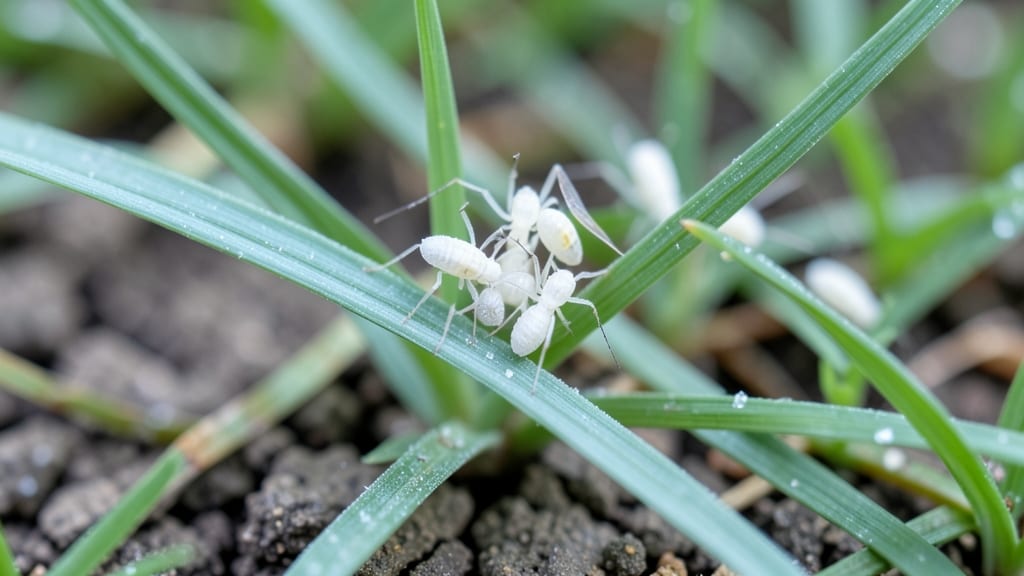
Finding tiny white bugs hopping in your grass isn’t just annoying—it’s a sign your lawn’s health needs attention. 🌱 These little invaders, whether springtails, fungus gnats, or fleas, thrive in damp soil and can multiply fast if ignored. The good news?
Most don’t harm plants, but their presence often means your lawn’s moisture or organic matter is out of balance. The first step is identifying them: springtails love moisture and jump when disturbed, while fungus gnats breed in wet soil, and fleas might mean your pets (or neighbors’) are nearby.
Grab a magnifying glass and check their size and behavior—this tells you exactly how to tackle them. Overwatering or thick thatch usually fuels the problem, so fixing those issues cuts off their food source.
You’ll eliminate them with simple fixes: reduce watering, improve drainage, and apply diatomaceous earth or nematodes for organic control. For stubborn cases, insecticidal soap or milky spore works—but test a small patch first. The goal isn’t just to kill them but to make your lawn less inviting for future visitors.
Prevention is about balance: aerate annually, mow high, and avoid over-fertilizing. If bugs keep coming back, it’s time to dig deeper—maybe your soil’s pH or compaction is the real issue.
Most homeowners solve this in a weekend, but if they persist, call a pest pro to rule out termites or other hidden threats.
Why it happens
Those tiny white bugs in grass aren’t just random visitors—they’re drawn to your lawn for specific reasons tied to biology, environment, and even human habits. Understanding these triggers helps you address the root cause instead of just treating symptoms. Here’s why your grass becomes a buffet for these minuscule pests:
Moisture-loving insects like springtails and fungus gnats thrive in soggy conditions. Here’s why:
- Breeding grounds: Excess water creates a thin film on soil, perfect for springtails to lay eggs. Their larvae hatch in 48–72 hours under ideal moisture.
- Fungal food: Damp grass fosters mold and decaying organic matter, which fungus gnat larvae eat. Think of it as a tiny, white composting crew gone rogue.
- Actionable fix:
- Test soil moisture with your finger—if the top 1–2 inches stay wet for >24 hours, reduce watering.
- Improve drainage by aerating compacted soil (use a core aerator in spring/fall).
- Rake grass clippings off the lawn to prevent thatch buildup, which traps moisture.
Leaves, mulch, and even pet waste create a protein-rich buffet for white bugs like sow bugs (pill bugs) and white grubs. Here’s the science:
- Nutrient magnet: Decomposing plant material releases ammonia and sugars, which attract detritivores (bugs that eat dead stuff). Sow bugs roll into balls to conserve moisture but love damp, decaying leaves.
- Grub hotspots: White grubs (larvae of beetles) tunnel into grass roots because they’re feeding on roots—which thrive in soil rich with organic debris.
- Actionable fix:
- Remove leaf litter and mulch piles from the lawn’s edge. Compost them elsewhere.
- Rake up pet waste immediately—urine and feces fertilize fungal growth, which bugs adore.
- Apply corn gluten meal (a natural pre-emergent) in early spring to starve grubs before they hatch.
Shady lawns with thick thatch layers become bug magnets because they mimic the bugs’ natural habitats. Here’s how:
- Thatch = bug condo: A thatch layer >0.5 inches thick traps moisture, blocks sunlight, and creates a microclimate where springtails and fungus gnats thrive. It’s like a tiny, damp hotel for them.
- Weak grass = easy prey: Shady areas often have thin, stressed grass, which bugs like chinch bugs (tiny white/black bugs) target to suck out juices.
- Actionable fix:
- Mow higher (3–4 inches) in shady spots to shade the soil and reduce evaporation.
- Dethatch in early spring using a rake or vertical mower. Aim for a thatch layer <0.25 inches.
- Overseed with shade-tolerant grass like fine fescue or creeping red fescue to crowd out bugs.
Over- or under-fertilizing throws off your lawn’s ecosystem, making it more attractive to pests. Here’s the connection:
| Fertilizer Issue | Bug Benefit | |
|---|---|---|
| Excess nitrogen | Fungus gnats, springtails | Nitrogen-rich soil boosts fungal growth, which these bugs eat. It’s like fast food for them. |
| Low potassium | White grubs, chinch bugs | Potassium-stressed grass has weaker roots, making it easier for grubs to munch. Bugs also prefer stressed plants. |
| Pesticide overuse | All white bugs (they’re pesticide-resistant) | Killing off predators (like ground beetles) removes natural bug control, leading to population explosions. |
Actionable fix:
- Test soil pH and nutrients annually (use a DIY kit or lab test). Aim for pH 6.0–7.0.
- Use slow-release, balanced fertilizers (e.g., 10-10-10 or organic options like compost tea).
- Avoid synthetic pesticides—opt for neem oil or beneficial nematodes to target bugs without harming the ecosystem.
Even well-meaning lawn care can invite white bugs. Common culprits:
- Overwatering: Watering daily or in the evening keeps soil soggy, perfect for moisture-lovers.
- Leaving grass clippings: Thatchy clippings smother grass and create a damp layer bugs adore.
- Ignoring pet waste: Dog urine burns grass, creating bare spots where bugs lay eggs.
- Using fresh mulch near lawns: Wood chips leach nitrogen and attract fungus gnats.
Actionable fix: Adjust these habits immediately—small changes make a huge difference!
How to Fix It Naturally
Discovering tiny white bugs in your grass can feel like an unwelcome invasion, but the good news is that most infestations can be managed—even eliminated—without harsh chemicals. Below, we’ve mapped out targeted solutions based on the most common culprits (like springtails, fungus gnats, or fleas) and their triggers.
Each fix is designed to be practical, eco-friendly, and effective, with bonus prevention tips to keep your lawn bug-free long-term.
These moisture-loving pests thrive in damp, organic-rich grass. To tackle them:
- ✅ Reduce Moisture
- 💡 Pro Tip: Water your lawn deeply but infrequently (1–1.5 inches per week). Avoid daily light sprinkles, which create the perfect springtail buffet. Use a rain gauge or tuna can to measure—your grass will thank you!
- If your soil feels soggy, aerate it to improve drainage. Rent a core aerator or hire a pro for stubborn spots.
- ✅ Remove Organic Debris
- Rake up thick layers of thatch, leaves, or mulch near your lawn’s edges. Springtails hide in these cozy layers—deprive them of their hotel!
- 🌡️ Heat Treatment: For severe infestations, let the sun do the work. Mow your lawn on a sunny day and leave the clippings in the sun for a few hours to dry them out.
- ✅ Diatomaceous Earth (DE)
- Sprinkle food-grade DE lightly over the grass (avoid windy days). It’s a natural desiccant that dehydrates springtails without harming plants or pets—just reapply after rain.
These delicate white bugs love overwatered, compost-rich soil. Outsmart them with these steps:
- ✅ Adjust Watering Habits
- Let the top inch of soil dry out between waterings. Use a screwdriver to test moisture—if it slides in easily, it’s too wet.
- 🎯 Targeted Fix: If you have potted plants or a vegetable garden, avoid overhead watering. Use drip irrigation or soaker hoses instead.
- ✅ Yellow Sticky Traps
- Place yellow sticky cards near infested areas. Fungus gnats are attracted to the color and get stuck—remove and replace traps weekly.
- ✅ Beneficial Nematodes
- These microscopic predators hunt fungus gnats in the soil. Mix them with water and apply in the evening for best results. 💡 Pro Tip: Reapply every 4–6 weeks during warm months.
- ✅ Bacillus Thuringiensis Variety Israelensis (Bti)
- A natural bacteria-based solution (like Mosquito Bits), Bti kills fungus gnat larvae without affecting other insects. Sprinkle granules on soil and water lightly.
Fleas jump from pets to grass, creating a vicious cycle. Break it with these steps:
- ✅ Treat Your Pet First
- Use veterinary-approved flea treatments (oral, topical, or collars). Fleas in the grass won’t stick around if their host is protected.
- 🔪 Deep Clean: Wash pet bedding in hot water weekly and vacuum carpets/furniture thoroughly.
- ✅ Diatomaceous Earth or Sand
- Lightly dust DE over flea-prone areas (like pet play zones) or spread a thin layer of sand. Both disrupt fleas’ exoskeletons. Reapply after rain.
- ✅ Nematodes or Insect Growth Regulators (IGRs)
- Apply beneficial nematodes or IGRs (like GrubEx) to the lawn. IGRs prevent flea eggs from hatching, while nematodes attack larvae.
- ✅ Regular Mowing
- Keep grass short (2–3 inches) to reduce flea hiding spots. Fleas prefer tall, shady grass—deny them their favorite lurking grounds.
An ounce of prevention is worth a pound of pesticide-free frustration. Keep these habits in your lawn-care routine:
- 🌱 Improve Soil Health
- Test your soil’s pH and nutrient levels. Amend with compost or organic fertilizer to make your grass stronger—healthy grass resists pests better!
- ✨ Bonus: Overseed bare spots in fall to fill gaps where bugs might take root.
- 🌧️ Smart Irrigation
- Water early in the morning (before 10 AM) to let grass dry quickly. Avoid evening watering, which prolongs moisture and attracts pests.
- 🔪 Regular Maintenance
- Mow weekly, sharpen your mower blade, and remove debris promptly. A well-maintained lawn is less inviting to tiny invaders.
- 🐝 Encourage Natural Predators
- Attract birds, toads, and ground beetles by planting native flowers or leaving a small wild area. These critters dine on springtails, gnats, and flea larvae—nature’s pest control!
- 🚫 Avoid Chemical Overuse
- Harsh pesticides can kill beneficial insects and disrupt your lawn’s ecosystem. Start with natural methods before reaching for chemicals.
Most tiny white bugs in grass are a sign of an underlying issue—whether it’s too much moisture, poor drainage, or a lack of maintenance. By addressing the root cause and using these targeted fixes, you’ll reclaim your lawn without resorting to extreme measures. 💡 Remember: Consistency is key.
Combine one or two solutions for a few weeks, monitor progress, and adjust as needed. Your grass will be bug-free in no time!
Frequently asked questions
Are these tiny white bugs harmful to my lawn?
Most tiny white bugs like springtails and fungus gnats are harmless to grass itself, but their presence often signals underlying issues like overwatering or poor drainage. While they don't damage healthy lawns, their rapid reproduction can become a nuisance. Focus on fixing moisture problems rather than killing the bugs directly.
How can I tell if they're fleas or something else?
Fleas are tiny but usually darker and jump actively when disturbed. If you see them on pets or notice them hopping in the grass, they're likely fleas. Other white bugs like springtails or fungus gnats are much smaller (1/16 inch), don't jump, and thrive in damp soil rather than on animals.
Will diatomaceous earth work for all types of white bugs?
Food-grade diatomaceous earth is effective against springtails, fungus gnats, and fleas, but you'll need to apply it differently. For springtails, sprinkle lightly on dry grass. For fungus gnats, mix it into soil. For fleas, focus on pet areas. Reapply after rain or watering, as it loses effectiveness when wet.
How long does it take to eliminate an infestation?
With consistent treatment, you should see noticeable improvement in 7-14 days. For severe cases, combine methods like reducing moisture, applying diatomaceous earth, and using beneficial nematodes. Monitor weekly and adjust your approach if bugs persist beyond 3 weeks—this may indicate deeper soil issues.
Can I use vinegar or soap to kill these bugs?
While vinegar or insecticidal soap can kill individual bugs, they're not ideal for lawn treatment. Vinegar can harm grass over time, and soap solutions require frequent reapplication. For better results, use targeted methods like diatomaceous earth or nematodes that work at the soil level where these bugs breed.