
Pruning
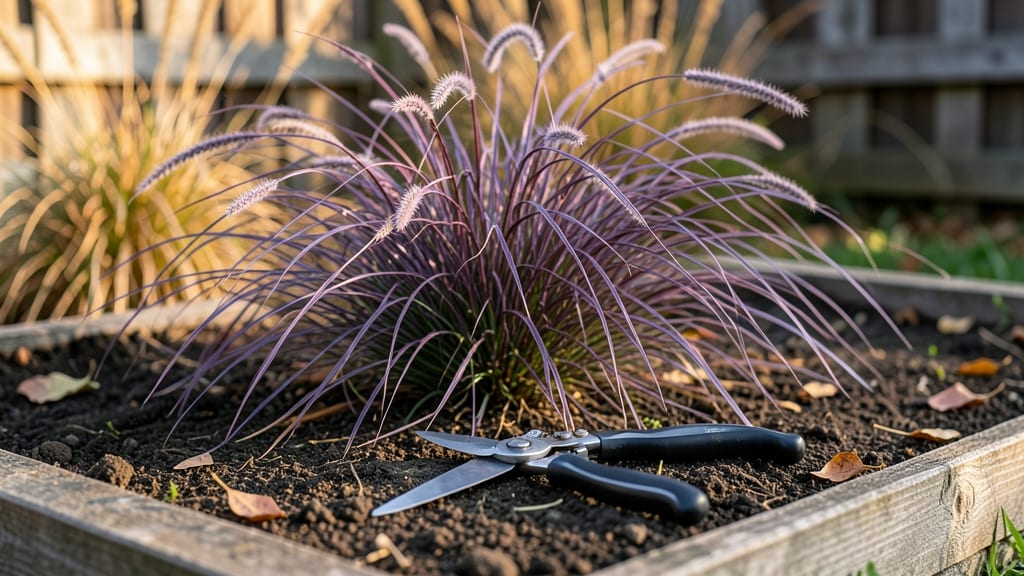
Trimming purple fountain grass is the secret to keeping it looking like a velvety purple cloud all year long. ✂️ I’ve learned the hard way that skipping this step leads to straggly, leggy clumps—so I now make it a ritual every late winter, right before new growth appears.
The key isn’t just cutting back but doing it smartly to encourage that signature bushy shape. You’ll need sharp pruners or shears (dull blades tear the grass), gloves for those prickly stems, and a clear day to see what you’re doing.
The goal is to cut back about one-third of the plant’s height, focusing on the oldest, most woody stems first. This opens up the center for air circulation and lets sunlight reach the base, where fresh growth starts.
After trimming, you’ll notice new shoots emerging within 2-3 weeks, and by summer, your grass will be fuller and more vibrant than ever. The secret? Never cut into bare stems—always leave a little green growth to protect the plant.
Over-trimming in spring can kill it, while waiting too long lets it get ragged. This method works for all seasons, though late winter is ideal. In fall, you can give it a light tidy-up, but avoid heavy cuts then. Now grab those shears—your grass is about to transform!
📚 In This Guide
- What you need
- Instructions
- Tips and common mistakes
- Wrapping up and next steps
What you need
- ● Sharp pruning shears – Choose bypass pruners (8–10 inches) for clean cuts. Dull blades crush stems and damage the plant.
- ● Hand pruners or hedge shears – For finer details, especially if your grass is dense or overgrown.
- ● Heavy-duty gloves – Protect your hands from sharp edges and thorns (if your variety has them). Opt for gardening gloves with reinforced palms.
- ● Rake or leaf blower – To clear debris after trimming. A plastic rake works well for small areas.
- ● Garden hose or watering can – Dampen the grass slightly before trimming to reduce dust and make cuts cleaner.
- ● Measuring tape or ruler – Helps maintain consistent height, especially for formal shapes.
- ● String or garden twine – Tie it to your shears or a stake to mark your desired height for uniformity.
- ● Knee pads or stool – For comfort if your grass is tall or the ground is uneven.
- ● Disinfectant spray (70% isopropyl alcohol) – Wipe down tools between cuts to prevent disease spread.
- ● Compost bag – Collect clippings for mulch or disposal.
Step-by-Step instructions for trimming purple fountain grass
Here's how to keep your purple fountain grass looking lush and contained all year—no guesswork involved.
✂️ Step 1: Time Your First Cut for Late Winter
Trim your purple fountain grass in late winter (around February) when new growth begins but before it gets too tall. You'll notice fresh green shoots emerging at the base—this is your signal. Cutting too early can damage dormant growth, while waiting too long lets the grass become unruly.
Use sharp pruning shears to make clean cuts at a 45-degree angle about 2-3 inches above the ground. This angle helps water run off the plant and prevents rot. I always wear gloves—those blades are sharp, and fountain grass can be prickly when dry.
✂️ Step 2: Shape Throughout the Growing Season
After the first cut, maintain the shape by trimming every 4-6 weeks during the growing season. Focus on removing only the outer fronds that have turned brown or lost their vibrant color. Never cut more than one-third of the plant at once—this keeps it healthy and prevents stress.
For a neat, rounded shape, trim the outer edges first, then work inward. Watch for new growth at the center—this is where the plant stays fullest. If you see leggy stems reaching outward, trim them back to encourage denser growth. Always leave the innermost leaves intact to protect the plant's core.
✂️ Step 3: Clean Up in Fall Before Dormancy
In late fall, after the first frost, trim the grass back by half to remove dead foliage. This prepares the plant for winter and prevents disease. Cut just above the new growth nodes—you'll see small buds forming at the base. Avoid cutting into old, woody stems, as this can harm the plant.
Remove all trimmings from the area to reduce pests and diseases. I like to compost the clippings, but only if the grass was healthy—diseased material should go in the trash. After trimming, give the base a light watering to help it recover before dormancy.
✂️ Step 4: Refresh in Early Spring for Year-Round Beauty
In early spring, give your fountain grass a final trim before new growth really takes off. Cut back any brown or damaged fronds to reveal fresh, purple-green shoots. This is also the time to reshape if the plant has grown unevenly over winter. A light trim now encourages fuller growth for the season.
Pay attention to the center—if it looks sparse, trim the outer edges more aggressively to redirect energy inward. Water deeply after trimming to help the plant bounce back. With consistent care, your purple fountain grass will stay vibrant and well-shaped all year.
Tips & tricks for perfect purple fountain grass trimming
Keeping your purple fountain grass looking its best takes just a few smart tricks—here's what nobody tells you about maintaining that signature shape.
Timing is Everything: The late winter trim in Step 1 is your foundation—wait until you see those fresh green shoots at the base, but don't delay past February or you'll lose control. I've learned this the hard way after watching grass grow unruly when cut too late. The 45-degree angle cut mentioned in Step 1 isn't just aesthetic; it's crucial for water runoff that prevents rot at the base.
Seasonal Maintenance Secret: During the growing season (Step 2), I focus on the "thirds rule"—never remove more than one-third of the plant at once. This keeps the grass healthy and prevents stress. For shaping, start with the outer edges and work inward—this preserves the plant's natural growth pattern while creating that perfect rounded silhouette. The center growth is your plant's lifeline, so always protect those innermost leaves.
Fall Cleanup Strategy: When you trim back by half in late fall (Step 3), look for those small buds at the base—they're your new growth nodes. Cutting just above them ensures you're not damaging the plant's future growth. I've found that composting healthy clippings works great, but only if you're certain there's no disease present. A light watering after trimming helps the plant recover before winter dormancy.
Spring Refresh Technique: Early spring is your chance to reveal that vibrant purple-green growth. If your center looks sparse after winter, aggressively trim the outer edges to redirect energy inward. This might seem counterintuitive, but it's how you encourage that lush, full look. Water deeply after this trim to help the plant bounce back for the growing season.
Pro Tips for Trim Purple Fountain Grass
- Keeping your purple fountain grass looking its best takes just a few smart tricks—here's what nobody tells you about maintaining that signature shape.
- Timing is Everything: The late winter trim in Step 1 is your foundation—wait until you see those fresh green shoots at the base, but don't delay past February or you'll lose control.
- Seasonal Maintenance Secret: During the growing season (Step 2), I focus on the "thirds rule"—never remove more than one-third of the plant at once.
Frequently asked questions
about trimming purple fountain grass—get quick answers to common concerns!When is the best time to trim purple fountain grass?
Trim purple fountain grass in late winter or early spring (just before new growth starts) to shape it for the year. A second light trim in mid-summer helps maintain neatness. Avoid trimming in fall—it needs foliage to protect roots through winter.
How short can I cut purple fountain grass?
Never cut more than 1/3 of the plant’s height—this keeps it healthy. For mature plants, aim to leave 12–18 inches of growth. Over-trimming weakens the grass and may kill it. Use sharp shears for clean cuts!
What if my purple fountain grass turns brown after trimming?
Brown tips after trimming? It’s often due to stress from cutting too late in the season or using dull tools. Wait until spring to trim next time, and water deeply afterward. Brown patches may also signal underwatering or pests—check roots if it persists.
Can I trim purple fountain grass in fall?
No—trimming in fall or winter removes protective foliage, leaving roots vulnerable to cold. Instead, lightly rake away dead fronds in early spring to tidy up. If you must trim, do it only in mild climates and leave 2/3 of the plant intact.
What’s a good alternative if I don’t want to trim fountain grass?
If maintenance feels overwhelming, try low-maintenance grasses like Muhly grass or Feather reed grass, which need minimal trimming. For a similar look, sedum or ornamental grasses like Pampas grass (with caution—it’s invasive in some areas) are great options!
Wrapping up and next steps
Trimming purple fountain grass doesn’t have to be intimidating—just follow the right steps, and you’ll enjoy a lush, well-shaped plant year-round! Remember to trim in late winter or early spring, use sharp tools, and cut back one-third of the plant’s height for a fresh, vibrant look.
With a little patience and care, your fountain grass will thrive and add stunning color to your garden. 🌿
Now that you’re ready to tackle the task, grab your shears and get started! For extra flair, experiment with different heights or shapes—your garden will thank you. Happy trimming! ✂️