
How To
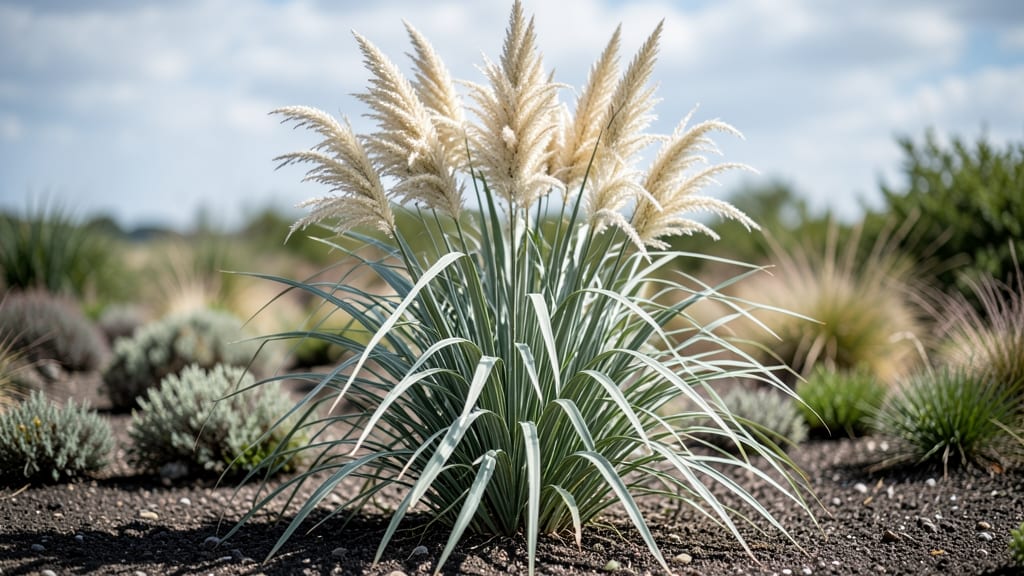
Wondering how tall does pampas grass grow? It reaches heights of 10 to 15 feet at maturity, becoming a bold statement in any landscape—but its swift growth demands careful planning.
If you’re dreaming of dramatic, wind-swept beauty in your landscape but wondering how tall pampas grass can grow before it becomes unmanageable, you’re in the right place. This fast-growing ornamental grass can reach heights that will surprise you, especially in warmer climates where it thrives.
The mature height of pampas grass varies by variety, with some dwarf types staying around 6 feet while standard varieties tower over 10 feet. Proper spacing and pruning are essential to keep it from overwhelming your garden or blocking views.
In this guide, you’ll learn how to choose the right variety for your space, calculate ideal spacing, and manage its growth year-round—so you can enjoy its striking plumes without the headaches.


Pampas grass mature height by variety: from compact to towering giants
Pampas grass (Cortaderia selloana) is famous for its striking, feathery plumes and dramatic presence in gardens, but its mature height can vary dramatically depending on the variety.
If you're planning your landscape design, knowing the height ranges of different types will help you choose the perfect fit for your space. Some varieties stay compact, while others grow into towering giants that can dominate a garden scene.
The standard pampas grass typically reaches 10 to 15 feet at maturity, making it a statement plant for large landscapes or as a focal point. However, not all varieties grow this tall—some dwarf and semi-dwarf types offer more manageable sizes without sacrificing visual impact.
Let’s explore the height ranges of the most popular varieties so you can make an informed choice for your garden.
| Variety | Mature Height (ft) | Spread (ft) | Best For |
|---|---|---|---|
| 'Baby Blue' | 6-8 ft | 3-4 ft | Containers, small gardens |
| 'Pumila' | 6-10 ft | 4-5 ft | Medium-sized gardens, borders |
| 'Sunningdale Silver' | 8-12 ft | 5-6 ft | Large gardens, focal points |
| Standard (Wild Type) | 10-15 ft | 6-8 ft | Large landscapes, privacy screens |
| 'Alba' | 10-14 ft | 5-7 ft | Dramatic accents, coastal gardens |
If you're working with limited space, the 'Baby Blue' variety is an excellent choice, reaching only 6 to 8 feet tall while still delivering those signature plumes. This makes it ideal for containers, small gardens, or urban landscapes where space is at a premium.
Its compact size also means it requires less frequent pruning, saving you time and effort in maintenance.
For a medium-sized garden, consider 'Pumila', which grows 6 to 10 feet tall. This variety strikes a balance between manageability and impact, making it perfect for borders or as a mid-height accent plant.
Its slightly wider spread also adds texture and movement to your landscape design without overwhelming smaller spaces.
The 'Sunningdale Silver' variety is a fan favorite for its striking silver plumes and 8 to 12 feet height. This makes it a fantastic choice for large gardens or as a focal point in open areas.
Its height and spread create a dramatic backdrop for other plants, while its silvery foliage adds a touch of elegance to any setting.
When it comes to maximum height and drama, the standard wild-type pampas grass is unmatched, reaching 10 to 15 feet tall. This variety is best suited for large landscapes, privacy screens, or as a windbreak.
If you're aiming for a bold, statement-making plant, this is the one to choose—but be prepared for its impressive size and the maintenance it requires.
The 'Alba' variety is another stunning option, growing 10 to 14 feet tall with pure white plumes that contrast beautifully against green foliage. It’s ideal for coastal gardens or as a dramatic accent in large outdoor spaces.
This variety thrives in windy conditions, making it a great choice for beachside or exposed landscapes.
Remember that mature height can be influenced by factors like climate, soil quality, and sunlight exposure. In optimal conditions, pampas grass grows faster and reaches its full potential height.
However, in cooler climates or poor soil, growth may be slightly stunted. Always plant in well-draining soil with full sun to encourage healthy growth and maximize height.
Whether you're drawn to the compact elegance of 'Baby Blue' or the towering presence of the standard wild type, there’s a pampas grass variety to suit every garden size and style. Choose wisely, and you’ll enjoy years of wind-swept beauty and low-maintenance drama in your outdoor space. 🌿
Optimal spacing rules to prevent overcrowding and ensure healthy growth
Pampas grass (Cortaderia selloana) may look delicate with its feathery plumes, but it grows aggressively—reaching 10–15 feet tall and spreading 6–10 feet wide at maturity. Without proper spacing, these grasses will compete for nutrients, leading to stunted growth, disease, and a messy, overgrown look.
The key to success lies in balancing aesthetics with practical maintenance, especially in smaller gardens or urban landscapes.
Spacing isn’t just about preventing overcrowding; it’s also about air circulation, which reduces fungal risks like rust and powdery mildew.
In USDA Zones 7–10, where pampas grass thrives, 3–5 feet between plants is ideal for standard varieties, while dwarf types (like ‘Pumila’) can tolerate 2–3 feet of space. Always account for mature spread, not just height, to avoid future headaches.
- 📏 Standard varieties: 5–6 feet apart (accounts for 10–15 ft height and 6–10 ft spread).
- 🌱 Dwarf varieties: 3–4 feet apart (ideal for 6–8 ft mature height and 3–5 ft spread).
- 🌡️ Cooler climates (Zones 6–7): Increase spacing to 6–7 feet—slower growth reduces competition.
- 🏡 Urban gardens: Plant in containers (minimum 15-gallon pots) for control; space pots 4–5 feet apart.
- ✂️ Pruning impact: Taller spacing (6+ ft) makes pruning easier; shorter spacing requires annual thinning.
For windbreaks or privacy screens, you can plant pampas grass closer together (3–4 feet), but expect more frequent pruning to maintain shape. In windy coastal areas (Zones 8–10), where growth is faster, 6–7 feet of spacing is critical to prevent clumping.
Always avoid planting near structures—those towering plumes can scratch paint or damage siding when swaying in strong winds.
If you’re designing a mixed border, pair pampas grass with shorter perennials (like salvia or lavender) to create visual layers. Place taller varieties (e.g., ‘Hanzi’) at the back of the border and dwarfs (e.g., ‘Pumila’) in the front.
This not only saves space but also highlights the grass’s architectural beauty without overwhelming smaller plants.
One common mistake? Underestimating the root system. Pampas grass develops deep, fibrous roots that spread twice as wide as the canopy. If you’re planting in clay soil, amend with compost or sand to improve drainage and reduce root competition.
In sandy soils, roots may spread even faster—increase spacing to 7 feet to compensate.
Finally, group odd numbers of plants (e.g., 3 or 5) for a natural, balanced look. This spacing rule isn’t just about science—it’s about creating a garden that feels intentional and low-maintenance.
With the right distance, your pampas grass will thrive for decades, becoming a dramatic, wind-swept centerpiece without the chaos. 🌿