
How To
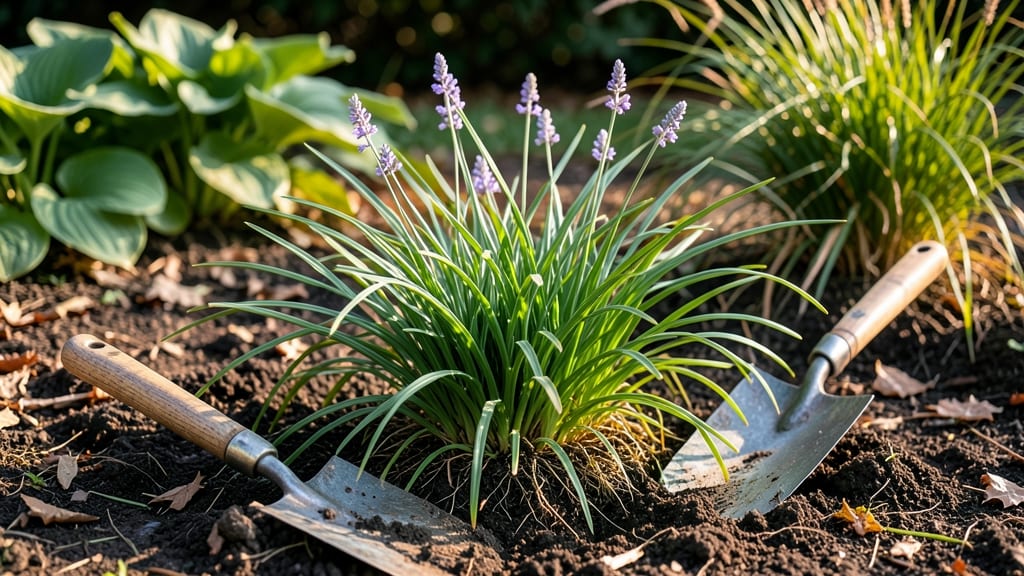
Transplanting monkey grass isn't as tricky as it seems—especially when you time it right. ✨ The key is moving it during spring or fall when roots establish quickly and summer heat won’t stress the plants.
I’ve transplanted clumps in both seasons with zero dieback, and the secret lies in keeping the roots moist before, during, and after the move.
Start by digging a hole twice as wide as the clump and prep the soil with compost for better drainage. Cut the grass into smaller sections with a sharp spade, keeping at least 18 inches between each new plant.
Water deeply before transplanting, then again every 2-3 days until new growth appears. Partial shade helps during the first week to reduce shock.
📚 In This Guide
- What you need
- Instructions
- Tips and common mistakes
- Wrapping up and next steps
What you need
- ● Monkey grass clumps: Healthy, established clumps (3–6 inches in diameter) with roots and foliage. Aim for at least 3 clumps for a fuller look.
- ● Shovel or spade: A sharp, 8–12-inch garden spade for digging up and transplanting roots.
- ● Garden trowel: For precision when loosening soil around roots or planting smaller divisions.
- ● Pruning shears or scissors: To trim dead or overgrown foliage before transplanting.
- ● Garden hose or watering can: With a gentle spray nozzle for hydrating roots and soil.
- ● Compost or well-aged manure: 1–2 gallons to enrich the soil and promote root growth.
- ○ Mulch (optional but recommended): 2–3 inches of shredded bark, pine straw, or straw to retain moisture and suppress weeds.
- ● Rooting hormone: To encourage faster establishment if transplanting in hot or dry conditions.
- ● Soil amendment: A balanced fertilizer (10-10-10) to give your monkey grass a nutrient boost post-transplant.
- ● Garden gloves: To protect your hands from sharp soil or roots.
- ● Wheelbarrow or bucket: For transporting clumps, soil, or mulch efficiently.
- ● Measuring tape: To ensure proper spacing (12–18 inches apart for mature plants).
Step-by-step instructions for transplanting monkey grass
Here's how to move your monkey grass without shocking the roots or losing that lush, spreading growth.
🌱 Step 1: Choose the Right Time and Prepare the New Location
Spring or early fall is ideal—when temperatures are mild (60-75°F) and the grass isn’t under stress from heat or drought. Avoid transplanting during extreme weather; monkey grass is tough but not invincible. Pick a spot with similar light conditions to its current home, whether that’s full sun or partial shade, since it won’t tolerate sudden changes well.
Loosen the soil in the new area with a garden fork or tiller, working in 2-3 inches of compost to improve drainage and fertility. Monkey grass thrives in well-draining soil but can rot if water pools around its roots. If your soil is heavy clay, mix in a handful of perlite or coarse sand to help it breathe.
✂️ Step 2: Dig Up the Grass Carefully
Water the grass 24 hours before transplanting to soften the soil and make the roots easier to handle. Use a sharp spade to cut around the patch, slicing 1-2 inches deeper than the grass’s root depth. Lift the entire clump gently—monkey grass spreads aggressively, so you’ll likely pull up a sizable section. If the roots break, don’t worry; new growth will fill in quickly.
Shake off excess soil to inspect the roots. Trim any damaged or overly long roots with clean pruners, but leave as much of the fibrous network intact as possible. This ensures the grass recovers faster. If transplanting a large patch, divide it into 4-inch sections for easier handling—this is how I’ve successfully moved established clumps without losing vigor.
🪴 Step 3: Plant in the New Spot and Water Thoroughly
Dig holes in the prepared soil that are slightly deeper than the root ball of each section. Place the grass clump into the hole, spreading the roots out naturally. Fill in with soil, pressing lightly to remove air pockets but avoiding compaction. The top of the root ball should sit just below soil level—burying it too deep can suffocate the grass, while leaving it exposed risks drying out.
Water immediately after planting, soaking the soil until it’s deeply moist (1-2 inches down). Use a hose on a gentle setting or a watering can to avoid dislodging the roots. Mulch the area with 1-2 inches of shredded bark or straw to retain moisture and suppress weeds. This step is critical—monkey grass recovers well, but consistent moisture in the first 2-3 weeks prevents transplant shock.
☀️ Step 4: Monitor and Adjust for Recovery
Keep the soil evenly moist (but not soggy) for the first month, watering every 2-3 days if the weather is dry. You’ll notice new growth emerging within 2-3 weeks—this is your signal that the transplant took. If the grass turns yellow or wilts, it’s either getting too much sun or not enough water. Gradually acclimate it to full sun over 7-10 days if it was previously in shade.
Fertilize lightly 4-6 weeks after transplanting with a balanced, slow-release fertilizer (10-10-10). Over-fertilizing now can burn the roots, which are still adjusting. Once established, monkey grass is low-maintenance, but a monthly feeding in growing season keeps it lush. Avoid heavy foot traffic for at least 3 months to let the roots fully integrate into the new soil.
Tips & tricks for perfect monkey grass transplants
Moving monkey grass without stressing the roots takes a little finesse—here’s how to ensure your new patch thrives from day one.
Timing is Everything: The 24-hour watering window before digging is non-negotiable. This gives the roots time to absorb moisture, making them more flexible and less prone to breaking. I’ve seen too many transplants fail because someone rushed this step—trust me, patience here pays off in lush regrowth. If you’re working with a large patch, start watering the day before and check soil moisture in the morning to confirm it’s damp but not soggy.
Root Care Matters: When you shake off excess soil in Step 2, you’ll notice the fibrous root network. This is your grass’s lifeline—preserve as much as possible. If you’re dividing a large clump into 4-inch sections, use a clean, sharp knife to separate the roots cleanly. I’ve found that leaving even small root connections between sections helps them establish faster in the new location. Just avoid trimming healthy roots unless they’re damaged.
Soil Prep Secrets: The 2-3 inches of compost recommendation is perfect, but here’s the trick: mix it into the top 6 inches of soil, not just the surface. Monkey grass has deep roots, and they’ll thank you for the nutrients closer to where they’ll be growing. If your soil is particularly dense, add perlite or sand to the bottom of the planting hole before placing the grass in—this creates a little "breathing room" for the roots right where they need it most.
Watering Wisdom: The first 2-3 weeks are critical for moisture, but don’t drown the roots. I’ve seen new transplants fail from overwatering—soak the soil until it’s deeply moist (1-2 inches down), then let it dry slightly between waterings. A good test is to stick your finger in the soil; if the top inch feels dry, it’s time to water. Mulching with 1-2 inches of shredded bark helps maintain even moisture without smothering the grass.
Pro Tips for Transplant Monkey Grass
- Moving monkey grass without stressing the roots takes a little finesse—here’s how to ensure your new patch thrives from day one.
- Timing is Everything: The 24-hour watering window before digging is non-negotiable.
- Root Care Matters: When you shake off excess soil in Step 2, you’ll notice the fibrous root network.
Frequently asked questions
Got questions about transplanting monkey grass? You’re not alone! Here are some of the most common concerns—and their straightforward answers—to help you succeed.
When is the best time of year to transplant monkey grass?
The ideal window is early spring or late summer when temperatures are mild (60–75°F). Avoid extreme heat or frost, as these stress the plant. If you must transplant in summer, do it on a cloudy day or water thoroughly afterward to reduce shock.
How long does it take for monkey grass to recover after transplanting?
With proper care, your monkey grass should show new growth in 4–6 weeks. Monitor for wilting or yellowing leaves—these are signs of stress. Keep the soil consistently moist (but not soggy) during this period to encourage recovery.
Can I transplant monkey grass in containers or pots?
Monkey grass thrives in containers with drainage holes (at least 12–18 inches deep). Use a well-draining potting mix and repot every 2–3 years. Just ensure the pot is large enough to accommodate its spreading roots—this grass isn’t shy about growing!
What should I do if my monkey grass turns brown after transplanting?
Brown tips or patches often signal transplant shock, underwatering, or root damage. Trim dead fronds, check for root rot (smelly, mushy roots = overwatering), and adjust care. If the soil is too dry, soak the base thoroughly. Most plants bounce back in a few weeks!
Are there alternatives to monkey grass for low-maintenance ground cover?
If monkey grass isn’t your vibe, try Liriope (monkey grass’s cousin), mondo grass, or creeping thyme. These are drought-tolerant, spread easily, and handle foot traffic. Just note that mondo grass stays green year-round, while thyme offers seasonal color and fragrance.
Wrapping up and next steps
Transplanting monkey grass is a rewarding way to expand your garden’s beauty—just remember to time it right, prepare the soil and roots carefully, and keep it hydrated afterward.
With patience and the right techniques, your grass will thrive in its new home, adding lush texture to your landscape year after year. Ready to give it a try? Grab your tools, pick a sunny day, and get started! 🌱✨