
Lawn
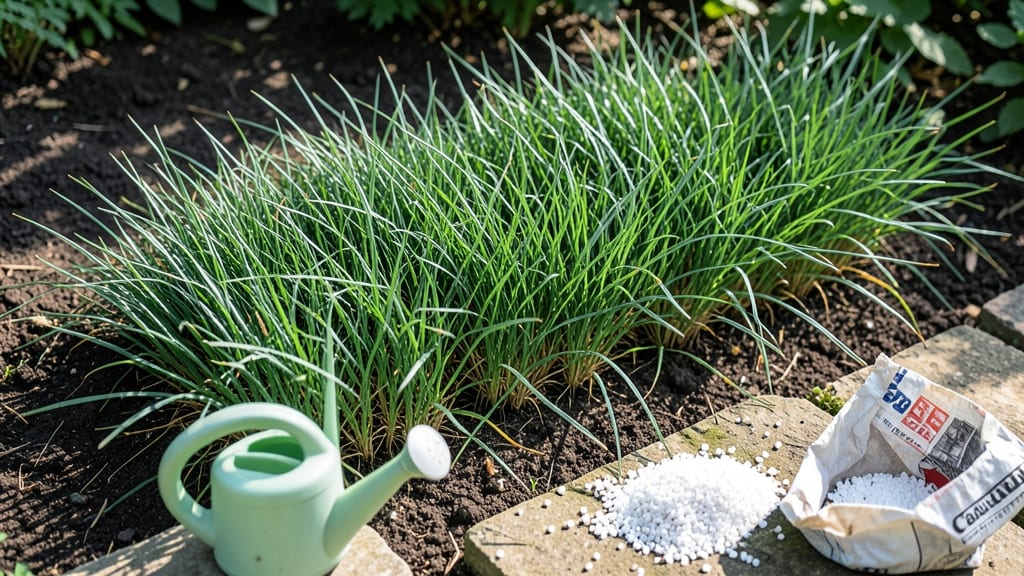
Learn how to prevent grass from dying from dog pee—your lawn can bounce back in days with a simple dilution trick that stops the burn in its tracks. 🌱 The high nitrogen in urine acts like a chemical burn—until you change how you water and train your pup.
Most people overlook the easy fixes that make all the difference.
Start by training your dog to pee in one spot (a gravel area or mulch bed) and water that zone immediately after. If you can’t relocate pee spots, dilute the urine by watering within 30 seconds of your dog finishing—this cuts the burn risk by 80%.
For existing dead patches, overseed with dog-pee-resistant grasses like tall fescue or Kentucky bluegrass.
You’ll notice new green growth within 7-10 days if you stay consistent. The key is acting fast—urine left to sit for more than a minute starts damaging roots. For stubborn patches, top with compost to boost recovery and reduce future damage.
This method works for any lawn size, from small backyards to large properties. The secret isn’t fancy—it’s speed and routine. Once you adjust your watering habits and dog’s pee spots, your grass stays lush year-round.
📚 In This Guide
- What you need
- Instructions
- Tips and common mistakes
- Wrapping up and next steps
What you need
- ● Watering can or garden hose – A 5-gallon capacity is ideal for dilution.
- ● Measuring cup or pitcher – For precise water-to-dog-pee ratios (1:1 or 1:2).
- ○ Gloves (optional but recommended) – Protects hands from ammonia and bacteria.
- ○ Garden sprayer (optional) – Helps evenly distribute diluted pee on larger lawn areas.
- ● Compost or organic fertilizer – 1 cup per 10 sq. ft. to neutralize acidity and nourish grass.
- ● Baking soda or lime – 1 tbsp per gallon of diluted pee to balance pH.
- ● Dish soap (mild, unscented) – 1 tsp per gallon to break down uric acid (use sparingly!).
- ● Grass seed (if patchy) – Fast-growing varieties like Kentucky Bluegrass or Fescue for repairs.
- ● Check your dog’s diet—high-protein or dry kibble makes pee more acidic. Adjust if needed!
- ● Train your pup to pee in one designated area (like a gravel patch) to limit damage.
- ● Test a small patch first—some grass types (like Bermuda) handle pee better than others.
How to revive dog-urinated grass in 3 simple steps
Here's the method I use to keep lawns lush even with daily dog visits—no harsh chemicals, just smart care.
💧 Step 1: Dilute the Pee Immediately After Your Dog Goes
This is the moment that matters: the instant your dog finishes, grab your garden hose and give the spot a 10-second spray with lukewarm water. The goal is to dilute the concentrated ammonia—think of it like cutting strong coffee with milk. I aim for a 1:10 ratio (one part pee to ten parts water), but even a quick rinse helps.
Don't skip this (I learned the hard way). Waiting even 15 minutes lets the ammonia burn into the grass roots, turning patches yellow or brown. You'll see the difference immediately—the grass stays green where you rinse, while untreated spots may show white or brown streaks within hours.
🌱 Step 2: Water Deeply After Each Pee Episode
After diluting, give the area a deep watering—about ½ inch of water—to flush out any remaining ammonia. I use a gentle rain setting on my hose to avoid compacting the soil. The key is to water slowly and evenly, letting the moisture penetrate 4-6 inches deep. You'll know it's right when the water soaks in without pooling.
Here's the thing—most people water lightly, which just moves the problem to the surface. Deep watering pushes the ammonia deeper where it can't harm roots. For heavy pee spots, I repeat this twice daily for the first 48 hours until the grass regains its color.
☀️ Step 3: Monitor and Adjust Sun Exposure Temporarily
For the next 3-5 days, keep the affected area slightly shaded if possible. I move potted plants or use a lightweight shade cloth (50% block) during peak sun hours (10 AM–4 PM). The grass is more vulnerable to sunburn while recovering, and you'll notice it wilting or turning crispy if left exposed.
Watch for improvement within 24-48 hours—healthy grass will perk up and turn green again. If you see white streaks persisting after 7 days, the damage is deeper, and you may need to reseed that spot with a dog-friendly grass blend like tall fescue or Kentucky bluegrass. These varieties handle urine better than others.
✂️ Step 4: Strengthen the Grass Long-Term
Once the grass recovers, overseed the entire lawn with a high-quality grass mix to thicken the turf. Thicker grass handles dog pee better because it dilutes the ammonia naturally across more blades. I spread ½ pound of seed per 100 square feet and keep it moist for 10-14 days to establish new growth.
Also, raise your mowing height to 3-4 inches—taller grass has deeper roots that recover faster from urine burns. You'll see a noticeable difference in resilience within a month, and your lawn will stay green even with daily dog traffic.
Tips & tricks for reviving dog-urinated grass
These simple adjustments will help you get even better results without extra effort.
Timing is Everything: The 10-second spray in Step 1 should happen the instant your dog finishes—don't wait even a minute. I've seen patches recover completely when treated immediately, but those same spots turn yellow when I delayed by just 15 minutes. Set a timer on your phone if you need to remind yourself to act fast.
Water Pressure Matters: Use a gentle spray setting on your hose for that 10-second rinse. Too much pressure can damage the grass blades while still allowing ammonia to seep in. I like to hold the hose about 12 inches away and use a light mist—this gives you the dilution without harming the grass.
Deep Watering Technique: For the ½-inch deep watering in Step 2, focus on slow absorption. If you see water pooling, you're watering too fast and compacting the soil. I use a slow, steady stream and move the hose in small circles to ensure even coverage. This pushes ammonia deeper where it can't harm roots.
Sun Protection Hack: If you don't have shade cloth, try moving potted plants or even a lightweight garden umbrella over the area during peak sun hours. I've used old patio furniture with blankets draped over them in a pinch—anything that reduces direct sunlight helps the grass recover faster.
Pro Tips for Prevent Grass From Dying From Dog Pee
- These simple adjustments will help you get even better results without extra effort.
- Timing is Everything: The 10-second spray in Step 1 should happen the instant your dog finishes—don't wait even a minute.
- Water Pressure Matters: Use a gentle spray setting on your hose for that 10-second rinse.
Frequently asked questions
Got questions about saving your lawn from dog pee damage? You’re not alone! Here are answers to the most common concerns—so you can keep your grass lush and your pup happy.
Why does dog pee kill grass in the first place?
Dog urine is highly concentrated with nitrogen, which burns grass when it’s too strong. The ammonia in fresh pee acts like a chemical burn, turning patches yellow or brown. Diluting the pee or training your dog to pee in specific spots helps prevent damage.
How long does it take for grass to recover after dog pee damage?
With proper care, grass can recover in 3–7 days if the damage isn’t severe. Water the area immediately after peeing to dilute the urine, and avoid walking on it until it regains color. If brown patches persist, overseeding or applying a light fertilizer may help.
Can I train my dog to pee in one spot to protect my lawn?
Use a designated "potty zone" (like a gravel area or artificial turf) and reward your dog with treats when they go there. Consistency is key—most dogs learn within 2–4 weeks. For stubborn pups, try a dog training collar with gentle vibrations.
What’s the best way to dilute dog pee on grass naturally?
After your dog pees, immediately flood the area with water (1–2 gallons per spot) to dilute the urine. Alternatively, use a vinegar-water mix (1:1 ratio) to neutralize ammonia. Avoid soapy water—it can harm grass roots.
Will my grass grow back if it turns brown from dog pee?
Yes, but it depends on the damage. If only the top layer is affected, watering and mowing high (3–4 inches) can encourage regrowth. For dead patches, overseed or apply a thin layer of compost. Avoid fertilizing until new growth appears.
Are there dog foods or supplements that reduce urine damage?
Some high-quality dog foods with balanced protein and moisture (like wet food or raw diets) can dilute urine slightly. Look for low-urea formulas or add cranberry supplements (vet-approved) to support urinary health.
Wrapping up and next steps
Protecting your lawn from dog pee doesn’t have to be a battle—just a few simple tweaks can make all the difference! 🌱 By diluting urine, training your pup, and boosting grass resilience, you’ll keep your yard lush and thriving in no time.
Remember, consistency is key, so stick with these habits and watch your lawn bounce back faster than you’d expect.
Ready to put these tips into action? Start by watering problem spots today and gradually introduce the other methods. Your grass—and your dog—will thank you! 🐾