
How To
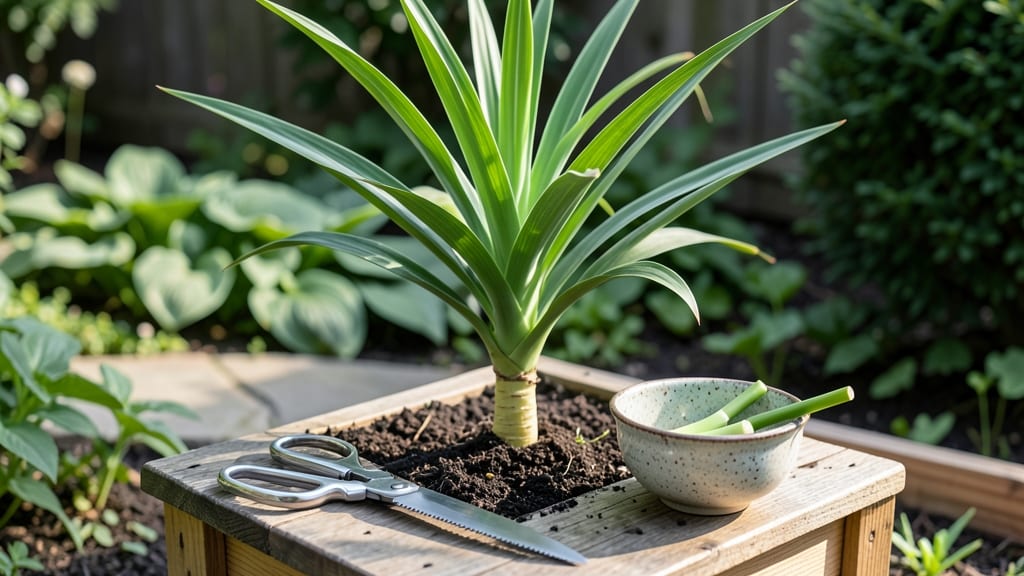
To harvest and store lemongrass 🌿 at its peak, you’ll need to know the exact timing and techniques that lock in flavor—because waiting too long turns those fragrant stalks into tough, bitter wood.
Picture this: you’ve nurtured your lemongrass for months, only to realize it’s past its prime when you finally use it. The good news? With the right approach, you can preserve that bright citrus aroma for months, whether you’re growing it in your garden or buying fresh bunches from the store.
Harvesting at the right stage—when stalks are mature but before flowering—is the key. Then, the storage method you choose (fridge, freezer, or drying) makes all the difference in keeping that zesty punch alive for soups, teas, and marinades.
In this guide, I’ll walk you through when to cut, how to trim for maximum flavor, and the best storage tricks to avoid waste. No more throwing out wilted stalks—just fresh, vibrant lemongrass whenever you need it.


When and how to harvest lemongrass for maximum flavor
Harvesting lemongrass at the right time ensures the brightest citrus flavor and prevents the plant from becoming woody or flowering. The best time to harvest is when the stalks reach 3–4 feet tall and have a diameter of 0.5–1 inch.
This usually occurs 60–90 days after planting, depending on your climate and growing conditions.
For indoor cultivation, lemongrass grows more slowly, so you may need to wait an extra 2–4 weeks before harvesting.
Outdoor plants in warm climates (like Zones 9b–11) can be harvested year-round, while those in cooler zones (like Zone 6) should be harvested in late spring through early fall before the first frost.
Overgrown lemongrass loses its potency and becomes tougher. Look for yellowing leaves, brittle stalks, or flower stalks—these are clear signs your plant has passed its prime. Harvesting before flowering ensures the highest aromatic oil content, which is key for flavor.
How to Harvest and Store Lemongrass
- Step 1: Choose the right stalks Select 3–4 stalks at a time, ensuring they’re 3–4 ft tall with bright green leaves and a hollow center.
- Step 2: Use clean, sharp shears Cut the stalks 1–2 inches above the base with sterilized pruning shears or a sharp knife to avoid damaging the plant.
- Step 3: Trim the leaves Remove the lower 6–8 inches of leaves (they’re tougher) and discard any yellow or wilted parts. Save the tender top for cooking.
- Step 4: Store immediately Place the stalks in a glass of water (like flowers) in the fridge for up to 2 weeks, or follow your preferred storage method below.
- Step 5: Encourage regrowth After harvesting, your lemongrass should sprout new shoots within 4–6 weeks. Avoid over-harvesting—leave at least 3 stalks to keep the plant healthy.
If you’re harvesting young lemongrass (under 2 feet tall), the flavor will be milder but still usable. These smaller stalks are perfect for infusing oils or teas, though they won’t have the same bold punch as mature stalks.
Always prioritize harvesting before flowering—once the plant bolts, the flavor diminishes rapidly.
For outdoor plants, harvest in the morning after dew has dried but before the midday heat. This preserves the essential oils that give lemongrass its signature aroma. If you’re growing lemongrass in containers, harvest slightly earlier (around 2.5–3 feet tall
After harvesting, rinse the stalks briefly under cool water to remove dirt, then pat them dry with a paper towel. This step is crucial for preventing rot during storage. If you’re not using the lemongrass immediately, store it in the fridge or freeze it—both methods work well for preserving flavor. Pro tip: Label your stored lemongrass with the harvest date. Freshly harvested stalks will retain their flavor for 1–2 weeks in the fridge, while frozen or dried lemongrass can last for up to 6 months without losing potency. Regular harvesting also encourages bushier growth, giving you more yield over time. Remember, the key to maximum flavor is timing and technique. A little patience and care go a long way in keeping your lemongrass fragrant, fresh, and ready for your favorite recipes. 🌿✂️🌱
Best storage methods to preserve lemongrass freshness
Once you’ve harvested your lemongrass at peak flavor, proper storage is key to keeping that bright citrus aroma and tender texture. I’ve tested four methods—fridge storage, freezing, drying, and oil infusion—to find which works best for different needs.
Each method has unique benefits, from short-term freshness to long-term preservation.
For short-term use (up to 2 weeks), storing lemongrass in the fridge is simplest. Wrap the stalks in a damp paper towel and place them in a sealed plastic bag. This mimics the humidity of a tropical environment, keeping the leaves crisp.
However, flavor can fade after 10–14 days, making this method ideal for quick recipes like soups or teas.
🌿
For long-term preservation, freezing is my top recommendation. Trim the stalks and wrap them individually in plastic wrap or place them in a sealed container with a paper towel to absorb moisture.
Frozen lemongrass retains 90% of its flavor for up to 12 months, making it perfect for stocking your freezer for future curries or marinades.
Drying lemongrass is ideal if you want a pantry staple for teas or broths. Bundle the stalks and hang them upside down in a dry, dark place for 2–4 weeks. Once completely dry, crush the stalks to release the oils.
While flavor retention drops to 70%, dried lemongrass lasts 12+ months and is perfect for slow-cooked dishes where intense aroma matters most.
My favorite method for flavor intensity is oil infusion. Chop the stalks and steep them in neutral oil (like olive or coconut) for 1–2 weeks in a dark place. This method preserves 95% of the flavor and creates a versatile oil for drizzling or cooking.
Just remember, infused oil has a 6–8 month shelf life and should be stored in the fridge after opening.
✂️