
How To
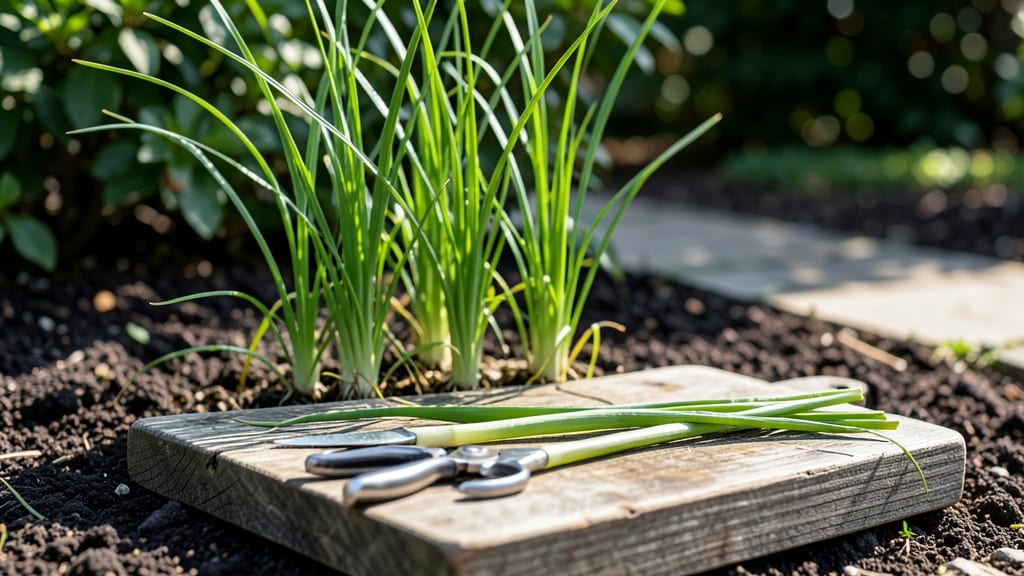
To harvest and store lemon grass properly means you’ll never waste another stalk again — and that bright, citrusy flavor stays potent for months.
Picture this: you’ve nurtured your 🌿 lemon grass all season, and now it’s time to reap the rewards. But harvest too early, and the flavor is weak. Wait too long, and the stalks become woody and bitter.
The key is timing, and once you master it, you’ll unlock a year-round supply of this aromatic herb.
In this guide, I’ll walk you through the exact moment to cut your stalks for peak freshness, the right tools to use, and the best storage methods—whether you’re freezing, drying, or refrigerating—to keep your lemon grass tasting like it just came from the garden.
You’ll also discover how to revive wilted stalks, repurpose overripe batches, and troubleshoot common storage issues like mold or limp leaves. By the end, you’ll have a foolproof system for keeping your lemon grass fresh, flavorful, and ready for any recipe.


When and how to harvest lemon grass for maximum flavor and longevity
Harvesting lemon grass at the right time ensures bold citrusy flavor and keeps your plant thriving. The best time to harvest is when stalks reach 12-18 inches tall with a ½-inch diameter base.
This usually happens 75-90 days after planting, depending on your climate. If you harvest too early, the flavor will be mild, while waiting too long can make the stalks fibrous and less aromatic.
Younger stalks—around 10-12 inches tall—are tender and perfect for delicate dishes, but their flavor is subtler. For maximum potency, aim for mature stalks with fully elongated leaves.
Outdoor plants in USDA Zone 6a or warmer can be harvested year-round, while indoor plants may need consistent full-sun exposure to maintain vigor. Always harvest in the morning after dew dries for the freshest flavor.
Overharvesting weakens your lemon grass plant and can stunt its growth. Never remove more than ⅓ of the stalks at once, and always leave at least 3-4 mature stalks to ensure regrowth. If you notice yellowing leaves or stunted growth after harvesting, your plant may be stressed.
In this case, reduce future harvests and focus on fertilizing lightly with a balanced 10-10-10 mix to encourage recovery.
Step-by-Step Lemon Grass Harvesting Guide
-
Step 1: Choose the Right Stalks
Select stalks that are 12-18 inches tall with a ½-inch diameter base and vibrant green leaves. Avoid stalks that are pale or wilting.
-
Step 2: Gather Tools
Use a sharp pair of pruning shears or a clean kitchen knife. Disinfect tools with rubbing alcohol to prevent disease.
-
Step 3: Cut at the Base
Make a clean cut 1-2 inches above the soil line. This encourages new shoots to grow from the base. Avoid tearing the stalk, which can damage the plant.
-
Step 4: Trim Excess Leaves
Remove the lower 3-4 inches of leaves if they’re yellowed or damaged. Store the stalks upright in a glass of water in the fridge for up to 2 weeks.
-
Step 5: Monitor Plant Health
After harvesting, check for new shoots emerging from the base. If growth slows, increase watering frequency and apply a light fertilizer every 4-6 weeks during the growing season.
Indoor lemon grass plants require extra attention to maintain peak flavor and growth. Place your pot near a south-facing window to ensure it gets 6+ hours of direct sunlight daily. If natural light is insufficient, supplement with a grow light for 12-14 hours a day.
Indoor plants may grow slower, so harvest less frequently—every 8-10 weeks—to avoid stressing the plant. Use well-draining potting soil and a pot with drainage holes to prevent root rot.
Seasonal changes affect lemon grass harvests, especially in cooler climates. In spring and summer, outdoor plants grow rapidly, so you can harvest every 6-8 weeks. However, in fall and winter, growth slows, and you may only need to harvest once every 10-12 weeks.
If frost threatens, bring potted plants indoors before temperatures drop below 50°F (10°C). Lemon grass is not frost-tolerant, so protect it during cold snaps to ensure it survives for future harvests.
Signs of overharvesting include yellowing leaves, stunted growth, or no new shoots. If you notice these, scale back and let the plant recover. To encourage regrowth, trim any dead or damaged leaves and fertilize lightly with a balanced fertilizer.
Over time, your lemon grass will bounce back, and you’ll enjoy year-round harvests with proper care.
For maximum flavor retention, always harvest in the morning when essential oils are most concentrated. Store harvested stalks in the fridge or freeze them immediately to lock in freshness.
If you’re drying lemon grass, bundle stalks and hang them upside down in a well-ventilated, dark place for 1-2 weeks. Proper harvesting and storage ensure your lemon grass stays aromatic and ready to use whenever you need it.
With these techniques, you’ll always have fresh, flavorful lemon grass on hand, whether you’re making homemade teas, infusing oils, or adding a citrusy kick to your favorite dishes. Happy harvesting! 🌿
Best lemon grass storage methods compared: freezing vs. drying vs. refrigerating
Storing lemon grass properly keeps its citrusy aroma and flavor potency intact for months. Each method—freezing, drying, or refrigeration—has unique benefits depending on your needs.
Freezing locks in freshness for 6-12 months, while drying preserves flavor for up to 1 year in airtight containers. Refrigeration offers short-term freshness but requires more frequent use.
For long-term storage, I recommend freezing as the best option. The cut-and-freeze method involves trimming stalks to 3-inch lengths and freezing them whole or chopped. This method retains 90% of flavor compared to drying, which loses some aromatic oils over time.
However, drying is ideal for culinary uses like pastes or teas, where texture isn’t critical.
When freezing lemon grass, I prefer the cut-and-freeze method because it’s quick and preserves the essential oils better than drying. Simply trim the stalks to 3-inch lengths, remove the tough outer leaves, and freeze them in parchment paper or ziplock bags.
This method works best for cooking applications like curries or stir-fries, where you need the herb’s fresh aroma.
For drying lemon grass, I tie stalks into bundles and hang them upside down in a dry, dark place for 2-4 weeks. Once fully dried, the leaves crumble easily, making them perfect for powdered seasonings or infused oils.
Dried lemon grass loses some flavor but remains potent for up to 1 year if stored properly in airtight containers.
If you plan to use lemon grass within 2-4 weeks, refrigeration is the simplest option. Store the stalks in a sealed container with a damp paper towel to maintain moisture.
This method keeps the herb freshest but requires more frequent use before it wilts. Avoid storing lemon grass with ethylene-producing fruits like apples or bananas, as they accelerate spoilage.
For year-round use, I recommend combining methods: freeze half your harvest for long-term storage and dry the rest for culinary versatility. This way, you’ll always have lemon grass on hand, whether you’re making Thai-inspired dishes or refreshing homemade lemonade with a natural twist.