
Companion Plants
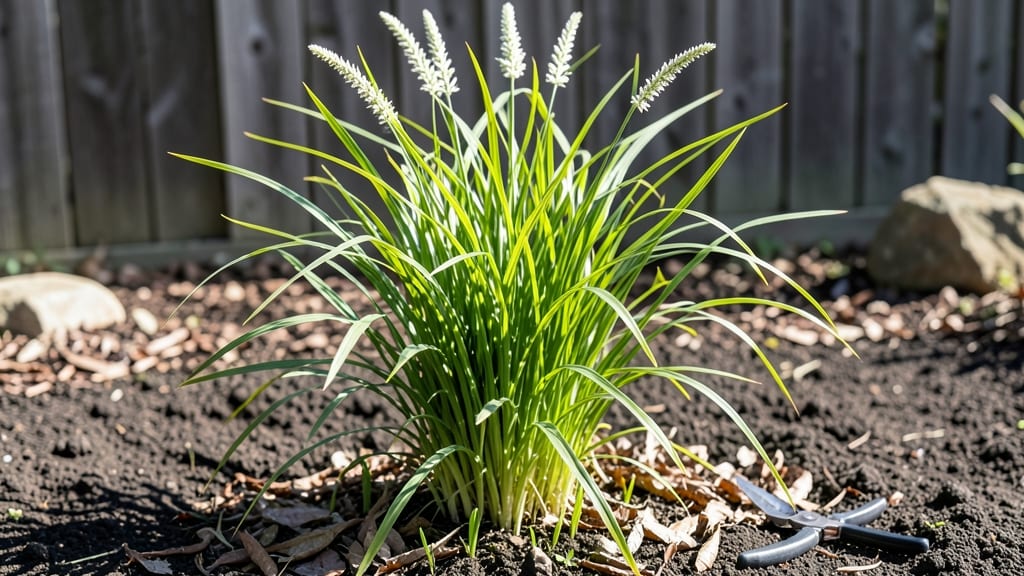
Growing Bonnie Plants lemongrass transforms your garden into a fragrant pest-repelling paradise. 🌿 The citrusy scent alone keeps mosquitoes at bay, but this tropical plant also thrives as a companion that protects nearby veggies from aphids and other pests.
My first batch grew so vigorously that neighbors asked if I'd planted a tiny orange grove—turns out, it just smells that amazing. Start with Bonnie Plants' seedlings (available in spring) or grow from seed if you're patient—lemongrass takes 3-4 months to mature.
The key is mimicking its tropical home: well-draining soil, 6+ hours of sunlight daily, and consistent moisture (never soggy). In colder zones, treat it as an annual or overwinter indoors near a sunny window.
You'll harvest fresh stems in 8-12 weeks, perfect for teas, cooking, or DIY pest sprays. The plants grow 3-5 feet tall, so space them 18-24 inches apart to avoid crowding. Just watch for brown tips—usually a sign of underwatering or fluoride-sensitive tap water.
For colder climates, bring potted plants indoors before frost or mulch heavily to protect roots. Bonnie Plants doesn't specify varieties, but their standard lemongrass handles heat and humidity beautifully. Here's how to keep yours thriving all season!
📚 In This Guide
- What you need
- Instructions
- Tips and common mistakes
- Wrapping up and next steps
What you need
- ● Bonnie Plants Lemongrass: 1–3 starter plants (check for healthy, vibrant stalks and lush green leaves).
- ● Well-draining potting mix: 5–10 gallons (or a blend of 60% peat moss, 30% perlite, and 10% compost for DIYers).
- ● Containers or garden bed: Containers: 12–18" deep pots (1–2 plants per pot) with drainage holes.
- ● Garden bed: Full sun (6+ hours/day) and loose, fertile soil with a pH of 5.5–7.0.
- ● Organic fertilizer: Balanced 10-10-10 or citrus-specific fertilizer (follow package rates).
- ● Watering can or hose with a gentle spray nozzle.
- ● Pruning shears (for trimming mature stalks).
- ● Mulch (straw or shredded leaves to retain moisture).
- ● Soil pH test kit (to monitor acidity levels).
- ● Compost or worm castings (for nutrient boosts).
- ● Pest control spray (neem oil or insecticidal soap, if needed).
Step-by-step instructions for planting and growing Bonnie Plants lemongrass
Here's how to cultivate this fragrant, pest-repelling plant with minimal fuss—it's easier than you think.
🌱 Step 1: Choose the Right Location and Prepare the Soil
Lemongrass thrives in full sun with at least 6-8 hours of direct light daily. If you're planting outdoors, select a spot where temperatures stay above 50°F—lemongrass is tropical and won't tolerate frost. I always test the soil first with a simple pH test kit; lemongrass prefers slightly acidic to neutral soil, around 6.0-7.0 pH.
Mix the soil with 2-3 inches of compost to improve drainage and fertility. Lemongrass hates soggy roots, so if your soil drains poorly, amend it with sand or perlite to loosen the texture. You'll know the soil is ready when it crumbles easily between your fingers without sticking.
🪴 Step 2: Plant the Lemongrass Clumps Correctly
Lemongrass grows from clumps, so dig a hole about 12 inches deep and 12 inches wide for each plant. Space multiple clumps 3-4 feet apart to allow room for their broad, grass-like foliage to spread. Place the clump in the hole so the base sits just below soil level—burying it too deep can cause rot, while planting too shallow exposes the roots to heat stress.
Fill the hole with soil and press gently around the base to eliminate air pockets. Water deeply right after planting to help the roots settle. You'll see the first signs of establishment when new shoots emerge within 2-3 weeks—these indicate the plant is taking hold.
☀️ Step 3: Water and Maintain for Optimal Growth
Keep the soil consistently moist but never waterlogged—lemongrass roots need oxygen to thrive. Water 1-2 inches per week, adjusting for rainfall. You'll know moisture is right when the top inch of soil feels damp to the touch but not soggy. Mulch around the base with 2-3 inches of organic mulch to retain moisture and suppress weeds.
Fertilize lightly every 6-8 weeks with a balanced, water-soluble fertilizer (like 10-10-10) diluted to half-strength. Over-fertilizing causes rapid, weak growth that's prone to pests. You'll notice healthy growth when the leaves are vibrant green and the stems remain sturdy—no flopping or yellowing.
✂️ Step 4: Harvest and Prune for Continuous Yield
Harvest lemongrass when the stems reach 12-18 inches tall by cutting about 6 inches above the base. This encourages regrowth and prevents the plant from becoming woody. You can harvest multiple times per season, but avoid cutting more than one-third of the plant at a time to ensure it keeps producing.
Remove any dead or yellowing leaves immediately—they signal stress or disease. Trim back overgrown clumps in early spring to refresh growth. The more you maintain it, the bushier and more productive your lemongrass will become.
💧 Step 5: Protect and Overwinter if Needed
Lemongrass is tender and won't survive frost, so if you live in a cold climate, dig up the clumps before the first frost and pot them. Place the pots in a bright, indoor location with 60-70°F temperatures and reduce watering slightly. You'll see slower growth indoors, but the plant will stay alive until spring.
If you're growing lemongrass in containers year-round, move them indoors before temperatures drop below 50°F. Keep the soil lightly moist and provide bright, indirect light to keep the plant healthy through winter.
Tips & tricks for growing Bonnie Plants lemongrass
Took me a while to figure these out, so here goes—simple ways to ensure your lemongrass thrives without the guesswork.
Lighting Secret: The 6-8 hours of direct sunlight requirement is non-negotiable, but here's what I learned: If you're growing in containers, rotate them every few days so all sides get even light exposure. This prevents lopsided growth where one side stretches toward the sun while the other stays weak. I also noticed that morning sun is slightly gentler than afternoon heat, so if you're in a hot climate, provide afternoon shade during peak summer months to prevent leaf scorch.
Soil Prep Technique: When amending your soil with the 2-3 inches of compost, don't just mix it in—create a "compost pocket" around the planting hole. Place a small mound of compost at the bottom of the hole before adding your plant. This creates a nutrient-rich zone right where the roots will establish first, giving your lemongrass an immediate growth boost. The sand or perlite should be mixed throughout the existing soil, not just dumped in the hole.
Watering Watch: The 1-2 inches per week guideline works perfectly in most climates, but here's how to adjust: Stick your finger about 1 inch into the soil—if it feels completely dry, water. If it's still damp, wait another day. I also recommend watering in the morning so the leaves have time to dry before evening, which helps prevent fungal issues. During the first 2-3 weeks after planting, keep the soil consistently moist (almost like a sponge) to encourage root establishment.
Harvesting Hack: When harvesting those 12-18 inch tall stems, use a sharp knife or pruning shears to make clean cuts. I've found that harvesting in the morning gives you the most fragrant stalks since the essential oils are most concentrated then. After cutting, leave at least 6 inches of growth—this might seem counterintuitive, but it actually encourages the plant to produce more side shoots, giving you a bushier plant and more harvests over time.
Pro Tips for Bonnie Plants Lemongrass
- Took me a while to figure these out, so here goes—simple ways to ensure your lemongrass thrives without the guesswork.
- Lighting Secret: The 6-8 hours of direct sunlight requirement is non-negotiable, but here's what I learned: If you're growing in containers, rotate them every few days so all sides get even light exposure.
- Soil Prep Technique: When amending your soil with the 2-3 inches of compost, don't just mix it in—create a "compost pocket" around the planting hole.
Frequently asked questions
Got questions about growing Bonnie Plants Lemongrass? You’re not alone! Here are some of the most common queries—plus quick, practical answers to help you thrive with this pest-repelling powerhouse.
How often should I water my Bonnie Plants Lemongrass?
Lemongrass thrives with consistent moisture—water it when the top 1–2 inches of soil feel dry (about 2–3 times per week in hot climates, less in cooler weather). Avoid soggy soil to prevent root rot, and mulch to retain moisture. Pro tip: Yellowing leaves? You’re likely overwatering!
How long does it take for Bonnie Plants Lemongrass to grow and repel pests?
You’ll see noticeable growth in 4–6 weeks, but full pest-repelling benefits (like deterring mosquitoes and aphids) take 2–3 months as the plant matures. Plant it near your garden’s trouble spots—its citrusy scent works best when established!
Can I grow Bonnie Plants Lemongrass indoors?
Place it in a sunny window (6+ hours of light daily) or under grow lights. Use a pot with drainage, and rotate it weekly for even growth. Just know: Indoor lemongrass grows slower than outdoors and may need occasional pruning to stay tidy.
What can I do if my Bonnie Plants Lemongrass turns brown or crispy?
Brown tips usually mean underwatering or sunburn. Check soil moisture and move the plant to partial shade if leaves look scorched. Overwatering? Let the soil dry slightly between waterings. Trim dead fronds to encourage new growth—your plant will bounce back!
Are there alternatives to Bonnie Plants Lemongrass for pest control?
Yes! Try citronella grass, basil, or lavender—all repel pests naturally. For a low-maintenance option, marigolds are another great companion plant. But lemongrass wins for dual-purpose use: culinary and pest control!
Wrapping up and next steps
Growing Bonnie Plants Lemongrass is a game-changer for your garden—it’s fragrant, versatile, and a natural pest repellent! 🌿 Whether you’re using it to deter mosquitoes, enhance your cooking, or simply add a citrusy touch to your space, this plant is a must-have.
With just a little care, you’ll enjoy its benefits for years to come.
Ready to get started? Plant your Bonnie Plants Lemongrass today and watch your garden—and meals—transform! For even more tips, explore companion planting guides or share your progress with fellow gardeners. Happy growing! 🌱