
Lawn
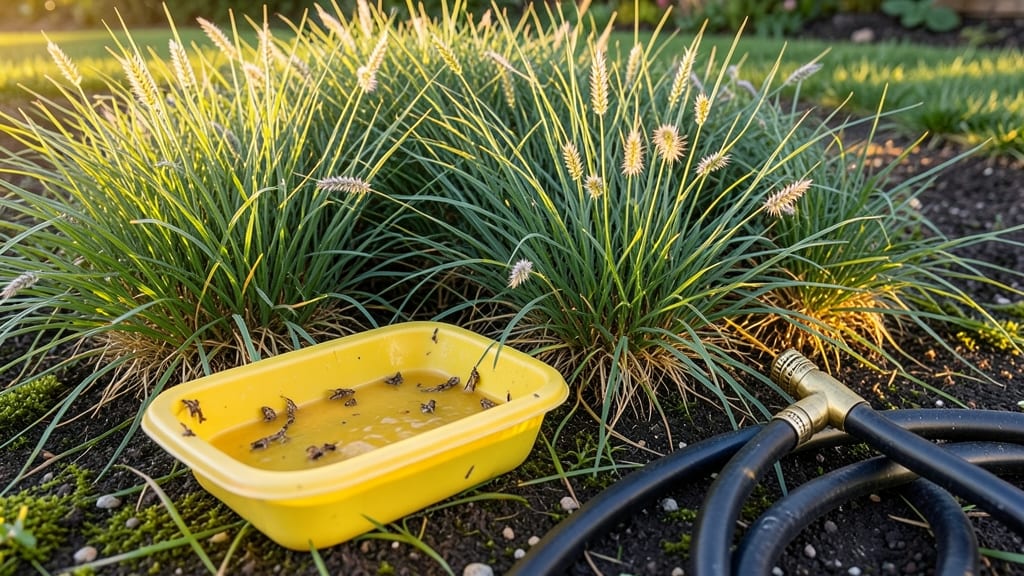
Getting rid of flies in grass starts with understanding why they’re there—and trust me, I’ve learned the hard way. 🌱 Those buzzing swarms aren’t just annoying; they’re drawn to decaying organic matter, pet waste, or thick thatch hiding moisture.
The good news? Simple fixes like raking, natural repellents, and a few strategic traps can clear them out in hours, not weeks.
Most people overlook the basics: flies thrive where grass clippings pile up or pet waste lingers. A quick rake-through removes their buffet, while a light sprinkle of diatomaceous earth (food-grade only) disrupts their life cycle without chemicals.
For stubborn patches, a vinegar-water spray (1:1 ratio) resets the environment—flies hate the smell, and your lawn stays safe.
You’ll see results fast: fewer flies within 24 hours of clearing debris, and near elimination in 3-5 days with consistent maintenance. The key is acting before they lay eggs—once they do, the cycle repeats. This method works for organic lawns, pet-friendly yards, and even small patches where flies cluster.
Prevention is easier than you think: mow regularly, clean up pet waste immediately, and aerate thick thatch. A citrus peel trap (halved oranges in a jar) also lures them away naturally. No more buzzing, no more frustration—just a clean, fly-free lawn that stays that way.
The Hidden Triggers Behind Fly Infestations
Flies in your grass aren’t just a random annoyance—they’re drawn by specific conditions that turn your lawn into an all-you-can-eat buffet. Understanding these triggers is the first step to reclaiming your outdoor space. Here’s why these pesky insects keep returning, broken down into the most common causes.
Flies, especially house flies and fruit flies, are attracted to decaying plant matter. When grass clippings, fallen leaves, or other organic debris pile up, they create the perfect breeding ground. Here’s how it happens:
- Moisture + Heat = Fly Magnet: Decomposing organic material generates heat and moisture, which speeds up bacterial and fungal growth—both of which flies adore as food sources.
- Fungal Spores: Mushrooms or moldy grass clippings release spores that attract fungus gnats and other moisture-loving flies.
- Animal Waste: Pet waste, bird droppings, or even compost piles emit ammonia and other compounds that flies detect from miles away.
Actionable insight: If your lawn has thick thatch or uneven mowing, flies will exploit the mess. Regular cleanup isn’t just about aesthetics—it’s about denying flies their favorite buffet.
Flies need water to lay eggs, and your grass might be unknowingly providing it. Here’s why standing water becomes a fly hotspot:
| Fly Type | Why They Love It | Where It Happens |
|---|---|---|
| Fungus gnats | Larvae thrive in moist, organic-rich soil. | Overwatered lawns, poorly draining areas. |
| Drain flies | td>Adults lay eggs in slimy, biofilm-covered water.Clogged drains, birdbaths, or puddles. | |
| House flies | Pupate in damp, shaded soil near decaying matter. | Shady patches with high humidity. |
Pro tip: 🌡️ If your grass stays soggy for more than 24 hours after rain, you’ve got a fly risk. Test drainage by digging a small hole—if water pools, your lawn is a fly’s dream vacation spot.
Too much of a good thing can backfire when it comes to lawn care. Here’s how over-fertilizing or composting attracts flies:
- Excess Nitrogen: Fertilizers high in nitrogen create lush, soft grass—but also speed up decomposition, releasing ammonia that flies detect.
- Uneven Application: Piles of fertilizer or compost act like fly magnets, drawing fruit flies and house flies to feast on the microbes.
- Slow-Release Granules: If granules don’t dissolve quickly, they create localized moisture pockets where flies lay eggs.
Key takeaway: Spread fertilizer evenly and avoid over-application. If you’re using compost, till it into the soil rather than leaving piles on the surface.
Your lawn might be a fly hotspot because it’s also a wildlife buffet. Here’s how animals indirectly invite flies:
- Pet Waste: Dog or cat urine and feces contain nitrogen-rich compounds that flies seek out. Even "dried" waste can still attract flies.
- Decomposing Plant Matter: Fallen fruit, rotting vegetables, or dead insects create protein-rich environments for flies to breed.
- Burrowing Animals: Raccoons, skunks, or even squirrels digging in your yard can uncover buried waste or disturb soil, exposing moisture-loving fly larvae.
Quick fix: 🔥 Pick up pet waste daily and remove any fallen fruit or debris within 24 hours. Flies have a short attention span—act fast!
Now that you know why flies are crashing your lawn party, the next step is to disrupt their party plan. Stay tuned for natural traps and long-term solutions that work in hours—not weeks.
Quick Fixes for Fly-Infested Grass
Flies in your grass aren’t just annoying—they can turn a peaceful yard into a buzzing battleground. But don’t stress! With the right approach, you can eliminate them fast and keep them from coming back.
Below, we’ve mapped out practical solutions based on the root causes (like moisture, decay, or animal waste) and paired them with prevention tips to stop future invasions.
If your grass is a magnet for flies because of rotting organic debris, act fast with these easy cleanup methods:
🔥 Remove the Source Immediately
- Rake or scoop up fallen fruit, leaves, or compost piles daily (flies lay eggs in decaying matter within hours).
- Bag and dispose of trash or pet waste—don’t let it linger near grassy areas.
- Turn over compost piles regularly to speed up decomposition and deter flies.
🍳 Natural Repellents to Apply
- Vinegar spray: Mix 1 part white vinegar + 1 part water in a spray bottle. Lightly mist affected areas (avoid over-saturating grass).
The strong smell repels flies instantly. - Citrus peels: Scatter dried orange or lemon peels around the yard. The scent confuses flies and masks decaying odors.
💡 Prevention Tip
- Install a compost bin with a lid far from your lawn to contain odors.
- Pick up pet waste immediately—flies are drawn to urine and feces within minutes.
Damp grass is a fly breeding ground—especially for fungus gnats and drain flies. Dry it out and disrupt their lifecycle:
👨🍳 Improve Drainage Fast
- Aerate your lawn with a garden fork or aerator to help water drain.
Focus on low spots where puddles form. - Rake grass clippings into rows to prevent thatch buildup, which traps moisture. - Redirect sprinklers or install French drains if water pools after rain.
🥘 DIY Drying Tricks
- Spread sand or wood chips over soggy patches to absorb excess moisture.
- Use a fan on low setting near damp areas for 10–15 minutes daily to speed up evaporation.
✨ Long-Term Fix
- Test your soil’s drainage—if it’s clay-heavy, amend with compost or perlite to improve airflow.
- Water deeply but less often (early morning) to encourage roots to grow deeper and reduce surface moisture.
If flies are swarming near chicken coops, dog runs, or horse pastures, you’ll need a two-pronged attack:
🔪 Sanitation First
- Clean enclosures daily: Remove bedding, manure, and spilled feed. Soak waste in a lime solution (1 part lime to 5 parts water) before composting.
- Use deep litter method: For chickens, layer straw and manure, then cover with fresh straw weekly to slow decomposition and reduce flies.
🌡️ Fly Traps & Barriers
- Apple cider vinegar trap: Fill a shallow dish with vinegar + a drop of dish soap.
Flies drown within hours. - Fly-repelling plants: Plant basil, mint, or lavender near animal areas—their scents deter flies naturally. - Hardware cloth barriers: Cover manure piles with fine mesh to block flies from laying eggs.
🎯 Prevention Tip
- Rotate grazing areas for livestock to prevent over-fertilization of one spot.
- Feed animals in elevated bins to reduce spillage and waste buildup.
A thick layer of thatch (dead grass, roots, and debris) traps moisture and eggs, creating a fly paradise. Break it down:
🔪 Mechanical Removal
- Dethatch with a rake or power dethatcher in spring or fall when grass is actively growing.
- Verticutting: Use a vertical mower to slice through thatch without damaging live grass.
💡 Natural Breakdown Boosters
- Top-dress with compost: Spread a ¼-inch layer over the lawn to encourage beneficial microbes that decompose thatch faster.
- Overseed bare spots: Thick, healthy grass outcompetes flies by reducing hiding spots.
🌡️ Maintenance Schedule
- Mow high (3–4 inches) to shade soil and slow thatch accumulation.
- Aerate annually to improve airflow and reduce thatch thickness.
Final Pro Tip: Combine cleanup + traps + prevention for the best results. Flies can return if one step is missed—stay consistent, and your yard will stay fly-free! 🚫🪰
Frequently asked questions
Why do flies keep coming back even after I clean up my yard?
Flies have a short lifecycle—adults lay eggs within hours of finding food or moisture. If you only clean up the surface but leave hidden sources (like buried pet waste or thick thatch), new flies will hatch in 3-7 days. Focus on removing all organic debris, improving drainage, and using natural repellents like vinegar spray to break their cycle.
Will diatomaceous earth work on flies in my lawn?
Yes, but only food-grade diatomaceous earth (never pool-grade). Sprinkle a thin layer (¼ inch) over affected areas and water lightly to activate it. It kills flies by dehydrating them, but you’ll need to reapply after rain or watering. Works best for house flies and fruit flies—less effective for fungus gnats that hide deeper in soil.
Can I use fly traps near my vegetable garden without harming plants?
Use apple cider vinegar traps (vinegar + dish soap) or citrus peel traps—they’re safe for plants and won’t attract beneficial insects. Place traps 10+ feet away from veggies to avoid accidental contamination. For stubborn infestations, add basil or mint plants as natural barriers—their scent repels flies while protecting your garden.
How long does it take to see results with these methods?
You’ll notice a difference within 24 hours if you remove all food/moisture sources and use traps. For complete elimination, expect 3-5 days of consistent effort. Flies that hatch from eggs (laid before cleanup) will die off in 7-10 days. Prevention—like daily waste removal and proper drainage—keeps them from returning long-term.
Are there any chemical-free ways to repel flies from my patio area?
Try these eco-friendly repellents:
- Essential oil spray: Mix 10 drops peppermint oil + 1 cup water in a spray bottle. Reapply every 2 hours.
- Herb planters: Place pots of lavender, rosemary, or lemongrass near seating areas.
- Fan trick: Flies avoid strong airflow—position a fan to create a 3-foot barrier around your patio.