
Lawn
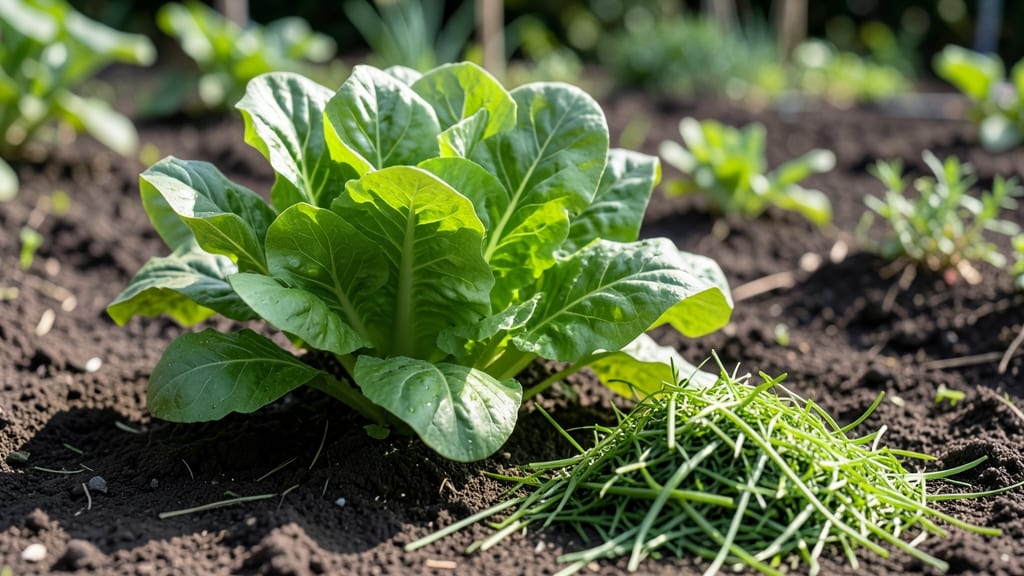
Putting grass clippings in your garden enriches soil with nitrogen, boosts moisture retention, and cuts waste—just spread thin layers to prevent smothering plants or attracting pests. Fresh or composted clippings both work well.
Grass clippings act like a natural fertilizer, breaking down to release nitrogen and other nutrients that feed your plants over time. 🌱 The key is balance—too much can create thatch or invite fungus, while the right amount improves soil structure and reduces watering needs.
I always mix them with compost or other organic matter to create the perfect growing environment for my vegetable beds.
For best results, spread clippings lightly (about ¼-inch thick) around plants or work them into the top inch of soil. If you're dealing with fresh clippings, let them dry for a day first to prevent matting. This simple practice turns lawn maintenance into a soil-building powerhouse.
💡 In This Article
- How Grass Clippings Improve Garden Soil Chemistry
- Best Practices for Using Grass Clippings in Your Garden
How grass clippings improve garden soil chemistry
Grass clippings are essentially a slow-release nitrogen bomb for your garden. When they decompose, they release this essential nutrient in a form that plants can easily absorb.
A typical ½-inch thick layer of clippings contains about 1-2 pounds of nitrogen per 1,000 square feet, which is roughly equivalent to 0.5-1 pound of synthetic fertilizer.
The decomposition process also stimulates microbial activity in the soil, creating a thriving ecosystem that breaks down organic matter more efficiently. 🌱
Fresh clippings begin decomposing within days, but their effectiveness depends on how they're applied. When spread thinly, they break down quickly, releasing nitrogen over 2-4 weeks. However, if left in thick piles, they can create a mat that blocks sunlight and air, slowing decomposition and potentially suffocating plants.
Aged or composted clippings, on the other hand, have already undergone partial decomposition, making their nutrients more immediately available while reducing the risk of smothering plants.
The nitrogen boost isn't the only benefit—clippings also improve soil structure by adding organic matter that enhances water retention. A soil sample with 5% organic matter (the ideal range) can hold 20% more water than soil with just 1% organic matter.
This means less watering for your garden, especially during dry spells. The clippings also help balance soil pH slightly, as they're generally neutral to mildly acidic (pH 6.5-7.0), which is ideal for most garden plants.
What most people don't realize is how clippings influence the soil's microbial population. The decomposition process feeds beneficial bacteria and fungi, which in turn help break down other organic materials in the soil. This creates a self-sustaining cycle where the soil becomes richer and more fertile over time.
For example, a study by the University of Nebraska found that gardens amended with grass clippings showed 30% more microbial activity compared to those without. 🔬
However, there's a catch: clippings from lawns treated with herbicides or pesticides can harm your garden. These chemicals can linger in the clippings and inhibit microbial activity or even poison plants.
Always use clippings from untreated lawns to maximize their benefits. If you're unsure, composting them first is a safer option, as heat during composting can break down many chemicals.
For the best results, mix clippings with other organic materials like leaves, straw, or compost. This creates a balanced environment where decomposition happens efficiently without creating a nitrogen-rich but carbon-poor soil.
A good rule of thumb is to aim for a 30:1 carbon-to-nitrogen ratio in your compost or soil amendments, which helps prevent odors and ensures complete breakdown of organic matter.