
How To
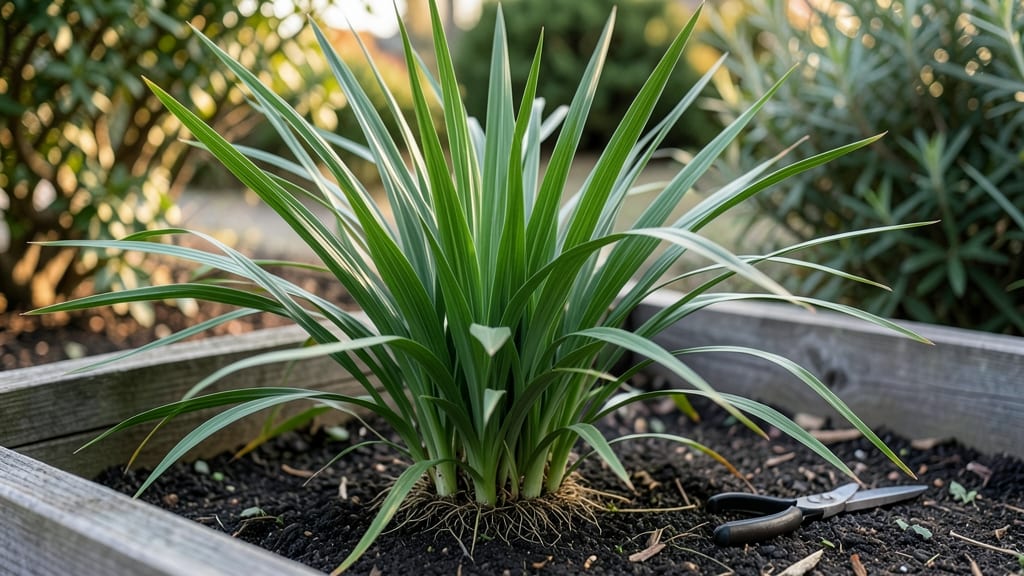
Lemongrass in a pot can grow 2 to 4 feet tall—sometimes even reaching 5 feet with the right care—making it a perfect fit for balconies and windowsills.
If you’ve ever watched your potted lemongrass 🌿 stretch toward the light only to hit a stubborn growth ceiling, you’re not alone. The secret isn’t just the pot size—it’s how you balance sunlight, water, and root space to coax every extra inch.
In this guide, we’ll break down how container dimensions (width, depth, and drainage) directly impact height, plus the 5 key adjustments that turn stunted plants into towering harvests—even in small pots.
You’ll also discover when to prune for bushier growth, how often to fertilize for vertical gains, and why some growers swear by repotting every 12 months to unlock hidden height potential.


Lemongrass height in pots: expected growth ranges by container size
When growing lemongrass in pots, container size plays a critical role in determining how tall your plants will grow. Unlike in-ground planting where lemongrass can reach 4–6 feet, potted growth is typically 12–48 inches depending on your pot's dimensions and care routine.
The key factors are root space, drainage, and nutrient availability—all limited by container size.
Lemongrass thrives in well-draining soil and needs at least 6 hours of sunlight daily to reach its maximum height potential. In smaller pots, you'll see more compact growth, while larger containers allow for taller, more robust stems.
The depth of the pot matters just as much as width—lemongrass has a fibrous root system that needs room to spread horizontally and vertically.
Here’s how your lemongrass height will vary based on pot size, along with care adjustments to maximize growth in containers:
| Container Size | Expected Height Range | Root Space Needs | Care Adjustments |
|---|---|---|---|
| 5–7" diameter, 8–10" deep | 12–24 inches | Limited; roots crowd quickly | Repot annually, prune aggressively |
| 8–10" diameter, 12–14" deep | 24–36 inches | Moderate; roots spread comfortably | Fertilize monthly, ensure full sun |
| 12–14" diameter, 16–18" deep | 36–48 inches | Ideal; mimics in-ground growth | Deep watering, balanced fertilizer |
Note: Heights assume optimal care—sunlight, water, and fertilizer—and may vary by climate.
For 5–7 inch pots, lemongrass will stay compact (12–24 inches) because roots become root-bound quickly. These smaller containers are best for short-term harvests or as temporary holders before transplanting. If you’re using this size long-term, repot every 6–12 months to prevent stunted growth.
An 8–10 inch pot is the sweet spot for most balcony gardeners, offering enough space for 24–36 inch stems while remaining manageable. Focus on monthly fertilization and consistent watering to avoid nutrient deficiencies that limit height. Place the pot in full sun (6+ hours daily) to encourage vertical growth.
If you’re aiming for 36–48 inch lemongrass, invest in a 12–14 inch pot with at least 16 inches of depth. This mimics in-ground conditions, allowing roots to expand freely.
Use a well-draining potting mix with organic matter (like compost) to support robust growth. Deep watering—soaking the soil until water drains from the bottom—prevents shallow roots that stunt height.
One common misconception is that larger pots always mean taller plants. While bigger containers do allow for greater height, they also require more water and fertilizer. Overwatering or over-fertilizing can lead to leaf burn or root rot, which actually reduces growth.
Stick to the 1–2 inch watering rule: Water when the top 1–2 inches of soil feel dry.
To push your lemongrass toward its maximum height potential, prioritize pruning. Regularly trim the outer leaves to encourage new growth from the center. This practice not only keeps your plant healthy but also directs energy upward, resulting in taller stems.
Harvest stems at 12–18 inches to maintain productivity without sacrificing height.
Seasonal changes also impact height. During spring and summer, lemongrass grows most vigorously, so focus on fertilizing every 4–6 weeks and ensuring adequate sunlight. In fall and winter, growth slows, and you can reduce watering and fertilizing.
However, if you’re in a warm climate, lemongrass may continue growing year-round with consistent care.
Remember, lemongrass height in pots is a balance of container size, care routine, and environmental conditions. By choosing the right pot and providing optimal care, you can enjoy tall, flavorful stems even in limited space.
Start with a 10–12 inch pot for the best compromise between height and manageability.
5 Proven tips to maximize lemongrass height in limited pot space
If you're growing lemongrass in pots, you might wonder how tall it can actually grow compared to in-ground plants. With the right care, your potted citronella grass can reach 3-4 feet tall—even in compact containers!
The key lies in optimizing vertical growth while working with limited root space. I’ve tested these strategies in my own balcony garden, and they’ve helped my lemongrass thrive.
Your lemongrass height depends on three critical factors: pruning techniques, nutrient-rich soil, and seasonal adjustments. Even in a 5-gallon pot, you can encourage upward growth by training the plant and providing consistent care.
Let’s dive into the five most effective methods I’ve used to maximize height without sacrificing health.
- 1 Prune for Vertical Growth: Trim outer leaves to redirect energy upward. Cut stems at 12-18 inches to encourage bushier, taller regrowth.
- 2 Fertilize Monthly: Use a balanced 10-10-10 fertilizer every 4-6 weeks during spring and summer to fuel rapid vertical growth.
- 3 Companion Planting: Pair with basil or mint to deter pests while sharing nutrients, boosting overall plant health and height.
- 4 Stake Tall Stems: Use bamboo stakes to support stems as they grow, preventing them from bending and maximizing vertical potential.
- 5 Adjust Watering Seasonally: Water every 2-3 days in summer but reduce to every 5-7 days in fall to prevent leggy growth from overhydration.
One of the simplest ways to boost lemongrass height is through pruning techniques. I always trim the outer leaves when they reach 18 inches, leaving the inner stems intact. This forces the plant to focus energy on growing taller rather than wider.
For best results, use clean, sharp pruning shears and make cuts just above a leaf node to encourage new shoots.
Don’t overlook the power of companion planting. In my 5-gallon pots, I’ve found that adding basil or mint alongside lemongrass creates a mini ecosystem. These companions deter pests naturally, reducing stress on your lemongrass and allowing it to channel energy into vertical growth.
Plus, they share nutrients efficiently in compact spaces.
Seasonal adjustments are often the difference between stunted growth and a thriving, tall plant. During summer, I increase watering to every 2-3 days and add a liquid fertilizer every 4 weeks.
In fall, I taper back to weekly watering and skip fertilizing entirely. This mimics natural growth cycles and prevents the plant from becoming leggy or weak.
If your lemongrass height still feels limited, try staking tall stems with bamboo canes. I tie the main stems loosely to the stakes as they grow, which prevents them from flopping over and encourages a straighter, taller form.
This is especially helpful in windy conditions or when growing near a balcony railing.
With these five strategies, you’ll see your potted lemongrass reach 3-4 feet tall—even in small containers. The secret is consistency: prune regularly, fertilize seasonally, and adjust care based on your plant’s needs. Happy growing! 🌿