
Lawn
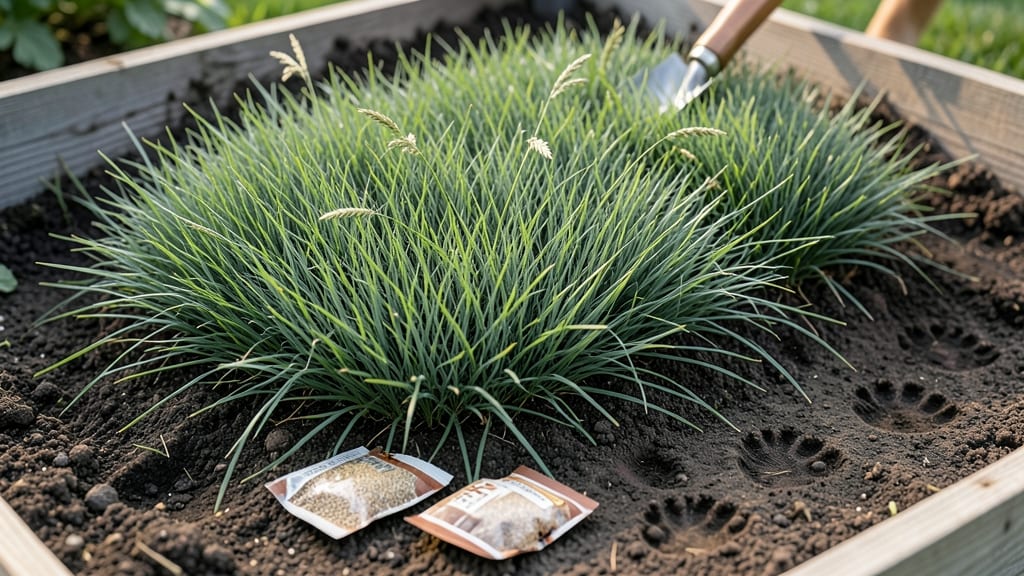
When choosing grass seed around dogs, you must be cautious because certain varieties contain endophytes or high levels of soluble carbohydrates that can cause digestive upset or neurological issues. Always opt for certified pet-safe seed blends and monitor outdoor access closely.
Not all grass seed is equally safe for dogs—some common lawn varieties like tall fescue and ryegrass with endophytes can contain natural toxins that disrupt your dog's nervous system. 🐕 Symptoms of ingestion may include drooling, vomiting, or even seizures, depending on the amount consumed.
The risk increases when dogs chew freshly planted areas, so timing matters just as much as seed selection.
For a worry-free lawn, consider Kentucky bluegrass or buffalo grass blends labeled "pet-safe," which avoid toxic endophyte strains. I recommend planting in fall when dogs are less likely to dig, and using seed with 100% natural ingredients—no chemical additives.
If your yard has high-risk areas, ground covers like clover can provide safe alternatives while still supporting a lush landscape.
💡 In This Article
- Toxic Grass Seed Varieties Dogs Should Avoid
- Safe Grass Seed Options for Dog-Friendly Lawns
Toxic grass seed varieties dogs should avoid
The danger lies in specific grass seed varieties that produce natural toxins during growth. Tall fescue and certain ryegrass strains contain endophytes—fungal organisms that produce ergot alkaloids, which disrupt a dog's nervous system.
These compounds can cause symptoms ranging from drooling and vomiting to more severe neurological issues like seizures, especially in small breeds or puppies with lower body weight.
Another risk comes from grasses containing prussic acid (hydrogen cyanide), particularly in young, rapidly growing plants. Sorghum and sudangrass are notorious offenders, producing this toxin when stressed or damaged—like when a curious pup chews the stems.
Even small amounts can be dangerous, as prussic acid interferes with cellular oxygen use, leading to respiratory distress within minutes. The scent of bitter almonds often accompanies these grasses, though not all dogs can detect it.
What makes this especially concerning is how these toxins accumulate. Endophyte-infected seeds may not show immediate symptoms until the grass has been growing for 2-3 weeks, when the fungal relationship becomes fully established.
This means even "safe" seed blends can turn hazardous if they contain hidden endophyte strains. Always check labels for "endophyte-free" certifications—this simple step can prevent accidental poisoning.
Symptoms typically appear within 6-48 hours of ingestion, depending on the toxin and the dog's size. Early signs include excessive salivation, lethargy, and loss of appetite, which owners often mistake for mild stomach upset.
However, without intervention, these can progress to muscle tremors, incoordination, and even coma. The key is recognizing the pattern: sudden onset after outdoor exposure, especially in areas with newly planted grass.
Breed susceptibility varies dramatically. Smaller dogs like Chihuahuas or Dachshunds are at higher risk due to their lower body mass, while larger breeds may show symptoms only after consuming significantly more plant material.
The LD50 (lethal dose) for ergot alkaloids in dogs is estimated at 0.5-1 mg per kg of body weight, meaning even a small amount can be dangerous for a 10-pound pup. This highlights why supervision is critical during planting seasons.
If you suspect poisoning, immediate veterinary care is essential. Treatment often involves inducing vomiting (if ingestion was recent) and administering activated charcoal to bind remaining toxins. In severe cases, supportive care like IV fluids and anti-seizure medications may be required.
The good news? Most cases resolve with prompt treatment, but prevention through proper seed selection remains the safest approach.