
Light Requirements
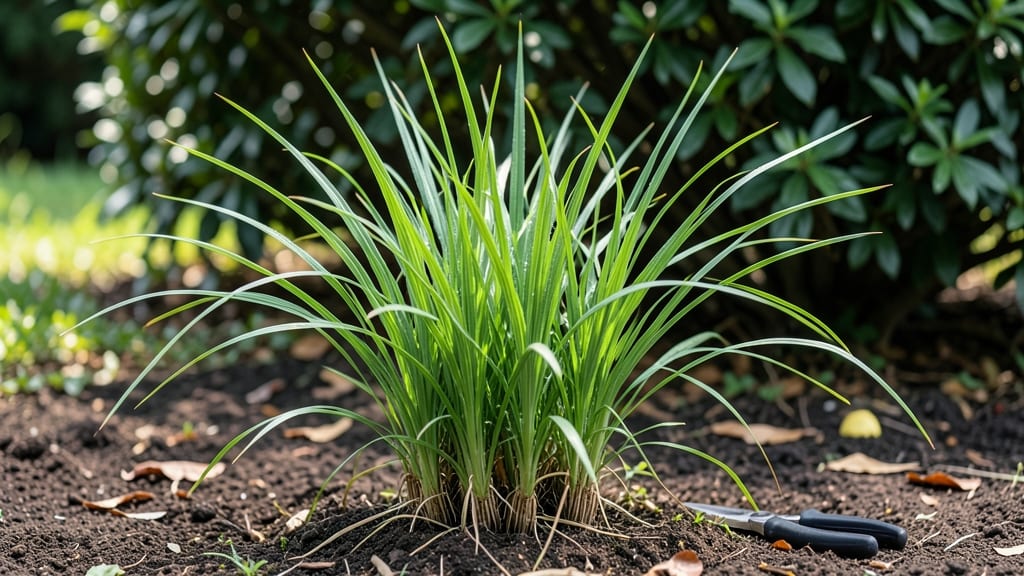
Does lemon grass need sun, or will it wilt under too much of it—since finding the right balance is everything for its delicate leaves?
If your lemon grass plants are growing slowly or producing weak stems, sunlight exposure might be the missing piece of the puzzle. Yet too much sun can scorch its delicate leaves, while too little weakens growth and dulls that signature citrus kick.
In USDA Zone 6a, outdoor lemon grass planted in spring (April–May) needs full sun to develop thick, flavorful stems. But indoor growers can mimic this with a south-facing window or a grow light for 8–10 hours a day.
Below, I’ll break down the ideal light conditions, how to spot sun stress, and simple fixes to keep your lemon grass 🌿 lush and productive all season.

Optimal sunlight requirements for lemon grass growth and flavor
Lemon grass (Cymbopogon citratus) thrives in bright, indirect light but can handle full sun exposure with proper acclimation. The right amount of sunlight directly impacts stem thickness, leaf vibrancy, and the essential oil production that gives lemon grass its signature citrusy aroma.
Too little light results in weak, spindly growth, while excessive sun can scorch tender leaves—especially in hot climates.
In my experience growing lemon grass in USDA Zone 6a, the sweet spot is 6 to 8 hours of sunlight daily. This balance ensures robust stems (ideal for harvesting) and maximizes the plant's natural citral content, the compound responsible for its zesty flavor.
However, lemon grass is adaptable, making it suitable for both outdoor gardens and indoor windowsills with supplemental lighting.
Here’s how sunlight affects lemon grass growth at different stages:
The ideal sunlight range for lemon grass is 6 to 8 hours daily, but this can vary based on your climate. In hot, dry regions like Arizona or California, afternoon shade becomes crucial to prevent leaf burn.
I’ve found that providing morning sun and afternoon shade works beautifully in these areas, mimicking the plant’s natural tropical habitat.
If you’re growing lemon grass in containers or indoors, aim for a south-facing window or use a grow light for 12-14 hours daily. Without sufficient light, stems become leggy and weak, and the leaves lose their vibrant green hue.
I’ve seen indoor lemon grass plants recover when moved to brighter conditions, but it takes 2-4 weeks for new growth to adjust.
Signs of insufficient sunlight include pale leaves, elongated stems, and slow growth. Conversely, too much direct sun causes crispy, brown edges on leaves—a clear sign of sunburn.
In my garden, I’ve noticed that lemon grass grown in partial shade (like under a 50% shade cloth) produces slightly less potent essential oils but grows more uniformly in high-heat zones.
For the best flavor and harvest, prioritize bright, indirect light during the plant’s active growing season (spring to fall). If you’re in a cooler climate, like the Pacific Northwest, lemon grass can tolerate full sun year-round without stress.
The key is observing your plant’s response—adjust shading or light exposure gradually to avoid shocking the roots.
Pro tip: Rotate container-grown lemon grass quarter-turns weekly to ensure even sunlight exposure. This simple habit prevents stems from leaning toward light sources and promotes balanced growth.
I’ve also had success using reflective surfaces, like white walls or aluminum foil, to bounce extra light onto plants in shadier spots.
Remember, lemon grass is a tropical herb, so it craves warmth and light. If your plants are struggling, don’t hesitate to experiment with artificial grow lights or relocate them to sunnier spots.
With the right light balance, you’ll enjoy bold, flavorful stems ready for harvesting in as little as 90 days.
How to adjust light conditions for indoor vs outdoor lemon grass
Growing lemon grass successfully depends on mastering light conditions, whether you're cultivating it in containers on a windowsill or planting it directly in your garden beds. This tropical herb thrives in bright conditions but can easily suffer from light stress if not given the right balance.
Let's explore how to create the perfect light environment for both indoor and outdoor setups.
For outdoor lemon grass, the ideal spot is one that receives 6-8 hours of direct sunlight daily, especially in warm, sunny climates. However, in hotter regions, providing afternoon shade can prevent leaf burn while maintaining strong growth.
If you're growing lemon grass in containers on a patio, simply rotate the pots every few days to ensure even exposure.
Indoors, the challenge shifts to replicating natural sunlight. A south-facing window is your best bet, as it offers the most intense light throughout the day. If your home lacks such a window, a grow light can bridge the gap—especially during shorter winter days when natural light diminishes.
⚠️ callout-warning
While lemon grass thrives in full sun, it can suffer from leaf burn or wilting if exposed to intense afternoon heat without relief. In USDA Zones 9-11, provide 3-4 hours of shade during peak sun hours. For indoor plants, 12-14 hours of light daily (natural or artificial) is ideal—any less leads to weak, leggy stems.
🌱 Pro Tip: Rotate containers weekly for even growth.
If you're growing lemon grass in containers indoors, supplement with a full-spectrum LED grow light placed 6-12 inches above the plant for 12-14 hours daily. Position the light on a timer to mimic natural daylight cycles, which helps prevent stretched or pale growth.
For outdoor containers, ensure pots have drainage holes and use a lightweight potting mix to prevent root stress.
Seasonal adjustments are key—during summer months, outdoor lemon grass may need partial shade to prevent overheating, while winter indoor plants might require extra grow light to compensate for shorter days.
Monitor your plant's leaf color and growth rate: deep green leaves indicate optimal light, while yellowing or brown tips signal stress.
For urban gardeners with limited space, consider a south-facing balcony or rooftop garden where lemon grass can receive unfiltered sunlight while still being accessible. If your balcony faces north, a reflective surface like a white wall or mirror can help maximize light exposure.
Always keep an eye on soil moisture—drier conditions require more frequent watering under intense light.
With the right light adjustments, your lemon grass will grow vigorous stems and aromatic leaves, ready for harvesting in as little as 90 days. Whether you're growing it for culinary use or simply as a fragrant ornamental, balancing light exposure is the secret to success. 🌿