
Lawn
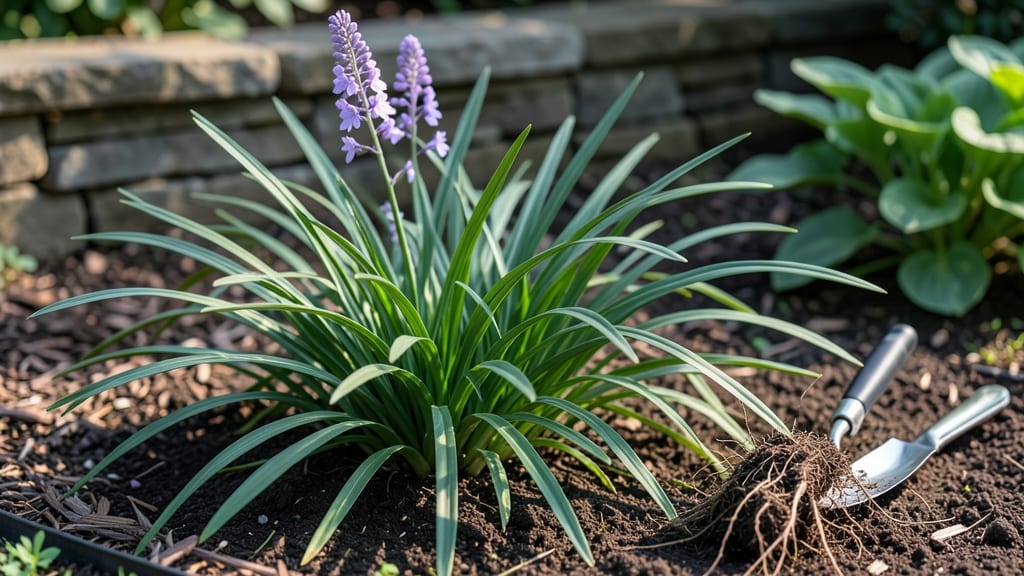
Planting monkey grass transforms bare spots into vibrant, weed-proof ground cover in just a few weeks. ✨ The key is timing—spring or early fall gives roots time to establish before summer heat or winter freeze.
I’ve used it to fill shady garden edges where other plants struggle, and the results are shockingly lush. Start with healthy clumps or divisions, spacing them 12-18 inches apart in well-draining soil. Dig holes just deep enough to cover the roots, then water thoroughly to settle the soil.
Monkey grass thrives in partial shade but tolerates full sun if kept moist during the first growing season. By the end of summer, you’ll see dense foliage spreading naturally, crowding out weeds without extra effort.
The grass-like blades stay deep green year-round, even in winter, and handles foot traffic better than most ornamental grasses. Perfect for borders, slopes, or containers—just avoid soggy soil. Here’s how to avoid the most common mistakes and get that neighbor-jealousy level spread.
📚 In This Guide
- What you need
- Instructions
- Tips and common mistakes
- Wrapping up and next steps
What you need
- ● Monkey grass plants: 5–10 healthy nursery-grown plants (or divisions from an existing clump). Choose Liriope muscari for compact growth or Liriope spicata for taller varieties.
- ● Garden trowel or shovel: A sharp, medium-sized trowel (6–8 inches) for digging small holes or a flat-edged shovel for larger plantings.
- ● Compost or well-aged manure: 2–3 cups per plant to enrich soil fertility and improve drainage.
- ● Organic mulch: 2–3 inches of pine straw, shredded bark, or wood chips to retain moisture and suppress weeds.
- ● Garden hose or watering can: With a gentle spray nozzle for post-planting watering.
- ○ Gloves (optional but recommended): Heavy-duty gardening gloves to protect your hands from soil and sharp plant edges.
- ● Soil amendment: Perlite or coarse sand (1 part per 3 parts soil) if your soil is heavy clay.
- ● Slow-release fertilizer: 10-10-10 or a balanced organic fertilizer (follow package rates).
- ● Edging tool: For defining borders if planting in rows.
- ● Knee pads or stool: For comfort during longer planting sessions.
- ● Plant labels: To track varieties if mixing types.
Step-by-step instructions for planting monkey grass
Here's my foolproof method for establishing lush, drought-tolerant monkey grass that spreads beautifully without constant attention.
🌱 Step 1: Choose the Perfect Planting Location
Monkey grass thrives in full sun to partial shade—at least 4-6 hours of direct sunlight daily. I always scout the site first, watching how sunlight moves across the area throughout the day. The ideal spot gets morning sun and afternoon shade in hotter climates, preventing leaf scorch while still encouraging vigorous growth.
This grass tolerates poor soil but grows most beautifully in well-draining soil with a slightly alkaline pH (7.0-8.0). If your soil is heavy clay, amend with 1-2 inches of coarse sand or perlite mixed into the top 6 inches of soil. The roots will spread aggressively, so avoid planting near sidewalks or foundations where you don't want it to encroach.
🪴 Step 2: Prepare the Soil and Planting Area
Clear the planting area of weeds and debris, then loosen the soil to a depth of 8-12 inches using a garden fork. Monkey grass has fibrous roots that need room to establish, so breaking up compacted soil prevents future crowding. I like to rake the surface smooth afterward—this helps the grass spread evenly without creating bare patches.
For new installations, create shallow furrows 1-2 inches deep spaced 12-18 inches apart if planting multiple sections. The grass will spread on its own over time, but starting with proper spacing prevents overcrowding in the first growing season. If planting from divisions, place each section with the crown just below soil level—burying too deep suffocates the plant.
💧 Step 3: Plant and Water for Initial Establishment
Place the monkey grass divisions or plugs into the prepared furrows, spacing them 18-24 inches apart for a fuller look. Gently firm the soil around the base, but avoid compacting it—you want the roots to push through easily. Water immediately after planting to settle the soil and remove any air pockets around the roots.
For the first 2-3 weeks, keep the soil consistently moist but never soggy. You'll know it's right when the surface feels damp to the touch but doesn't puddle. After that, reduce watering to once weekly or when the top 1-2 inches of soil feel dry. Overwatering is the fastest way to invite fungal issues, especially in dense plantings.
☀️ Step 4: Maintain and Encourage Spread
Once established, monkey grass needs minimal care—just monthly mowing to 2-3 inches tall keeps it tidy and encourages dense growth. I use a string trimmer for edges because its fibrous texture resists clean cuts. The grass spreads rapidly through underground runners, so you'll see new shoots popping up within 4-6 weeks of planting.
Fertilize lightly in spring with a balanced, slow-release granular fertilizer (10-10-10) applied at half strength. Too much nitrogen produces lush but weak growth that flops in heat. In drought-prone areas, water deeply every 2-3 weeks during summer to maintain color and texture—wilting is normal but recovery is quick once rehydrated.
✂️ Step 5: Divide and Control Spread as Needed
Every 2-3 years, dig up sections of the grass in early spring to refresh growth. The fibrous roots divide easily—just pull apart with your hands. Replant the divisions in new areas or share with neighbors. If the grass spreads too aggressively, trim the runners with pruning shears in late summer to redirect energy toward the main clumps.
Watch for signs of stress like yellowing leaves or brown tips—these usually indicate either overwatering or nutrient deficiency. Adjust your care routine accordingly. With proper sunlight and occasional maintenance, your monkey grass will create a lush, low-maintenance ground cover that outshines traditional lawns in both beauty and resilience.
Tips & tricks for perfect monkey grass planting
A few strategic moves will help you avoid common pitfalls and create that dreamy, drought-resistant ground cover.
Sunlight Strategy: The 4-6 hours of sunlight requirement is non-negotiable for vibrant growth, but here's the secret: if your area gets intense afternoon sun, consider planting in a spot that gets morning sun and afternoon shade. This prevents leaf scorch while still giving the grass enough energy to spread aggressively. I've seen monkey grass in full sun turn crispy by midday—watch for those brown tips as an early warning sign.
Soil Prep Secret: When amending heavy clay soil with 1-2 inches of coarse sand or perlite, don't just sprinkle it on top! Mix it thoroughly into the top 6 inches using a garden fork. This creates proper drainage channels for those fibrous roots to establish. I've had clients skip this step and end up with waterlogged patches that attract fungus—don't make that mistake.
Planting Depth Matters: The crown should be just below soil level—this is critical for preventing rot. If you bury it too deep, the plant suffocates; if it's too high, it dries out. I use my finger to make a small dimple in the soil where the crown sits, then gently pat it in place. This creates perfect contact with the soil without burying the base.
Watering Wisdom: That "consistently moist but never soggy" rule is harder to judge than it sounds. Here's my test: stick your finger about 1 inch into the soil. If it feels damp like a wrung-out sponge but not dripping, you're golden. After the initial 2-3 weeks, let the top 1-2 inches dry out completely before watering again—this trains the roots to seek moisture deeper in the soil.
Pro Tips for How Do You Plant Monkey Grass
- A few strategic moves will help you avoid common pitfalls and create that dreamy, drought-resistant ground cover.
- This prevents leaf scorch while still giving the grass enough energy to spread aggressively.
- Soil Prep Secret: When amending heavy clay soil with 1-2 inches of coarse sand or perlite, don't just sprinkle it on top!
Frequently asked questions
Got questions about planting monkey grass? You’re not alone! Here are answers to the most common queries to help you grow a thriving, low-maintenance lawn with ease.
What’s the best time of year to plant monkey grass?
Plant monkey grass in early spring or late summer for ideal results. These seasons offer mild temperatures and consistent moisture, giving roots time to establish before extreme heat or cold. Avoid planting in peak summer—drought stress can stunt growth.
Can I plant monkey grass from seed, or do I need sod?
Both work, but sod is faster and easier for instant coverage. Seeds take 4–6 weeks to germinate and require more patience and care (like frequent watering and weed control). If you’re short on time or want quick results, sod wins. For DIYers, seeds are budget-friendly!
How often should I water newly planted monkey grass?
Keep soil consistently moist (not soggy!) for the first 2–3 weeks after planting. Water early in the morning (1–1.5 inches per week) to encourage deep root growth. Once established, monkey grass is drought-tolerant—reduce watering to once a week (or less in rainy climates).
What pests or diseases should I watch for with monkey grass?
Monkey grass is resistant to most pests, but watch for grubs, chinch bugs, or fungal issues (like brown patch) in humid or poorly drained areas. Prevent problems with proper spacing (12–18 inches apart) and good airflow. If spots appear, treat with neem oil or fungicide as needed.
Will monkey grass spread aggressively, or can I control its growth?
Yes, it spreads via rhizomes, but it’s not invasive like bamboo. To control it, mow regularly (3–4 inches tall) and edge borders with a spade or barrier. If it encroaches where you don’t want it, hand-pull runners in early spring. It’s low-maintenance but not wildly aggressive!
Wrapping up and next steps
Planting monkey grass is a fantastic way to add a touch of tropical charm to your yard with minimal effort! 🌿 With its fast-spreading nature and drought-resistant traits, this hardy grass thrives in various conditions—just give it the right spot, a little prep, and patience.
Whether you’re a seasoned gardener or a beginner, your new lawn will reward you with vibrant, lush growth in no time.
Ready to take the next step? Grab your gloves, gather your supplies, and start planting! Before you know it, you’ll be enjoying a stunning, low-maintenance lawn that’s the envy of the neighborhood. Happy gardening! 🌱