
Lawn
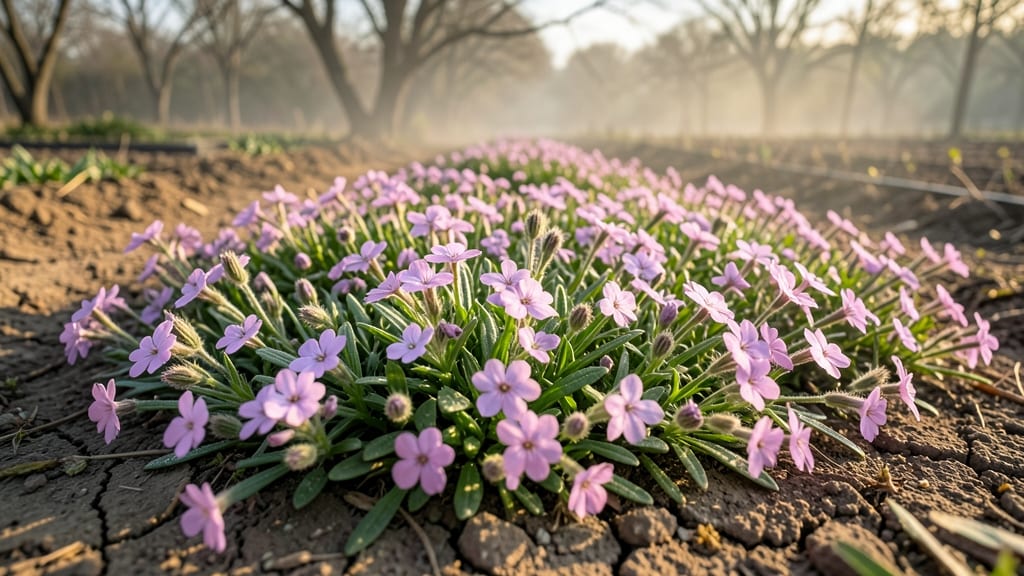
Struggling to grow grass in shady, dry, or rocky patches? These 10 resilient ground covers transform problem areas into lush, low-maintenance landscapes that require minimal water, thrive in poor soil, and outcompete weeds naturally.
Creeping Thyme for Sun-Kissed Dry Spots
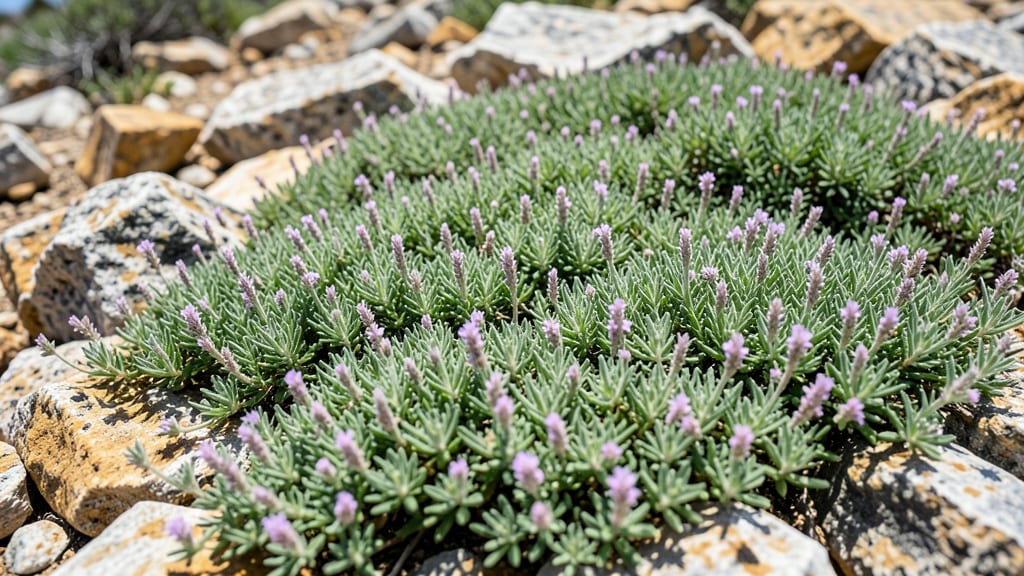
If your garden has sunny, rocky patches where grass refuses to grow, creeping thyme is your secret weapon. This drought-resistant perennial thrives in full sun, spreading effortlessly to create a fragrant, pest-deterring carpet that outcompetes weeds naturally.
Plant it in well-drained soil between pavers, on slopes, or along driveways where grass would struggle. Its aromatic foliage repels rabbits and deer while attracting pollinators with delicate purple flowers in late spring. Once established, it needs almost no water—ideal for water-wise gardens.
Perfect for beginners or busy gardeners, creeping thyme transforms barren spots into a low-maintenance, sensory-rich landscape. 🌿
Hostas for Deep Shade Gardens
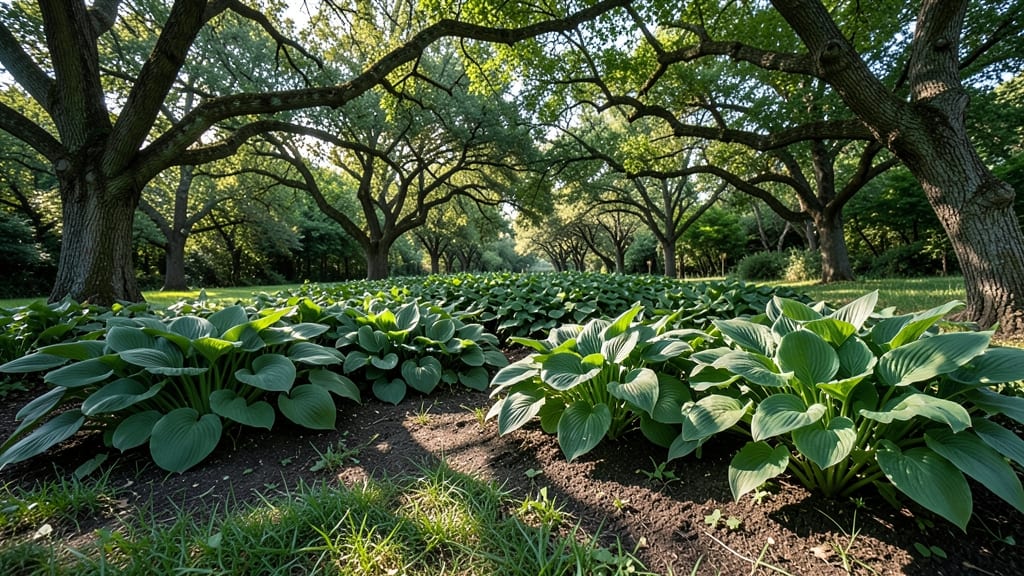
When your yard has patches where grass refuses to grow—especially under the dense canopy of trees—hostas become your secret weapon. These shade-loving perennials thrive in conditions where sunlight barely reaches, transforming barren spots into vibrant, textured ground cover that spreads effortlessly.
Hostas come in a stunning array of foliage patterns, from deep blue-green to variegated cream-and-green varieties, adding visual interest even without flowers. They multiply rapidly through underground rhizomes, filling large areas under trees within a few seasons. For best results, plant in well-draining, moist soil and provide afternoon shade—ideal for woodland gardens, foundation plantings, or beneath mature trees where grass struggles.
Perfect for gardeners who want low-maintenance beauty with minimal upkeep, hostas also deter deer and rabbits, making them a practical choice for problem areas. 🌿
Clover as Natural Grass Alternative
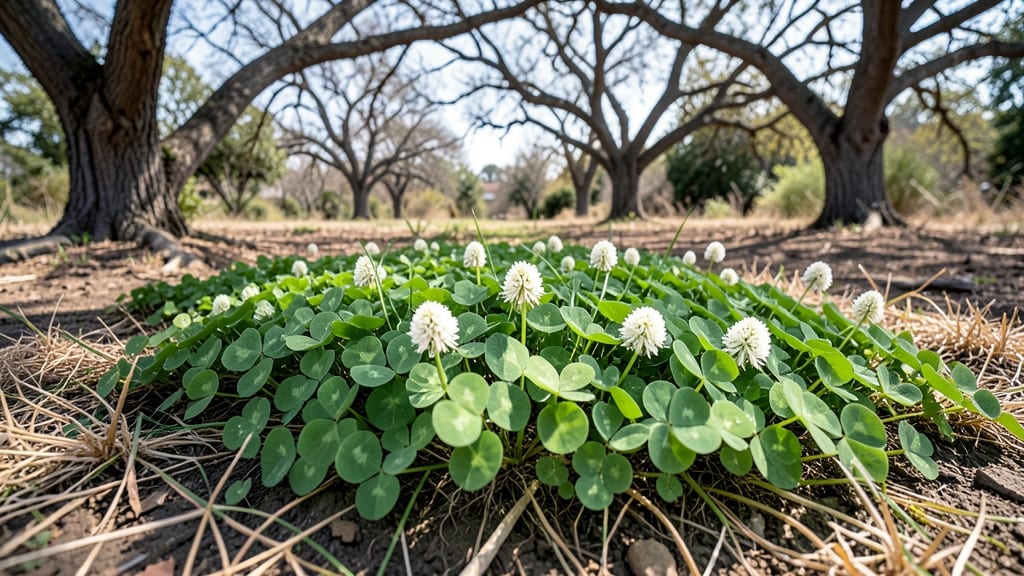
Tired of patchy grass that turns brown in drought or fades under trees? White Dutch clover isn’t just a childhood memory—it’s a hardy, nitrogen-fixing ground cover that thrives where grass gives up. This low-growing legume stays lush in partial shade, crowds out weeds naturally, and even handles light foot traffic better than many lawn grasses.
Plant it in spring or early fall after mowing or tilling the existing lawn to a height of 1-2 inches. Clover spreads quickly, so overseeding lightly (about 1 pound per 100 square feet) gives you a dense, drought-tolerant carpet that stays green even when grass wilts. It also attracts pollinators with its tiny white flowers, turning your lawn into a mini ecosystem.
Perfect for eco-conscious gardeners, families with pets, and urban yards where traditional grass struggles, clover requires no fertilizers (thanks to its nitrogen-fixing roots) and stays green through summer heat. 🌱
Sedum 'Dragon's Blood' for Rocky Terrains
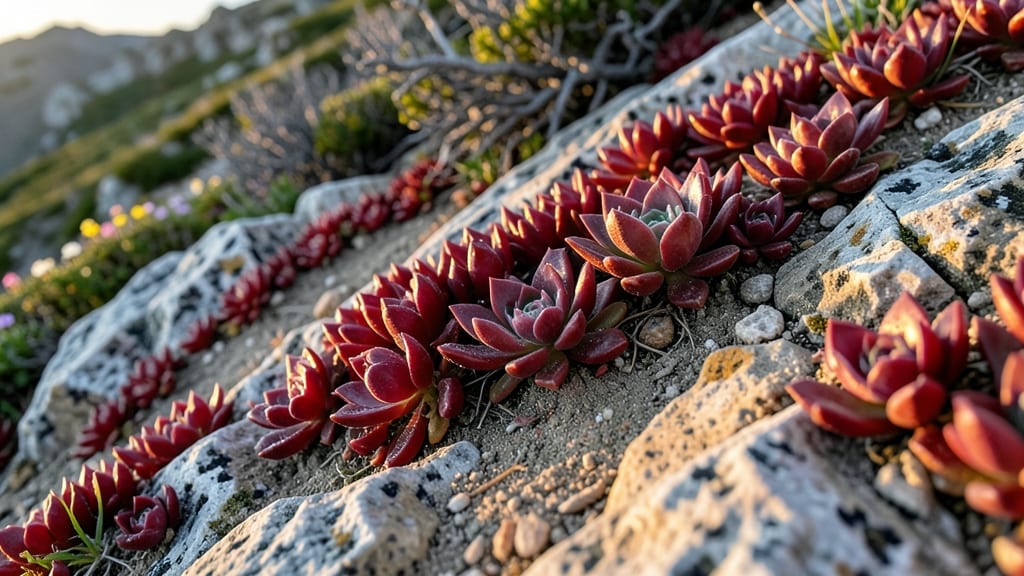
Turn your rocky slopes and alpine gardens into vibrant landscapes with Sedum 'Dragon's Blood', a striking succulent ground cover that thrives where grass refuses to grow. Its deep red foliage adds bold color to poor, well-drained soil, making it perfect for areas with shallow roots or rocky terrain.
Once established, this hardy plant requires almost no water, making it ideal for drought-prone areas. Plant in full sun for the most intense color, and watch it spread quickly to create a lush, low-maintenance carpet. Its small, star-shaped flowers in late summer add an extra touch of charm.
Perfect for gardeners who want a low-maintenance solution that adds drama without the upkeep, this sedum is especially great for alpine gardens, rockeries, or anywhere with challenging growing conditions. 💚
Liriope Muscari for Moisture-Retentive Areas
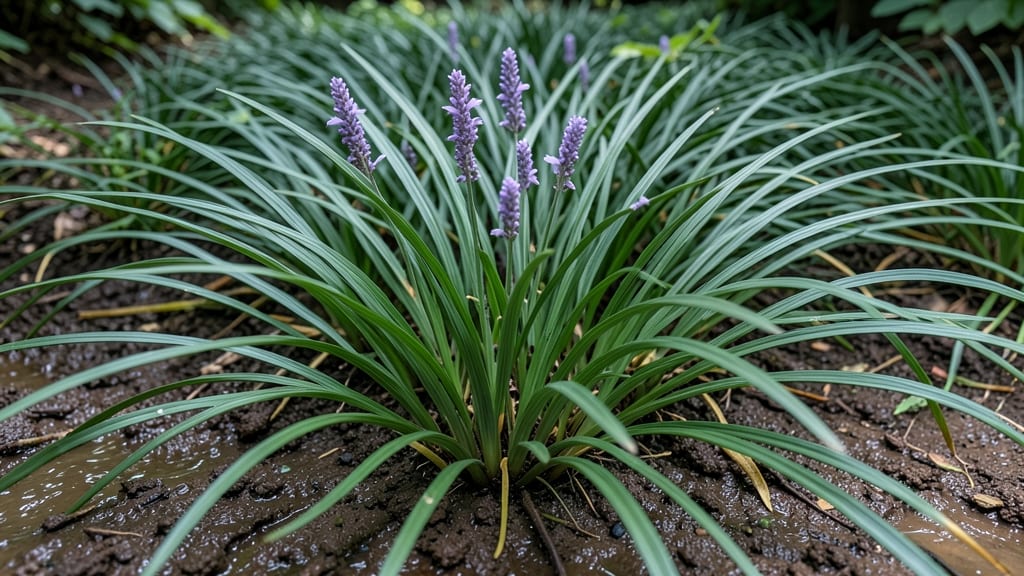
Tired of battling soggy soil where grass just won’t survive? Liriope muscari—also called "monkey grass"—thrives in moisture-retentive areas that would drown other plants. This grass-like perennial spreads aggressively to outcompete weeds while adding ornamental purple spikes that bloom in late summer.
Plant it in full sun to partial shade along pond edges, rain gardens, or low-lying spots where water pools. It tolerates both wet and average soil conditions, making it ideal for areas with poor drainage. Simply divide clumps every 3-4 years to maintain control and enjoy its year-round greenery with minimal effort.
Perfect for gardeners dealing with soggy patches or those who want a low-maintenance, ornamental solution that doubles as a weed barrier. 💚
Ajuga 'Chocolate Chip' for Woodland Gardens
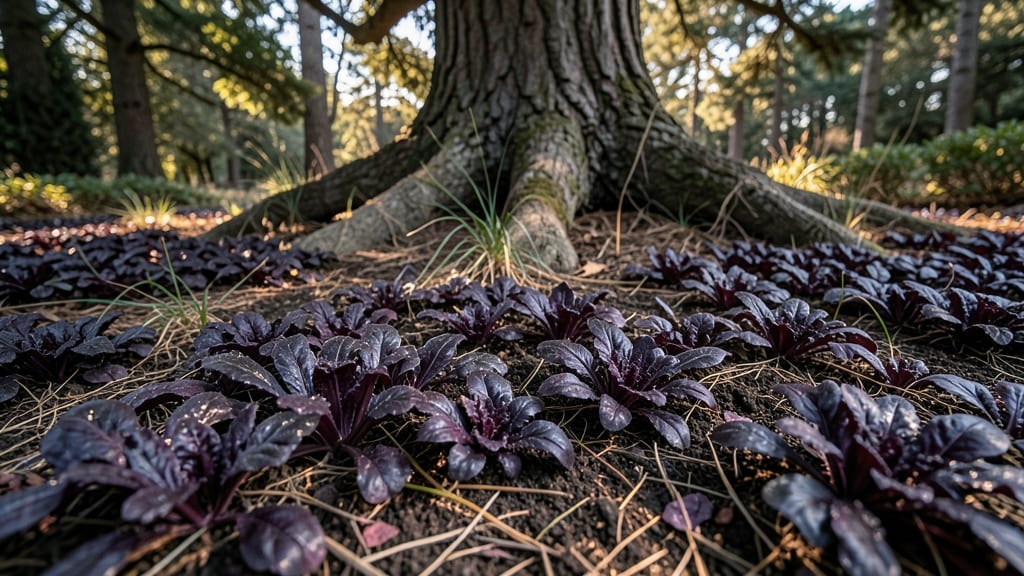
Tired of bare soil under your trees where grass refuses to grow? Ajuga 'Chocolate Chip' transforms those forgotten spots into a living carpet of deep purple foliage with a metallic sheen—no sun required. This shade-loving ground cover thrives in deep, dappled shade where most plants struggle, while its blue flower spikes add seasonal color without needing full sun.
Once established, it spreads quickly to outcompete weeds naturally, making it perfect for woodland gardens or understory planting. Simply divide clumps every few years to keep it contained, and enjoy its year-round interest—even in winter, the foliage holds its rich hue. It’s the secret weapon for gardeners who want lush, low-maintenance beauty where grass won’t survive. 💚
Ice Plant for Hot, Arid Climates
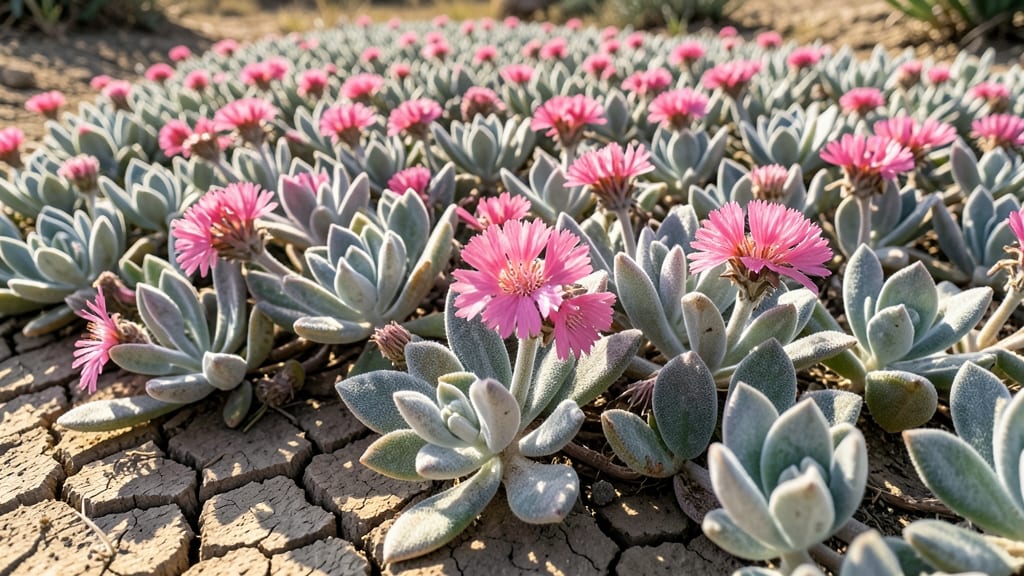
If your garden battles 100-degree heat and bone-dry soil, ice plant (Delosperma spp.) is your secret weapon. This drought-proof succulent thrives where grass wilts, spreading its silvery-blue foliage like a living carpet while erupting with vibrant pink blooms that last from late spring through summer.
Perfect for south-facing walls or desert landscapes, ice plant needs full sun and well-drained soil—it actually rots if overwatered. Plant it in 6-inch spacing for quick coverage, and watch it outcompete weeds while requiring almost no maintenance. The flowers attract pollinators, making it a dual-purpose powerhouse for arid climates.
Ideal for urban gardeners with hot, exposed areas or rural desert landscapes, this plant turns barren spots into colorful, water-wise ground cover that stays lush even when temperatures soar. 🌻
Sweet Woodruff for Fragrant Shade
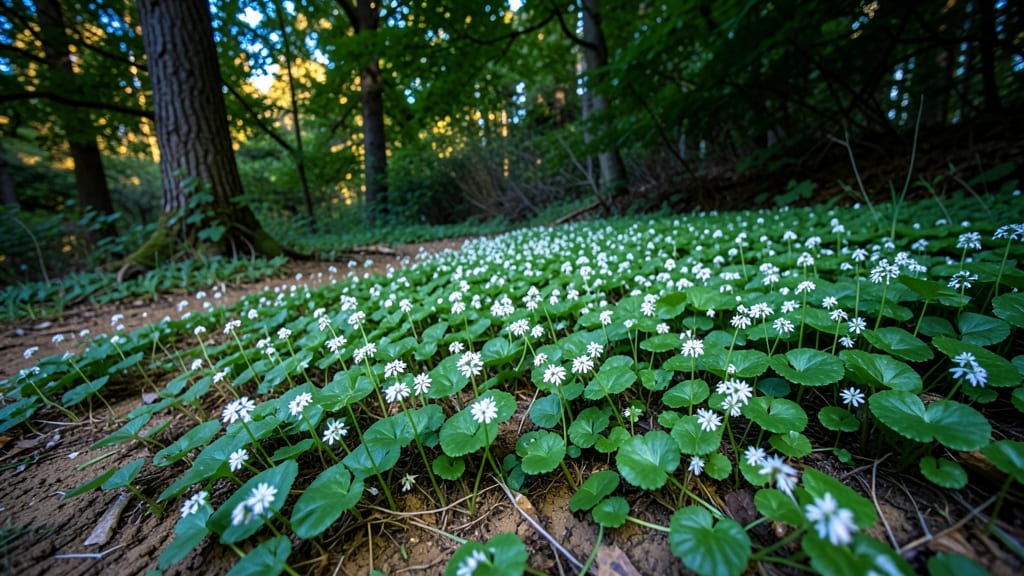
Tired of barren patches under trees where grass refuses to grow? Sweet woodruff (Galium odoratum) transforms dry shade into a fragrant, living carpet—without the fuss of mulch or weeds. Its delicate star-shaped white flowers and heart-shaped leaves create a lacy texture, while a gentle vanilla scent releases when brushed, adding a sensory delight to your garden.
This drought-tolerant perennial thrives in dry to medium shade, making it perfect for areas where other plants struggle. It spreads slowly but steadily, filling gaps under trees or along fences with minimal care. For best results, plant in well-draining soil and water lightly until established—after that, it’s nearly self-sufficient. Deer often avoid it, too!
Ideal for woodland gardeners or urban spaces with mature trees, sweet woodruff offers both beauty and practicality. It’s a low-maintenance way to bring life to forgotten corners while keeping your garden smelling sweet. 🌿
Moss for Ultra-Shady, Acidic Soil
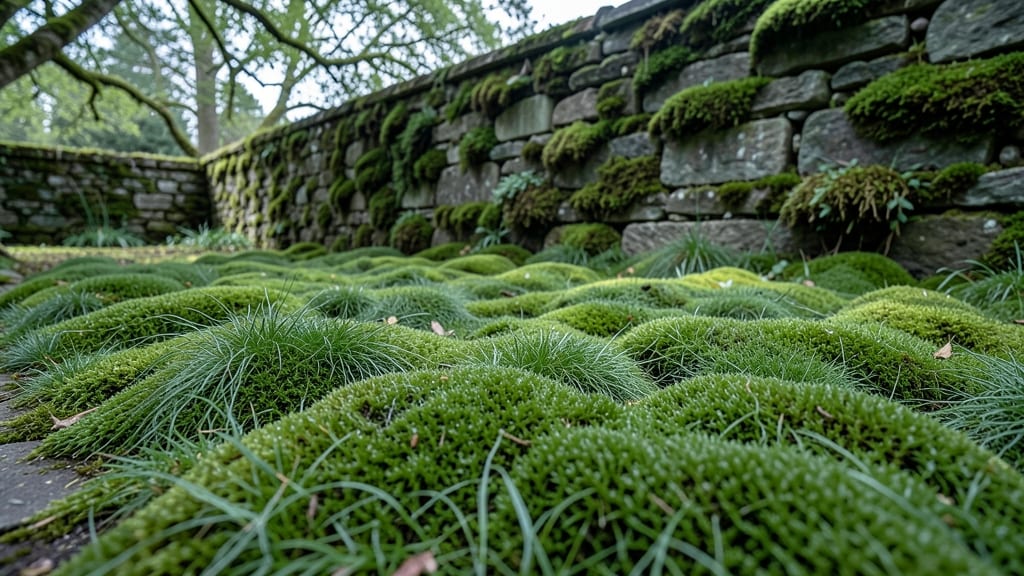
Tired of barren patches where grass refuses to grow? Moss transforms acidic, moisture-rich areas into a lush, velvety carpet that requires absolutely no mowing, weeding, or fertilizing. Unlike other ground covers, it thrives in conditions where most plants struggle—think north-facing walls, bog gardens, or dense shade under evergreens.
This living ground cover spreads naturally by spores, forming a dense mat that suppresses weeds and retains soil moisture. For best results, keep the area consistently damp (but not soggy) and avoid foot traffic once established. Moss comes in various shades—from bright green to deep emerald—adding texture and softness to any garden corner.
Perfect for beginners or urban gardeners with limited space, moss is the ultimate zero-maintenance solution for problem areas. It even helps prevent erosion on slopes or between pavers. 🌿
Creeping Phlox for Early Spring Color

Tired of staring at bare soil in early spring? Creeping phlox is your secret weapon—a fast-spreading perennial that bursts into vibrant color when most gardens are still dormant. This hardy ground cover thrives in poor soil and even tolerates light foot traffic, making it ideal for pathways or problem areas where grass refuses to grow.
Plant it in full sun to partial shade, and watch it spread quickly to fill gaps before summer heat arrives. The bright pink, purple, or white blooms last for weeks and attract pollinators early in the season. With minimal care, creeping phlox creates a lush carpet that stays green longer than many annuals.
Perfect for beginners or busy gardeners, this low-maintenance plant turns neglected spots into cheerful displays with almost no effort. 🌟