
Lawn
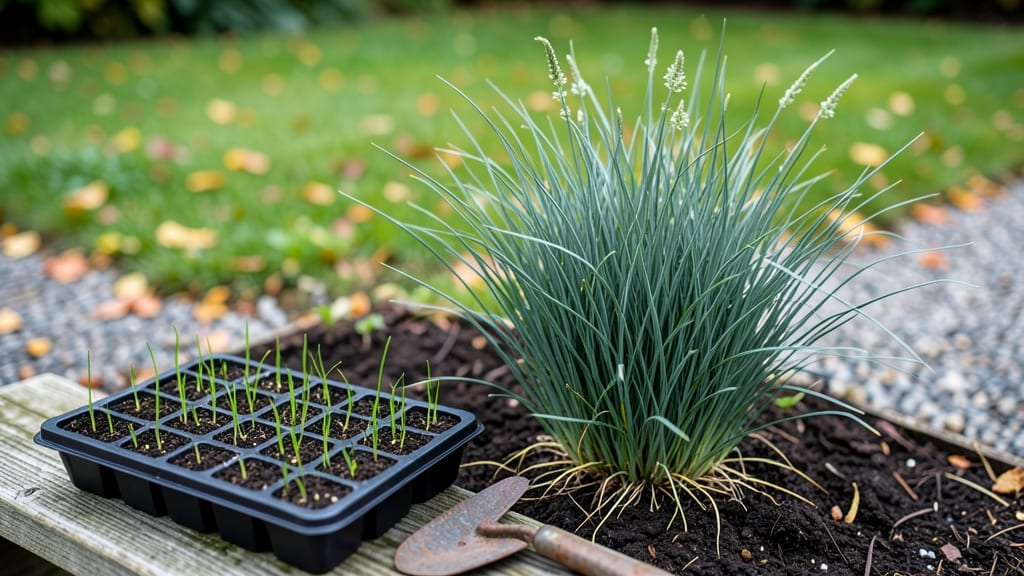
Growing grass in October isn’t just possible—it’s one of the best times to plant. 🌱 Cooler temperatures and fewer weeds mean stronger roots before winter, but only if you pick the right varieties and prep your soil properly.
I’ve learned the hard way that not all grass seeds handle fall the same way, and choosing wrong can leave you with patchy lawns by spring.
The secret lies in cold-resistant varieties like tall fescue, fine fescue, or perennial ryegrass—these thrive when planted in early fall. These grasses establish roots before dormancy, giving you a head start next spring.
Soil should be loose, free of debris, and lightly fertilized with a starter blend, but don’t overdo it—too much nitrogen now can burn tender seedlings.
With the right prep, you’ll see lush green growth by late fall and a lawn that outpaces spring plantings. Just watch for early frosts—cover young grass if temperatures dip below freezing, and avoid heavy foot traffic until roots are established.
The payoff? A lawn that’s already ahead of the game when spring rolls around.
Works best in USDA zones 3-8, but even warmer climates can plant in October if you water deeply and protect against heat spikes. Whether you’re fixing bare patches or starting fresh, fall planting is the smarter choice—just time it right.
📚 In This Guide
- What you need
- Instructions
- Tips and common mistakes
- Wrapping up and next steps
What you need
- ● Cold-resistant grass seed: Choose varieties like Tall Fescue, Fine Fescue, or Perennial Ryegrass (10–20 lbs per 1,000 sq ft, depending on coverage needs).
- ● Lawn fertilizer: A slow-release, fall-specific blend (e.g., 16-4-8 or 20-5-10) with a high potassium content (1–1.5 lbs per 1,000 sq ft).
- ● Soil conditioner: Compost or peat moss (2–3 inches spread evenly) to improve drainage and nutrient retention.
- ○ Starter fertilizer (optional): A phosphorus-heavy formula (e.g., 5-10-5) to boost root growth (apply lightly, ~0.5 lbs per 1,000 sq ft).
- ● Broadcast or drop spreader: For even seed distribution (rent or buy a handheld or walk-behind model based on lawn size).
- ● Rake: A bow rake (for leveling soil) and a stiff-bristle garden rake (to break up thatch, ¼-inch deep).
- ○ Lawn roller (optional): A lightweight 100–150 lb roller to press seed into soil (only if soil is dry or sandy).
- ● Watering supplies: A hose with a sprinkler head or drip irrigation system (capable of delivering ¼–½ inch of water per session).
- ● Gloves & knee pads: For comfort during prep work (nitrile gloves recommended for handling fertilizer).
- ● Weather check: Aim for 50–70°F daytime temps and no frost in the forecast for 7–10 days post-planting.
- ○ Soil test (optional but helpful): Test pH (ideal: 6.0–7.0) and adjust with lime or sulfur if needed.
- ● Clear debris: Remove leaves, rocks, and weeds from the area before seeding.
Step-by-Step guide to planting cold-resistant grass in October
Fall planting gives grass roots a head start before winter—here’s how to do it right.
🌱 Step 1: Choose the Right Grass Variety for Fall
Pick a cold-hardy grass seed designed for your climate zone. Cool-season grasses like tall fescue, Kentucky bluegrass, or perennial ryegrass thrive when planted in fall. Check the seed packet for "fall planting" recommendations—some varieties even specify "October" as ideal. Avoid warm-season grasses like Bermuda or Zoysia unless you live in Zone 9 or warmer.
I like to mix 2-3 varieties for better coverage and disease resistance. For example, a blend of tall fescue (for density) and fine fescue (for shade tolerance) works well in most northern regions. Spread the seed evenly—don’t skimp, or you’ll end up with patchy lawns next spring.
🪴 Step 2: Prepare the Soil Before Planting
Test your soil’s pH first—most grasses prefer 6.0 to 7.0. If it’s too acidic, add lime (follow package rates). Loosen the top 4 inches of soil with a rake or tiller to break up compaction. Remove rocks, debris, and weeds—you want a clean slate for germination.
I like to work the soil when it’s damp but not muddy—easy to rake but not clumping. If your soil is sandy, mix in 1 inch of compost to help retain moisture. For clay soil, add 2 inches of organic matter (like peat moss) to improve drainage. Avoid working wet soil—it compacts and smothers seeds.
💧 Step 3: Plant the Seed at the Right Depth and Water
Spread the seed evenly using a broadcast spreader or by hand. For most grasses, plant ¼ to ½ inch deep—shallow enough for moisture to reach but deep enough to protect from birds. Lightly rake the area to cover seeds without burying them too deeply.
Water immediately after planting to settle seeds into the soil. Keep the top 1 inch of soil consistently moist (not soggy) for the first 2-3 weeks. I set a sprinkler on a timer for 10-15 minutes daily—just enough to keep the surface damp. Avoid heavy watering, which washes seeds away.
☀️ Step 4: Monitor Growth and Adjust Care
Grass seeds germinate in 7-21 days, depending on temperature. Once sprouts reach 2 inches tall, reduce watering slightly—let the top ½ inch of soil dry out between waterings. This encourages deep root growth, which is critical for winter survival.
If frost threatens before germination, cover the area with lightweight row fabric (not plastic). Remove it during the day to let sunlight through. Avoid mowing until the grass reaches 3-4 inches tall—this gives roots time to establish. Use a sharp mower blade to avoid tearing young blades.
⏰ Step 5: Winterize for Spring Success
By late November, reduce watering to once every 2 weeks unless there’s a drought. Grass goes dormant in winter, so don’t fertilize after October 1st—it encourages tender growth that won’t survive frost. Instead, apply a winter mulch (like straw) if your region gets heavy snow.
In early spring, remove mulch and fertilize with a slow-release, high-nitrogen formula once the grass starts greening up. You’ll see lush, even growth because those fall-planted roots are already strong. Real talk: The key to a thick lawn starts in October—don’t skip the prep work!
Tips & tricks for perfect fall grass planting
Took me a while to figure these out, so here goes—these tricks will help your October grass planting thrive.
Variety Mixing: When combining 2-3 grass varieties in Step 1, measure each type separately before mixing. I learned this the hard way after realizing I'd accidentally used twice as much fine fescue as tall fescue—now I spread each variety in its own layer for perfect coverage. This ensures even germination and prevents patchy areas later.
Soil Prep Secret: In Step 2, if your soil feels too compacted after loosening, try this: Walk on the area yourself before testing—your weight will show you exactly where compaction persists. Focus your tilling on those spots only. For clay soil, I add 2 inches of compost (instead of peat moss) because it breaks down faster and improves drainage without smothering seeds.
Watering Timing: The 10-15 minutes of daily watering in Step 3 is critical—set your sprinkler for the early morning (before 8 AM) to prevent evaporation and fungal growth. I use a rain gauge to measure exactly ¼ inch of water per session, which keeps that top inch moist without oversaturating. If rain falls during your watering window, skip that day's session.
Frost Protection: For Step 4's frost threat scenario, I keep lightweight row fabric cut to size and stored with clips ready. When frost is forecast, I lay it over the area at dusk and remove it at 10 AM—this gives seeds just enough warmth to germinate while protecting them from overnight damage. Never use plastic, which traps too much heat and can actually harm tender seedlings.
Pro Tips for Can You Grow Grass In October
- Took me a while to figure these out, so here goes—these tricks will help your October grass planting thrive.
- Variety Mixing: When combining 2-3 grass varieties in Step 1, measure each type separately before mixing.
- Soil Prep Secret: In Step 2, if your soil feels too compacted after loosening, try this: Walk on the area yourself before testing—your weight will show you exactly where compaction persists.
Frequently asked questions
Got questions about growing grass in October?
You’re not alone! Here are answers to the most common concerns—from timing to troubleshooting—to help you launch your fall lawn project with confidence.
What’s the best type of grass to plant in October?
Cool-season grasses like Kentucky bluegrass, fescue, and ryegrass thrive in October’s mild temps. Warm-season grasses (e.g., Bermuda, Zoysia) struggle—save those for spring. Check your USDA zone to pick a variety hardy for your area’s first frost.
Is October too late to plant grass seed?
Not at all! October is ideal for cool-season grasses—seedlings establish roots before winter’s chill. Aim to plant 4–6 weeks before your first frost (check local forecasts). Just avoid planting if frost is imminent or soil temps dip below 50°F (10°C).
How often should I water new grass planted in October?
Keep soil consistently moist (not soggy) for the first 2–3 weeks. Water lightly daily (¼ inch) or deeply every 2–3 days if rain skips town. Reduce frequency after germination but maintain moisture until roots are 3–4 inches deep.
Will grass survive winter if planted in October?
Yes, if planted correctly! Cool-season grasses go dormant in winter but bounce back in spring. Mulch lightly (¼ inch of straw) to insulate seeds, and avoid heavy foot traffic. Avoid planting warm-season grasses—they’ll brown and die.
What if my October grass doesn’t grow? Troubleshooting tips
Slow germination?
Check soil temps (use a thermometer)—ideal range is 60–75°F (15–24°C). Too cold? Wait 1–2 weeks.
Patchy growth?
Test soil pH (aim for 6.0–7.0). Amend with lime or sulfur if needed.
Birds eating seeds?
Cover seed with a thin layer of straw or use a bird-netting kit.
Fungal spots?
Improve drainage and avoid overwatering. Fungicides (like propiconazole) can help if needed.
Wrapping up and next steps
Growing grass in October is absolutely doable—especially with the right cold-resistant varieties and a little prep work! 🌱 Whether you’re overseeding, patching bare spots, or establishing a new lawn, fall planting gives your grass a strong foundation for spring.
Just remember: soil prep, proper seed selection, and consistent care are your best tools for success.
Ready to take the next step? Start small—test a small patch first to see how your chosen grass performs. Then, roll out your green thumb (and lawn!) with confidence. Happy planting! 🌟