
Companion Plants
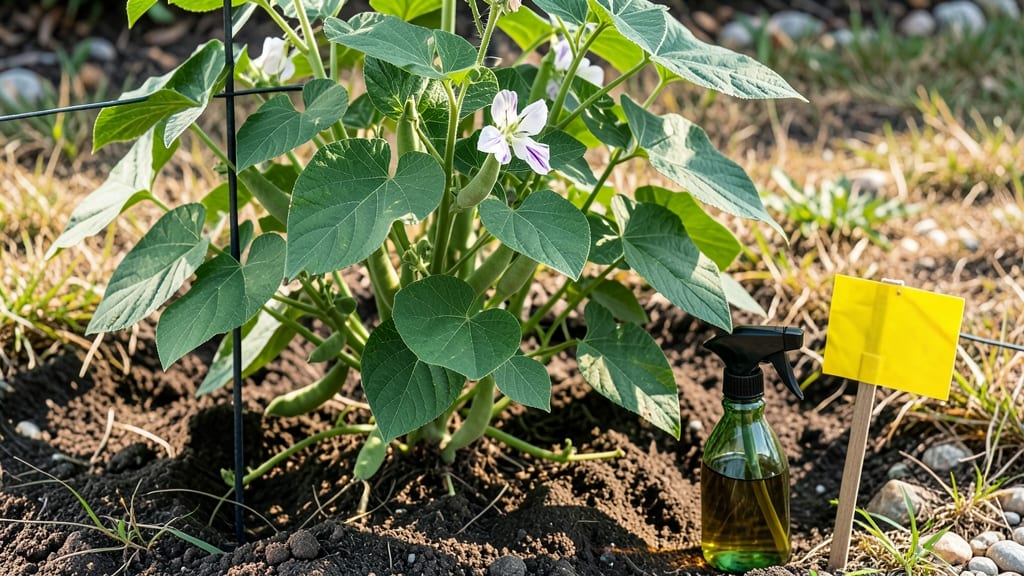
How to get rid of grasshoppers on plants before they devour your garden in minutes? 🌱 I’ve lost entire rows of beans and lettuce to these striped invaders—and I finally cracked the code on fast, natural removal that actually works.
The key is a layered approach: physical barriers, plant-based repellents, and a few sneaky tricks to outsmart them. You’ll see results within 24-48 hours if you act quickly, and your plants will stop looking like Swiss cheese.
No harsh chemicals needed—just smart tactics that protect your harvest while keeping the ecosystem balanced. Start with neem oil sprays and companion plants like marigolds, then add traps or row covers for heavy infestations. The best part?
These methods prevent future outbreaks by making your garden less appealing to grasshoppers in the first place. Works for veggies, flowers, and even fruit trees—no matter how bad the damage looks right now, we can turn this around.
📚 In This Guide
- What you need
- Instructions
- Tips and common mistakes
- Wrapping up and next steps
What you need
- ● Neem oil (100% cold-pressed) – 1–2 tablespoons per gallon of water (organic, food-grade)
- ● Dish soap (mild, unscented) – 1–2 teaspoons (e.g., Castile soap)
- ● Spray bottle (16–32 oz) – With a fine mist nozzle for even coverage
- ○ Watering can or hose (optional for large areas) – For diluting solutions
- ● Garden gloves (nitrile or rubber) – To protect your hands from oils and pests
- ● Sturdy pruners or shears – For trimming heavily infested plant parts
- ○ Companion plants (optional but effective) – Garlic, onions, or chives (plant near vulnerable crops)
- ● Marigolds or basil (natural repellents)
- ● Diatomaceous earth (food-grade) – Light dusting around plant bases (wear a mask!)
- ● Pyrethrin spray (natural insecticide) – For severe infestations (follow label instructions)
- ● Row covers (floating fabric) – To physically block grasshoppers from reaching plants
- ● Sticky traps (yellow or blue) – For monitoring and reducing adult populations
- ● Notebook & pen – To track infestation progress and treatment effectiveness
How to get rid of grasshoppers on plants: Step-by-Step natural removal
Grasshoppers can strip plants bare in days—but these methods stop them fast without chemicals.
🌿 Step 1: Scout and Identify the Problem
Start by inspecting your plants closely for signs of grasshopper activity. Look for chewed leaves with jagged edges (they don't cut cleanly like grasshoppers' strong jaws do) and small, dark droppings on foliage or soil. Check the undersides of leaves and along stems—grasshoppers hide there during the day. I like to do this in the early morning or evening when they're most active.
Count the damage to determine urgency. If you see more than 3-4 grasshoppers per plant or plants are losing leaves rapidly, act immediately. Grasshoppers multiply fast, so early action prevents an infestation. Grab a magnifying glass if needed—you'll spot tiny nymphs (baby grasshoppers) before they become a bigger problem.
💧 Step 2: Use Water to Dislodge and Drown Them
Fill a 1-gallon spray bottle with water and a few drops of dish soap (the soap breaks surface tension, making them sink). Spray the undersides of leaves and stems vigorously—grasshoppers will drop into the water below. I do this on a cloudy day or in the evening so the sun doesn't dry the plants too quickly afterward.
For larger infestations, use a hose with a gentle spray nozzle to knock them off plants into a bucket of soapy water. Focus on the lower third of plants where they hide. Repeat every 2-3 days until you see fewer than 2 grasshoppers per plant in a week. This method works fastest when combined with other techniques.
☀️ Step 3: Set Up Natural Barriers and Traps
Create a diatomaceous earth (DE) barrier around your garden beds. Sprinkle a thin layer (about 1/8 inch) of food-grade DE in a 3-inch-wide band around plant bases. The microscopic particles dehydrate grasshoppers' waxy exoskeletons. Reapply after rain or watering, as DE loses effectiveness when wet. Wear a mask when applying—it's dusty!
Place yellow sticky traps near affected plants. Grasshoppers are attracted to yellow and get stuck. Hang traps 18-24 inches above ground on poles or stakes. Check traps daily and dispose of trapped grasshoppers in soapy water. This won't eliminate them alone but helps monitor their numbers and reduces pressure on your plants.
✂️ Step 4: Introduce Natural Predators and Plant Repellents
Encourage grasshopper predators like birds, spiders, and parasitic wasps by adding a shallow birdbath or leaving some leaf litter in your garden. Birds are the most effective—install a bird feeder or nesting box nearby. I've seen robins and sparrows completely clear grasshoppers from my garden in a week once they move in.
Plant grasshopper-repelling herbs like basil, mint, or catnip near vulnerable plants. The strong scents mask plant odors that attract grasshoppers. You can also crush a few leaves of these herbs and rub them on plant stems for extra protection. Avoid overcrowding these repellent plants—they need airflow too.
⏰ Step 5: Monitor and Maintain Long-Term Prevention
After treating, inspect plants every 3 days for new activity. Look for fresh damage or nymphs hiding in mulch. Grasshoppers lay eggs in soil, so till or aerate garden beds in late fall to disrupt egg survival. This one-time effort prevents next year's infestation.
Keep your garden healthy—stressed plants attract more pests. Water deeply but infrequently to avoid weak growth, and fertilize with balanced organic fertilizer (like 10-10-10) every 6 weeks. Strong plants recover faster from damage. If grasshoppers persist after 2 weeks, combine all these methods or consider neem oil spray as a last resort.
Tips & tricks for natural grasshopper control
These simple strategies will help you tackle grasshopper problems faster and more effectively than you might expect.
Timing is Everything: The early morning or evening is the best time to scout for grasshoppers because that's when they're most active and visible. I've found that checking plants during these cooler parts of the day helps me spot more nymphs and adults, which means I can act faster to prevent damage. This is especially important in Step 1 when you're identifying the problem—don't skip this crucial window!
Soapy Water Power: When using the water spray method in Step 2, I've discovered that adding just a teaspoon of dish soap to your gallon of water makes a huge difference. The soap breaks the surface tension, causing grasshoppers to sink rather than float away. For larger plants, I often use a bucket of soapy water on the ground below to catch them after spraying. This method works best when combined with the DE barrier from Step 3 for maximum effectiveness.
Predator Partnerships: Birds are your best allies in controlling grasshoppers naturally. I've noticed that robins and sparrows are particularly effective at clearing grasshoppers from my garden. To attract them, place bird feeders with high-energy seeds like sunflower or safflower near your affected plants. The feeders should be within 10-15 feet of your garden—close enough for quick hunting trips but not so close that they disturb your plants.
Herb Strategy: When planting grasshopper-repelling herbs like basil or mint in Step 4, I recommend planting them in a loose cluster rather than a tight row. This gives them better airflow and prevents them from becoming stressed, which can actually attract more pests. The herbs should be placed about 12-18 inches away from your vulnerable plants to create a protective scent barrier without competing for nutrients.
Pro Tips for Get Rid Of Grasshoppers On Plants
- These simple strategies will help you tackle grasshopper problems faster and more effectively than you might expect.
- Timing is Everything: The early morning or evening is the best time to scout for grasshoppers because that's when they're most active and visible.
- Soapy Water Power: When using the water spray method in Step 2, I've discovered that adding just a teaspoon of dish soap to your gallon of water makes a huge difference.
Frequently asked questions
about grasshopper control—because even the best gardeners need answers!Are grasshoppers harmful to all plants?
Not all plants suffer equally! Grasshoppers love tender leaves like beans, corn, and young seedlings, but they often ignore tougher plants like lavender, rosemary, or marigolds. If your garden has a mix, prioritize protecting vulnerable crops first.
How long does it take to see results with natural remedies?
Most methods (like neem oil or companion planting) show improvement in 3–7 days, but severe infestations may take 2–4 weeks. Consistency is key—reapply sprays every 5–7 days or until hoppers disappear. Patience pays off!
Will grasshoppers come back after I treat my plants?
Yes, but you can prevent recurrence! Remove egg pods in fall (look for foam-like clusters in soil), use row covers in spring, and maintain diverse plantings. Diatomaceous earth or beneficial nematodes can also deter future visits.
Are there any plants grasshoppers hate?
Plant these grasshopper-repelling companions near vulnerable crops:
- Garlic & onions (strong scent confuses them)
- Catnip or mint (disrupts their feeding patterns)
- Sunflowers or basil (attract predators like birds)
Can I use vinegar or soap to kill grasshoppers?
While dish soap + water (1 tsp per gallon) can suffocate them on contact, it’s not a long-term fix—grasshoppers may return. For a safer spray, opt for neem oil or horticultural oil, which also prevent egg-laying. Test sprays on a small leaf first!
Do birds or other predators actually help?
Yes! Attracting natural predators like robins, sparrows, or toads is one of the best defenses. Add a birdbath or shallow water source, plant berry bushes (their favorite snack), and avoid pesticides that harm them. Even lizards and praying mantises feast on grasshoppers!
Wrapping up and next steps
You’ve got this! 🌱 By combining natural repellents, physical barriers, and companion planting, you can protect your garden from grasshoppers without harsh chemicals.
Start with the methods that fit your garden’s needs—whether it’s neem oil, row covers, or strategic plant pairings—and stay consistent. Small, daily efforts add up to big results!
Ready for a thriving, pest-free garden? Pick one method today and watch your plants flourish. Happy gardening! 🌿