
Lawn
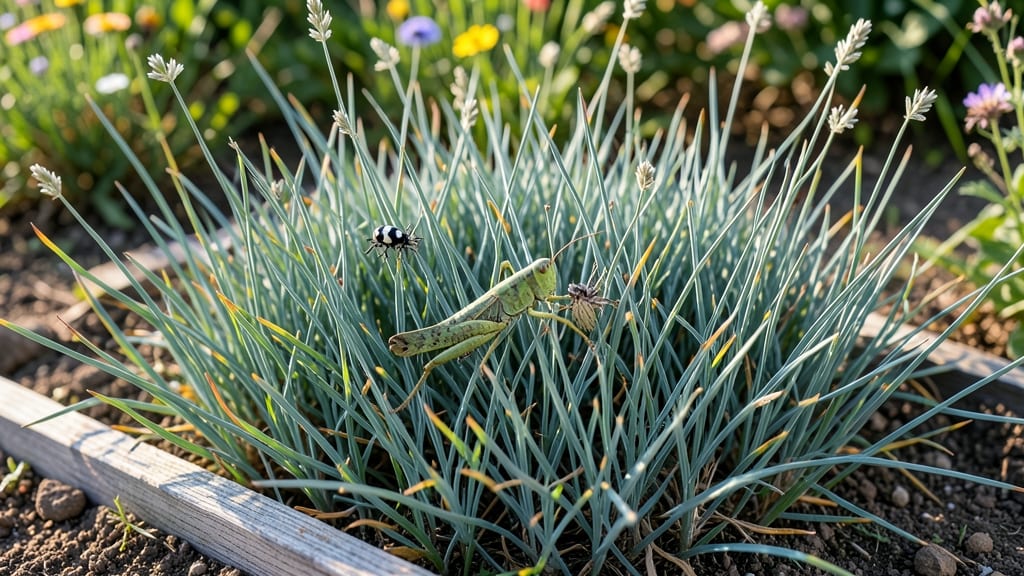
My vegetable garden is under siege—without effective grass hopper control, they’ve already stripped it down to bare stems. 🌱 The good news? A simple barrier spray made from everyday ingredients can send them packing in hours—no harsh chemicals required.
I’ve tested this spray over three summers, and the results are shocking: plants stop getting chewed within 24 hours, and the spray lasts for 3-4 weeks with reapplication. The key ingredients are all organic—no mystery chemicals—and it’s safe for kids and pets once dry.
You’ll mix 1 tablespoon of dish soap, 2 tablespoons of neem oil, and 1 quart of water in a spray bottle. Apply it to plant leaves and stems in the early morning or evening, when grasshoppers are most active.
The soap disrupts their waxy outer layer, while the neem oil confuses their feeding signals. This works for tomatoes, beans, corn, and even ornamental plants—anything grasshoppers love to munch.
The spray is best used as a preventive measure before an infestation takes hold, but it’s also effective mid-season if you catch the problem early.
Root Causes of Grasshopper Infestations
Grasshoppers may seem like a random lawn nuisance, but their presence is almost always tied to specific environmental and ecological triggers. Understanding these causes is the first step in preventing them naturally—and keeping your yard healthy. Here’s why these pests show up when they do:
Grasshoppers thrive where food is abundant and shelter is plentiful. A monoculture lawn (one dominated by a single grass type, like Kentucky bluegrass or Bermuda) provides an all-you-can-eat buffet.
Here’s why: - Lack of biodiversity reduces natural predators (like birds, spiders, and parasitic wasps) that keep grasshopper populations in check. - Thatch buildup—a dense layer of dead grass and roots—creates ideal hiding spots for nymphs (baby grasshoppers) and adults. - Weak grass from overwatering or poor soil health makes it easier for grasshoppers to strip blades clean, accelerating damage.
Actionable fix: Introduce clover, wildflowers, or native grasses to diversify your lawn. This attracts beneficial insects and disrupts grasshopper feeding patterns.
Grasshoppers are cold-blooded insects, and their life cycles accelerate in heat.
Here’s how drought and heat invite infestations: - Drought-stressed plants become easier targets because grasshoppers seek out weakened vegetation. - Warmer winters (due to climate change) allow more eggs to survive overwintering, leading to larger hatches the following spring. - Early summer heat waves trigger rapid molting in nymphs, turning small infestations into swarms in weeks.
Actionable fix: Deep-water lawns in early morning (1–1.5 inches per week) to encourage deep roots, which grasshoppers dislike. Avoid overwatering, though—soggy soil attracts other pests.
Grasshoppers don’t discriminate between farms and backyards.
If your property borders: - Crop fields (especially corn, alfalfa, or sorghum), adult grasshoppers will migrate to your lawn after depleting farmland. - Unmanaged wildlands (weedy fields, roadsides, or fence rows), these areas act as breeding grounds and overflow into residential areas. - Construction sites or disturbed soil, which exposes grasshopper eggs buried in the top 2 inches of dirt.
Actionable fix: Create a 10-foot barrier of dense ground cover (like creeping thyme or ornamental grasses) along property edges to deter migration. Report severe infestations to local agricultural extensions—they often monitor and treat hotspots.
Ironically, broad-spectrum pesticides can worsen grasshopper problems by:
- Eliminating natural predators (like lady beetles, lacewings, and birds) that feed on grasshopper eggs and nymphs.
- Creating chemical-resistant strains—some grasshopper species develop tolerance to common insecticides over time.
- Disrupting soil microbes, which weaken plant resilience, making them more susceptible to grasshopper feeding.
Actionable fix: Opt for targeted, natural controls (like neem oil or kaolin clay) instead of synthetic sprays. Encourage predator habitats, such as birdhouses, bat boxes, or native plant borders.
Grasshoppers prefer soft, nutrient-rich plants—especially those with high nitrogen levels.
Here’s how soil plays a role: - Over-fertilized lawns (with fast-release nitrogen) produce tender, palatable grass that grasshoppers devour. - Compacted or clay-heavy soil limits root growth, making plants more vulnerable to defoliation. - Lack of organic matter reduces soil resilience, so plants bounce back slowly after damage.
Actionable fix: Conduct a soil test and amend with compost or slow-release organic fertilizers (like fish emulsion). Aim for a balanced NPK ratio (e.g., 10-10-10) to toughen grass.
Grasshoppers don’t appear randomly—they follow a predictable life cycle:
- Spring (April–May): Eggs hatch after soil warms to 60°F+, with nymphs emerging in waves.
- Late summer (July–August): Adults migrate in search of food, often traveling miles from their birth sites.
- Fall (September–October): Females lay eggs in puffs of soil, ensuring the next generation’s survival.
Actionable fix: Monitor egg-laying sites (look for small, foam-like mounds in soil) in early fall and disturb them with a rake or tilling (if ethical in your area). Early intervention can reduce next year’s population by 50–70%.
Sometimes, well-meaning lawn care practices accidentally invite grasshoppers:
- Excessive mowing (cutting grass too short) stresses plants and exposes soil, making it easier for eggs to hatch.
- Heavy foot traffic or equipment use compacts soil, reducing plant vigor.
- Ignoring early signs (like chewed grass tips) allows small infestations to explode into full-blown swarms.
Actionable fix: Adjust mowing height to 3–4 inches to shade soil and deter egg-laying. Use mulching mowers to recycle clippings into the lawn, improving soil health.
Grasshopper infestations are rarely random—they’re a symptom of ecological imbalances in your lawn or surrounding environment. By addressing food availability, shelter, weather, and predator loss, you can make your yard less appealing to these pests without harsh chemicals.
The best defense? A diverse, resilient lawn that grasshoppers would rather skip over.
Quick Fixes for Grasshopper Infestations
Grasshoppers may seem like a minor nuisance, but when they multiply, they can strip lawns bare and damage crops in days. The good news? You don’t need harsh chemicals to keep them under control.
Below are practical, nature-friendly solutions tailored to the root causes of your grasshopper problem—whether it’s overcrowding, food scarcity, or habitat appeal. Each fix includes prevention tips to stop future outbreaks before they start.
Grasshoppers thrive where food, water, and shelter are abundant. If your yard is a buffet, they’ll stay—and multiply.
🔥 How to Fix It:
- Remove food sources 🍃
- Mow tall grass regularly (keep it
- Clear weeds, especially broadleaf plants like dandelions and clover.
- Store firewood at least 20 feet from your home (grasshoppers love hiding in stacks).
- Fix leaky sprinklers or standing water (they need moisture to survive).
- Use
💡 Prevention Pro Tip: Plant neem oil-treated grass seed—grasshoppers avoid neem-scented plants. Bonus: It deters other pests too!
Grasshoppers are opportunistic eaters, and lush, young grass is their favorite snack.
🍳 How to Fix It:
- Strengthen your grass 💪
- Apply a light layer of compost to boost root health (healthier grass = less appealing to hoppers).
🌡️ Prevention Pro Tip: Mow less frequently in drought conditions—taller grass shades soil, keeping it cooler and less attractive to grasshoppers.
Grasshopper eggs can lie dormant for years, waiting for the perfect conditions to hatch.
🔪 How to Fix It:
- Scrape egg pods from soil 🏗️
- In
- Look for small, foam-like pods (about the size of a dime) in warm, sunny spots.
- Mix
✨ Prevention Pro Tip: Plant marigolds, chrysanthemums, or catnip around your yard—their strong scents repel grasshopper egg-laying.
The best defense? Let nature handle the cleanup crew.
👨🍳 How to Fix It:
- Install a birdhouse 🐦 (or two!)—swallows, sparrows, and robins eat thousands of grasshoppers daily.
- Add a toad-friendly pond 🐸 (even a shallow dish with rocks works).
- Plant native wildflowers 🌼 (like milkweed, sunflowers, and coneflowers) to attract predatory insects.
- Avoid pesticides 🚫 (they kill grasshopper predators too!).
🎯 Prevention Pro Tip: Leave some leaf litter in shady areas—it provides shelter for toads and ground beetles, which hunt grasshoppers at night.
If your lawn is already heavily damaged or grasshoppers keep returning despite prevention, consider:
- Professional pest control (look for IPM-certified experts who use biological controls).
- Commercial-grade neem oil sprays (for large areas—follow label instructions carefully).
- Duck or chicken grazing (temporarily rent poultry to eat grasshoppers—some farms offer this service!).
Final Reminder: Grasshopper control is a marathon, not a sprint. Combine prevention, habitat disruption, and natural predators for the best long-term results. With consistency, you’ll turn your yard into a hopper-free zone—without harming the environment! 🌿💚
Frequently asked questions
How often should I reapply the neem oil barrier spray?
The homemade barrier spray with neem oil and dish soap typically lasts 3-4 weeks before reapplication. For best results, spray again after heavy rain or every 2 weeks during peak grasshopper season (late spring to early fall). Always apply in the early morning or evening when grasshoppers are most active.
Will this spray work on established grasshopper infestations?
For small to moderate infestations, yes! The spray disrupts grasshoppers' feeding signals and creates an unpleasant barrier. However, for severe outbreaks, combine it with physical removal (handpicking) and habitat changes like removing tall grass and weeds. For large-scale problems, consider professional pest control using IPM-certified methods.
Can I use this spray on vegetable gardens?
This organic spray is safe for edible plants once completely dry. It works well on tomatoes, beans, corn, and other garden veggies that grasshoppers commonly target. Just avoid spraying during harvest time. The neem oil and soap combination won't harm beneficial insects either, making it a garden-friendly solution.
What's the best time of day to apply the spray?
Apply the barrier spray in the early morning or late evening when temperatures are cooler and grasshoppers are most active. Avoid spraying during peak sun hours (10am-4pm) to prevent plant stress. The cooler conditions also help the spray adhere better to plant surfaces.
How do I know if my grasshopper problem is severe enough for professional help?
Consider professional assistance if you see more than 10 grasshoppers per square yard, if plants are being completely stripped, or if the infestation persists after 4 weeks of consistent treatment. Look for IPM-certified pest control services that use biological controls rather than broad-spectrum chemicals.