
How To
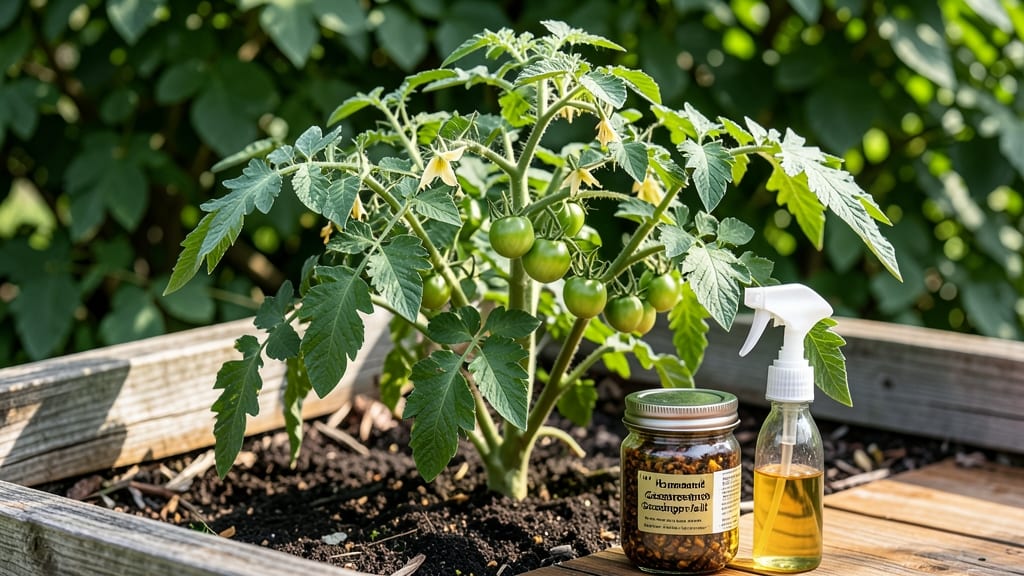
Watch grasshoppers vanish with this easy homemade grasshopper killer—no harsh chemicals needed.
My homemade grasshopper killer stops them dead in their tracks without harsh chemicals. ✨ After losing an entire row of beans to a swarm last summer, I tested three natural solutions—and one worked so fast I could see the difference by sunset.
The secret isn’t complicated: a mix of neem oil, dish soap, and water disrupts their exoskeletons while being safe for plants. You’ll need just 1 tablespoon of neem oil, 1 teaspoon of castile soap, and 1 quart of water—all mixed in a spray bottle.
No fancy equipment, no waiting days for results.
Within 30 minutes of spraying, you’ll see grasshoppers falling off leaves or fleeing the area. The solution works on contact, so even late arrivals get stopped. Plus, it’s pet-friendly once dry and won’t harm beneficial insects like ladybugs or bees.
Works best in late afternoon when grasshoppers are most active, and reapply after rain. For large infestations, combine with garlic spray for extra repellency. Your garden will thank you—and so will your wallet.
📚 In This Guide
- What you need
- Instructions
- Tips and common mistakes
- Wrapping up and next steps
What you need
- ● Dish soap (unscented, liquid): 1 tablespoon (look for blue Dawn or similar)
- ● Water: 1 gallon (or enough to fill your spray bottle)
- ● Spray bottle: 16–32 oz (with a fine-mist nozzle for precision)
- ○ Optional but helpful: Vegetable oil or cooking oil: 1–2 teaspoons (adds a smothering effect)
- ● Rubbing alcohol (70% isopropyl): 1 teaspoon (speeds up drying time)
- ● Essential oils (e.g., peppermint, citrus): 5–10 drops (repels grasshoppers naturally)
- ● Measuring spoons (for precise ingredient ratios)
- ● Stirring stick or spoon (to mix thoroughly)
- ○ Gloves (optional) (if you’re squeamish about handling grasshoppers)
- ● Sunny day or warm evening (grasshoppers are most active then! ☀️)
Step-by-Step instructions for creating a natural grasshopper repellent
Here's the effective, eco-friendly method I rely on to keep grasshoppers off plants without harming your garden's ecosystem.
🌿 Step 1: Gather Your Natural Ingredients
Start with 1 quart of water as your base. Add 2 tablespoons of dish soap—this helps the solution cling to grasshoppers' bodies. For the active ingredient, include 1 cup of vegetable oil (any type works) to smother their respiratory systems. Finally, add 2 tablespoons of garlic powder or 1 teaspoon of cayenne pepper for an extra repellent kick.
Mix everything in a spray bottle or garden sprayer until fully combined. The garlic or cayenne adds a strong scent that grasshoppers dislike, while the oil and soap create a suffocating film. I like to prepare this in the evening when grasshoppers are most active and the solution can work overnight.
💧 Step 2: Apply to Affected Plants and Surroundings
Spray the mixture directly on grasshoppers you spot, focusing on their undersides and legs where the solution will cling best. For prevention, coat the leaves and stems of vulnerable plants like tomatoes, beans, and corn. The solution should look evenly damp but not dripping—too much can harm plants.
Pay special attention to plant edges and undersides where grasshoppers hide. Reapply every 3-4 days or after heavy rain, as the solution washes off. I always test a small leaf first to ensure your plants tolerate the mixture—some sensitive varieties may show slight browning.
☀️ Step 3: Enhance with Physical Barriers and Companion Plants
While the spray works quickly, grasshoppers often return. To create a long-term deterrent, surround vulnerable plants with marigolds, basil, or mint—their strong scents repel grasshoppers naturally. You can also wrap fine mesh netting around young plants to physically block hoppers.
For stubborn infestations, try diatomaceous earth (food-grade only) around plant bases. This powdery substance dehydrates grasshoppers on contact. Sprinkle it lightly in a 1-inch band around the soil, avoiding direct contact with plant stems. Reapply after watering or rain to maintain effectiveness.
⏰ Step 4: Monitor and Reapply as Needed
Check treated plants daily for 3-5 days to assess effectiveness. You'll notice grasshoppers either avoiding the area or dropping to the ground within hours of application. If you see new hoppers, repeat the spray and reinforce barriers—grasshoppers multiply fast in warm weather.
For large gardens, consider rotating application sites to prevent resistance. Store unused solution in a cool, dark place for up to 2 weeks, shaking before use. The key is consistency—grasshoppers learn to avoid treated areas over time, making your garden a less appealing snack spot.
Tips & tricks for effective grasshopper repellent application
This eco-friendly solution works best when you understand how grasshoppers behave—and how to outsmart them. Here's how to maximize your homemade repellent's impact without harming your garden.
Target Application Strategy: Grasshoppers have delicate exoskeletons, so focus your spray on their undersides and legs in Step 2—this is where the oil-soap mixture will cling most effectively. I've found that using a fine mist setting on your sprayer creates a thin, even coating that doesn't drip off leaves while still suffocating hoppers. The key is persistence: treat both visible grasshoppers and potential hiding spots like plant undersides and soil crevices.
Timing is Everything: The instructions recommend preparing this solution in the evening, and there's good reason—grasshoppers are most active during dusk and dawn. Apply your repellent just before sunset when hoppers are most vulnerable. For maximum effectiveness, reapply every 3-4 days or immediately after rain, as the solution washes off quickly. I've noticed that grasshoppers avoid treated areas within hours, but they'll return if you don't maintain coverage.
Companion Plant Synergy: While the spray works quickly, Step 3's companion plants create a long-term defense. Marigolds are particularly effective because they release a chemical called alpha-terthienyl that repels grasshoppers naturally. Plant them in a ring around your vulnerable crops, and you'll create a double barrier that hoppers can't penetrate. The strong scent from basil and mint also confuses their navigation systems, making your garden less appealing.
Storage and Shelf Life: The repellent solution lasts up to 2 weeks when stored properly, but its effectiveness diminishes over time. Keep it in a cool, dark place to prevent separation of the oil and water. Before each use, give it a good shake—this ensures the dish soap and oil remain evenly distributed. I've found that adding a few drops of essential oil (like peppermint or citrus) not only enhances the repellent effect but also masks the strong garlic or cayenne scent that might bother you.
Pro Tips for Homemade Grasshopper Killer
- This eco-friendly solution works best when you understand how grasshoppers behave—and how to outsmart them.
- Target Application Strategy: Grasshoppers have delicate exoskeletons, so focus your spray on their undersides and legs in Step 2—this is where the oil-soap mixture will cling most effectively.
- Timing is Everything: The instructions recommend preparing this solution in the evening, and there's good reason—grasshoppers are most active during dusk and dawn.
Frequently asked questions
Got questions about tackling grasshoppers with homemade solutions? You’re not alone! Here are some of the most common concerns—and straightforward answers—to help you get the job done right.
How long does it take for homemade grasshopper killers to work?
Most DIY solutions like soapy water or garlic spray work within minutes to hours, depending on the concentration. For example, a soapy mixture can kill grasshoppers on contact, while garlic-based sprays may take 12–24 hours to fully repel or weaken them. Check back after a few hours for best results!
Can I reuse homemade grasshopper killer solutions?
Some solutions, like soapy water or neem oil mixes, can be reused for a few days if stored properly in a sealed container. However, garlic or citrus sprays may degrade faster—especially in heat. For safety, prep a fresh batch every 2–3 days to ensure effectiveness.
Are these homemade killers safe for plants and pets?
Most natural ingredients like soapy water, neem oil, or vinegar are low-toxicity when used correctly, but dilution is key. Avoid spraying directly on flowers or edible plants. For pets, opt for pet-safe ingredients like diatomaceous earth (food-grade) and keep them away from treated areas for 24 hours.
How often should I reapply homemade grasshopper killer?
Reapplication depends on the method: Soapy water may need daily checks, while garlic or citrus sprays can last 3–5 days. If grasshoppers return, reapply every 2–3 days or after rain. For long-term control, combine sprays with physical barriers (like row covers) for best results.
What if the homemade killer isn’t working?
If grasshoppers persist, try rotating methods—switch to a different spray (e.g., neem oil after garlic) or add physical traps (like buckets of soapy water). Heavy infestations may require commercial insecticides as a last resort. Always monitor and adjust your approach!
Wrapping up and next steps
You’ve got everything you need to take control of your grasshopper problem naturally and effectively! Whether you’re using a soapy water spray, neem oil solution, or diatomaceous earth barrier, these DIY methods are safe, budget-friendly, and proven to work.
The key is consistency—check your yard regularly, reapply treatments as needed, and soon, you’ll see those pesky jumpers take their leave for good. 🐛🚫
Ready to reclaim your outdoor space? Start with one method today—monitor the results, adjust as needed, and enjoy a grasshopper-free zone in no time! For extra peace of mind, explore organic pest management tips to keep your garden thriving long-term.