
Diseases
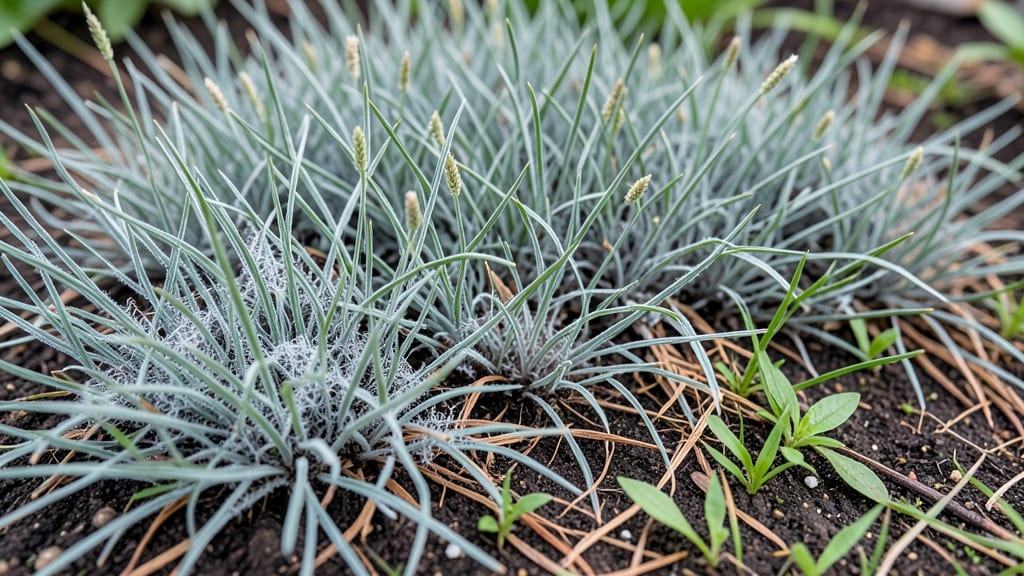
Winter mold ruins lawns every year—slimy patches and discolored grass that refuse to bounce back. 🌱 I’ve battled it for years, and the key isn’t just treating the mold but choosing the right grass types that resist it from the start.
Cold-resistant varieties like Kentucky bluegrass or fine fescue stay tough when others rot, and they’re the foundation of a healthy winter lawn.
The real culprit is trapped moisture—whether from snowmelt, poor drainage, or overwatering. My lawn went from patchy to pristine after I aerated in fall, topped with compost, and sloped the yard slightly.
Even organic treatments like baking soda or hydrogen peroxide (mixed right) can stop mold before it spreads, but prevention is the real game-changer.
By spring, you’ll see thick, vibrant grass where others have bare spots. The mold won’t stand a chance if you act now—start with soil tests, adjust watering, and pick the right grass. It’s not just about fixing what’s broken; it’s about building a lawn that outlasts winter.
Works for any climate, from snowy zones to mild winters. Here’s how to make it happen without toxic chemicals or expensive fixes.
Root Causes Of Wintertime Fungal Growth
When your lawn looks like a patchwork of brown and green after winter, grass winter mold is often the culprit—but why does it thrive in cold weather? Unlike summer fungal issues, winter mold isn’t just about excess moisture.
It’s a complex interplay of environmental stress, turf health, and microbial opportunism. Below, we break down the real reasons this problem starts, so you can target fixes at the source.
Winter isn’t just chilly—it’s a physiological shock for grass. When temperatures drop below 50°F (10°C), most cool-season grasses (like Kentucky bluegrass and fescue) enter a dormant state, slowing growth and reducing their ability to fight off pathogens.
Warm-season grasses (like Bermuda or Zoysia) fare even worse, as they’re not adapted to cold and shut down completely.
Here’s the kicker: Dormancy ≠ Immunity. While growth slows, the grass’s cell walls weaken, making it easier for fungal spores—always present in soil—to latch on and colonize. Think of it like a weakened immune system: a healthy lawn repels invaders, but stressed turf becomes a buffet.
Key triggers:
- ❄️ Freeze-thaw cycles: Rapid temperature swings (e.g., 30°F → 50°F) cause cellular damage, creating entry points for mold.
- ⏳ Prolonged dormancy: The longer grass stays dormant, the more it depletes stored energy, leaving it vulnerable.
- 🌱 Thatch buildup: A thick thatch layer (dead organic matter) insulates the soil, trapping moisture and spores right next to the roots.
Winter mold isn’t just about cold—it’s about wet cold. Fungal spores need three things to thrive: moisture, organic matter, and a susceptible host. In winter, moisture becomes the biggest wildcard because:
- 🌧️ Rain + Snowmelt: Overcast skies and melting snow keep soil saturated for weeks, creating ideal 90%+ humidity near the turf surface.
- ❄️ Frost Blankets: Ice sheets act like a tarp, trapping moisture against the grass blades and thatch.
- 🌱 Poor Drainage: Compacted or clay-heavy soils prevent water from draining, leaving roots waterlogged and starved of oxygen.
Most winter molds—like snow mold (Typhula or Fusarium)—require constant moisture to spread. Even a light frost followed by rain can kickstart an outbreak. Pro tip: If your lawn stays wet for more than 48 hours, mold spores get the green light to party.
A lawn in peak condition can resist mold, but winter stress exposes hidden weaknesses. Here’s how pre-existing issues turn into mold magnets:
| Problem | How It Helps Mold |
|---|---|
| 🔥 Thin or Bare Spots | Gaps let mold spores land directly on soil, where they germinate faster than on dense turf. |
| ⚰️ Dead Grass (From Drought/Herbicide) | Decomposing plant matter releases nitrogen, which fungi love as a food source. |
| 🌿 Over-Fertilization (Especially Nitrogen) | Excess nitrogen promotes lush growth in warm months, but in winter, it weakens roots and leaves them sugar-rich—a mold buffet. |
| 🪓 Physical Damage (Foot Traffic, Animals) | Compaction and tears create wounds where spores can directly infect the plant. |
💡 Actionable insight: If your lawn had issues before winter (like summer drought or pest damage), those problems don’t disappear in the cold—they just go underground and resurface as mold.
Healthy soil is a warzone between beneficial microbes (like Trichoderma fungi) and pathogens. In winter, the balance tips because:
- 🦠 Good microbes slow down: Cold temperatures reduce the activity of competitive bacteria that normally outcompete mold.
- 🔥 Pathogens adapt: Winter-specific molds (e.g., Microdochium nivale) produce antifreeze-like proteins to survive freezing, while your grass can’t.
- 🌱 Dead organic matter piles up: As grass slows, fallen leaves and clippings decompose, releasing simple sugars that mold feasts on.
🔬 The science: Some winter molds release enzymes that break down cellulose (grass’s structural material) even in freezing temps. Your lawn’s defenses? Mostly offline until spring.
Quick Fixes for Fungal Foes
Winter brings more than just chilly winds—it can also unleash grass winter mold, turning your lawn into a patchwork of discolored, weakened turf. But don’t let fungal blight steal your green dreams!
Below, we’ve mapped the most common causes to practical, step-by-step fixes—plus prevention tips to keep your lawn thriving all season long.
Cause: Excess moisture from snowmelt, heavy rain, or compacted soil creates the perfect breeding ground for mold spores.
Fix It: 🍳 Step 1: Test Your Soil’s Drainage
- Dig a small hole (6 inches deep) and fill it with water. If it drains in less than 6 hours, your lawn is fine. If it takes longer, you’ve got poor drainage.
- Pro Tip: 💡 Use a soil moisture meter ($10–$20) for quick checks—especially after snowmelt or heavy rains.
👨🍳 Step 2: Aerate Compacted Areas
- Rent a core aerator (or hire a pro) to pull out small soil plugs, letting air, water, and nutrients penetrate.
- Best Time: Early spring (before fungal spores peak) or fall (when grass recovers fastest).
🥘 Step 3: Adjust Your Watering
- Winter Rule: Water only if the top 1–2 inches of soil are dry (stick test!). Overwatering in cold months = mold magnet.
- Pro Tip: 🌡️ If temps drop below 40°F at night, skip watering entirely—grass goes dormant and needs less moisture.
Cause: A thick thatch layer (dead grass, roots) traps moisture and blocks fungicides from reaching the soil.
Fix It: 🔪 Step 1: Dethatch in Early Spring
- Use a vertical mower or thatched rake to remove ½ inch or less of thatch. Avoid scalping—you’re not tilling a garden!
- Pro Tip: ✨ Top-dress with a thin layer of compost or sand afterward to improve soil structure.
🎯 Step 2: Apply a Fungicide (If Needed)
- For active mold, use a preventative fungicide like propiconazole or trichoderma harzianum (a natural option).
- How to Apply: Follow label rates, and water lightly after treatment to help it soak in.
Cause: Frozen soil, foot traffic, or weak grass can’t fight off mold spores—especially on high-nitrogen lawns (which attract fungal growth).
Fix It: 💪 Step 1: Reduce Nitrogen in Winter
- Stop fertilizing until temps rise above 50°F consistently. Too much nitrogen = mold buffet.
- Switch to: A slow-release, organic fertilizer (like milorganite) in early spring for balanced growth.
🥗 Step 2: Overseed Bare Spots
- Fill thin areas with cold-resistant grass seed (e.g., tall fescue, Kentucky bluegrass, or perennial ryegrass).
- Pro Tip: 🌱 Mix seed with a starter fertilizer (low nitrogen, high phosphorus) to help roots establish before summer heat hits.
🔄 Step 3: Improve Airflow
- Trim back overgrown trees/shrubs near the lawn to reduce shade and humidity.
- Bonus: Mow higher in winter (3–4 inches) to shade soil and retain moisture—just don’t bag clippings (they can smother grass).
Want to avoid winter mold next year?
Check off these easy habits: - 📅 Fall Prep: Aerate + overseed in September–October for a stronger spring lawn. - ❄️ Winter Care: Leave grass clippings (they insulate roots) but remove thatch if it’s >½ inch thick. - 🌤️ Spring Kickoff: Test soil pH (ideal: 6.0–7.0)—acidic soil = mold paradise.
Amend with lime if needed. - 🚫 Avoid: Walking on wet grass (compacts soil), using synthetic fertilizers late in the season, or ignoring early mold spots (they spread!).
Remember: Most winter mold issues are preventable with proactive care. Start with one fix (like aerating or adjusting watering), then build from there. Your lawn will thank you with vibrant green come spring! 🌿💚
Frequently asked questions
What does grass winter mold look like?
Winter mold typically appears as grayish-white, slimy patches that feel spongy when stepped on. You might also see pink or tan circular rings where the fungus has spread, especially after snowmelt or heavy rain. In severe cases, the affected grass turns brown and dies back completely.
Can I walk on my lawn if I see winter mold?
No, avoid walking on moldy areas to prevent spreading spores. The slimy patches can also damage your shoes and leave stains. Instead, mark the affected spots with flags or stakes to track progress after treatment.
How long does it take for winter mold treatments to work?
Most organic treatments (like hydrogen peroxide or baking soda) show improvement in 7-14 days, while fungicides may take 3-6 weeks for full recovery. Consistency is key—reapply treatments if rain washes them away.
Is winter mold harmful to pets or children?
While winter mold itself isn't toxic, some chemical fungicides can be harmful if ingested. Always use pet-safe treatments and keep children away from treated areas until dry. Organic options like neem oil or baking soda are safer alternatives.
Will my grass recover from winter mold damage?
Yes, but recovery depends on how quickly you treat it. Healthy grass can regrow from roots, but severely damaged areas may need overseeding. Start with proper drainage and reduced nitrogen to help recovery. Most lawns bounce back fully by spring with proper care.