
Lawn
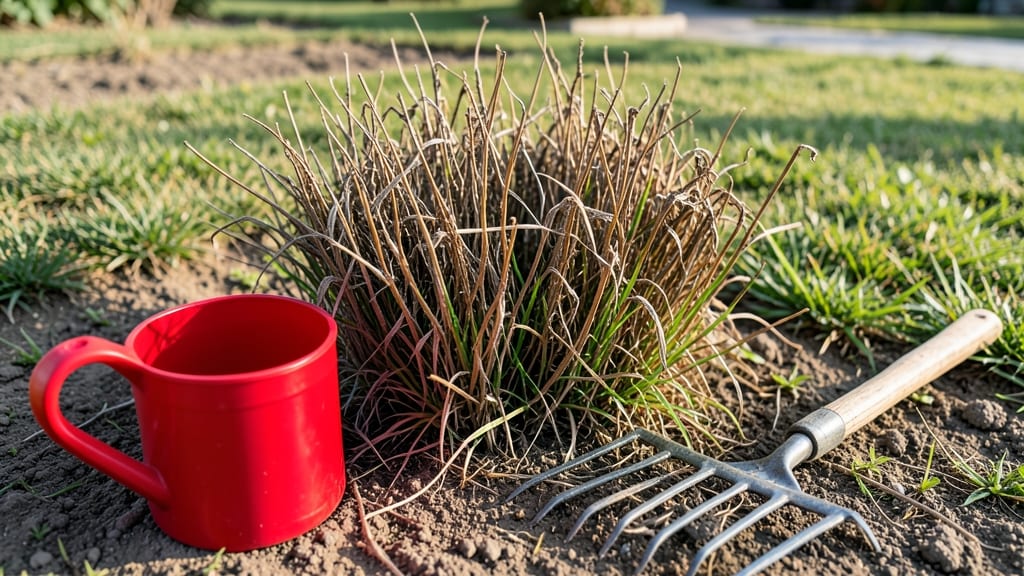
Reviving dead grass by regrowing it is simpler than you think—even when patches look hopeless.
Staring at a patch of dead grass can feel like a lawn care disaster, but science proves revival is possible with the right techniques. Whether your grass died from drought, disease, or foot traffic, these methods will help you restore a lush, green lawn without starting from scratch.
Most homeowners assume dead grass means a full replacement, but the truth is that targeted regrowth can save time and money. With the right steps—like overseeding, aeration, and proper watering—you can bring your lawn back to life in just a few weeks.
In this guide, I’ll walk you through three science-backed methods to revive dead grass, including when to use each approach and how to prevent future damage. Let’s get your lawn thriving again!
3 Science-backed methods to revive dead grass patches
Dead grass patches don’t mean your lawn is doomed. The key lies in understanding the biological triggers that revive grass—whether it’s dormant seeds waking up, roots regrowing, or soil conditions improving.
Science shows that overseeding, soil aeration, and patch repair work because they address the root causes: compacted soil, lack of nutrients, or dead thatch layers.
Each method targets a different stage of grass decline, and choosing the right one depends on how severe the damage is and what type of grass you have.
For example, Kentucky bluegrass and perennial ryegrass respond well to overseeding because they have dormant seeds in the thatch layer. Meanwhile, Bermuda grass or Zoysia may need soil aeration to break through compacted layers.
The science is clear: water, oxygen, and nutrients are the three pillars of grass revival. Let’s dive into the three proven methods that restore life to dead patches—no matter the cause.
🌱 3 Science-Backed Ways to Revive Dead Grass
- 1. Overseeding: Scatter new grass seeds over existing dead patches to exploit dormant seeds in the thatch. Ideal for large areas with 50-70% dead grass where roots are still alive but blades are gone. Works best in spring or early fall when soil temps are 50-75°F. The biological process? New seeds germinate while existing roots provide a nutrient bridge for faster establishment.
- 2. Soil Aeration: Poke small holes (3-4 inches deep) in compacted soil to let oxygen, water, and nutrients reach grass roots. Perfect for small to medium patches where grass is yellowing but roots are still active. Aeration triggers microbe activity in the soil, breaking down thatch and encouraging root regrowth. Best done in spring or fall when grass is actively growing.
- 3. Grass Patch Repair: Remove dead grass, loosen soil, and replant with new sod or seed. Use this for large bare spots (>30% of the lawn) where no roots remain. This method mimics natural lawn renewal by providing instant grass cover while new roots establish. Timing is critical—late spring or early summer for warm-season grasses, early fall for cool-season types.
Pro Tip: Test your soil first! A pH of 6.0-7.5 and adequate nitrogen (10-0-10 fertilizer) are non-negotiable for any revival method. 🌱
Let’s break down when to use each method based on your grass type and damage level. If your lawn has thin, patchy areas but no large bare spots, overseeding is your best bet.
This method leverages the natural seed bank in your lawn—many grasses, like fescue or bluegrass, have dormant seeds in the thatch that can sprout given the right conditions. The process is simple: mow short, rake lightly, seed, and water deeply.
Within 14-21 days, you’ll see new shoots if the roots are still alive.
For compacted soil or slow-draining areas, soil aeration is the game-changer. Compacted soil suffocates roots by blocking oxygen and water, which triggers anaerobic conditions—bad news for grass. Aeration creates micro-channels that let air, water, and nutrients penetrate deeply.
Pair this with a light top-dressing of compost to feed microbes that break down thatch. You’ll know it’s working when you see faster green-up in spring and better drought resistance in summer.
When the damage is severe—think large bare spots where no grass is growing at all—patch repair is your last resort. This isn’t just about replanting; it’s about rebuilding the soil structure. Start by removing dead grass and loosening the soil to a depth of 4-6 inches.
Mix in compost or peat moss to improve drainage and add starter fertilizer (high in phosphorus) to encourage root development. Then, lay down new sod or seed. This method is labor-intensive but delivers instant results if done correctly.
One common mistake? Skipping soil prep. Before seeding or aerating, test your soil for pH and nutrient levels. Grass needs nitrogen for blades, phosphorus for roots, and potassium for drought resistance.
If your soil is acidic (pH <6.0), add lime; if it’s alkaline (pH >7.5), use sulfur. A simple DIY soil test kit (available at garden centers) costs less than $10 and saves you from wasted effort. Remember, healthy soil = healthy grass.
Timing is everything in grass revival. Cool-season grasses (like tall fescue or ryegrass) thrive when soil temps are 50-65°F, which means early spring or fall is prime time. Warm-season grasses (like Bermuda or Zoysia) need 70-85°F soil temps, so late spring to early summer is ideal.
Planting at the wrong time stresses the grass, making it more susceptible to disease and slowing regrowth. Check your USDA hardiness zone to align with your local growing season.
Watering is the make-or-break factor in any revival method. New seeds and young roots need consistent moisture to establish. Deep watering (1/2 inch per week) is better than frequent light watering, which encourages shallow roots and fungal growth.
Water early in the morning to reduce evaporation and prevent disease. If you see yellowing or wilting, you’re either overwatering (root rot risk) or underwatering (stress). Aim for soil that’s moist but not soggy—think of a damp sponge, not a dripping wet one.
Finally, patience is key.
Revival isn’t instant—it’s a biological process that takes time. Overseeding can show results in 2-3 weeks, but full establishment takes 6-8 weeks. Aeration improves soil structure in 4-6 weeks, but you’ll see long-term benefits in root health and drought tolerance. Patch repair gives immediate green-up, but roots need 3-4 months to fully integrate.
Celebrate small wins, like new sprouts or fewer brown patches, and keep up with regular mowing (3-4 inches tall) and fertilizing to maintain progress.
With these science-backed methods, your dead grass patches don’t have to stay dead. Whether you choose overseeding, aeration, or patch repair, the secret is in the details: soil prep, timing, watering, and patience.
Start with one method, monitor the results, and adjust as needed. Before you know it, you’ll be looking at a lush, green lawn—no do-over required. 🌿
Step-by-step guide to overseeding for grass revival
Overseeding is your best bet for reviving dead grass patches without a complete lawn overhaul. This method involves spreading new grass seed over your existing lawn to fill in thin or bare spots. The key? Proper preparation and timing to ensure the seeds germinate and establish strong roots.
Whether your grass died from drought stress, fungal disease, or heavy foot traffic, overseeding can bring it back to life with the right approach.
Before diving in, gather your tools: a lawn rake, broadcast spreader, seed, and compost. The best time to overseed is during early spring or early fall when temperatures are mild, and rainfall is consistent.
This timing gives seeds the ideal conditions to sprout and grow without competing with extreme heat or cold. Let’s break down the process step by step for a flawless revival.
Set your mower to its lowest setting (about 1/2 inch) and trim the dead grass. This exposes the soil, allowing seeds to make direct contact for better germination.
Rake the area thoroughly to remove thatch and dead grass clippings. Use a lawn aerator or a garden fork to create small holes in the soil (about 2-3 inches deep) to improve seed-to-soil contact.
Test your soil’s pH level (ideal range: 6.0–7.0). If needed, amend with compost or lime to improve fertility and drainage. This step ensures seeds have the nutrients they need to thrive.
Select a grass seed blend that matches your climate and lawn type. For example, Kentucky bluegrass thrives in cool climates, while Bermuda grass is ideal for warm, sunny regions. Mixing cool-season and warm-season seeds can extend your lawn’s green season.
Use a broadcast spreader to distribute seeds evenly over the area. Aim for about 5–10 lbs of seed per 1,000 sqft, depending on the seed type. Lightly rake the area to press seeds into the soil without burying them.
Water the seeded area lightly but frequently—about 1/4 inch per day for the first 2 weeks. Keep the soil moist but not soggy. After germination (usually 7–21 days), reduce watering to 1/2 inch per week to encourage deep root growth.
Once new grass reaches 2–3 inches tall, mow it at 3 inches to strengthen roots. Avoid heavy foot traffic for at least 4–6 weeks to prevent disturbing the young seedlings. Apply a light fertilizer after 6 weeks to support growth.
Timing is everything when overseeding. In USDA Zone 6a, aim for March–April or September–October to avoid extreme heat or frost. If you’re in a warmer climate, early fall is your best bet to avoid summer drought stress.
Patience is key—new grass may take 3–4 weeks to germinate, but with consistent care, your lawn will bounce back stronger than ever.
Pro tip: Mulch the seeded area with straw to retain moisture and protect seeds from birds or wind. Remove the mulch once the grass is 2 inches tall to allow sunlight to reach the new growth.
With these steps, you’ll transform those dead patches into a vibrant, healthy lawn in no time.
Don’t let dead grass discourage you—overseeding is a proven method to revive your lawn naturally. The key is preparation, consistent watering, and patience. Soon, you’ll be enjoying a lush, green carpet underfoot again. 🌱