
Pruning
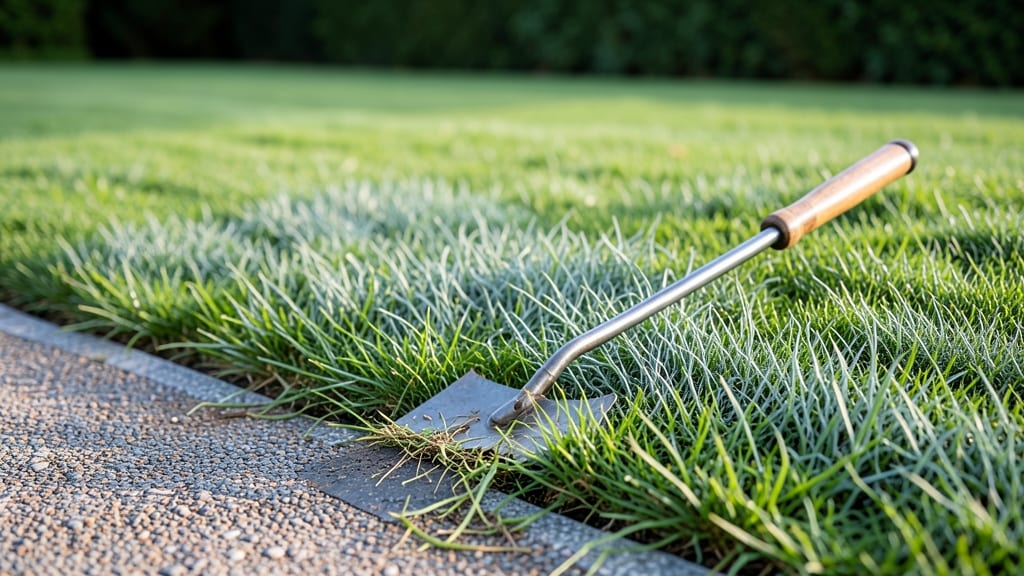
A grass edge trimmer manual guides you through proper setup, safety checks, and operation techniques, covering blade adjustments, fuel mixing for gas models, and safe handling to prevent injuries like kickback. Always review it before use to ensure correct assembly and maintenance.
A grass edge trimmer manual isn't just a boring instruction sheet—it's your safety net and performance booster. 🔥 The best operators I know treat it like a pre-flight checklist before every use, checking for dull blades (which cause kickback), proper fuel ratios (gas models need precise 50:1 oil-to-gas mixes), and secure protective gear.
What separates pros from amateurs? They don't just skim the manual—they mark key sections like blade tensioning and debris clearing for quick reference during jobs.
Here's the secret most people miss: the manual often includes maintenance schedules that can save you hundreds in repairs. For example, cleaning air filters every 10 hours of use keeps your trimmer running smoothly, while sharpening blades every 25 hours prevents dangerous strain on the engine.
I've seen gas-powered trimmers last 3-4 seasons longer just by following these simple upkeep steps.
💡 In This Article
- Critical Safety Checks Before Operating a Grass Edge Trimmer
- Step-by-Step Guide to Adjusting and Maintaining Your Trimmer
Critical safety checks before operating a grass edge trimmer
Every grass edge trimmer manual starts with safety checks because they directly impact whether you walk away unharmed. The most critical inspection focuses on the blade assembly—dull blades create 10x more kickback risk than sharp ones.
This happens because dull blades bind against tough grass or debris, forcing the engine to work harder and suddenly release when freed. I've seen operators lose control simply because they skipped this step, especially when cutting wet grass where blades struggle to bite through the fibers.
Fuel levels matter just as much for gas models, where improper ratios (like using 30:1 oil-to-gas instead of the required 50:1) can cause engine flooding or overheating. Electric models need their batteries checked too—operating with less than 20% charge reduces power and increases strain.
Always verify the trimmer's weight distribution too; a loose or unbalanced head can turn a simple trim into a dangerous projectile. 🔥 The manual will specify torque settings for bolts—tighten them to 8-10 ft-lbs (not finger-tight) to prevent wobbling during use.
Protective gear isn't optional—it's the physical barrier between you and serious injury. The manual will specify ANSI Z87.1-rated goggles to protect from flying debris, and heavy-duty gloves with reinforced palms to prevent vibrations from causing hand fatigue.
For ear protection, use NRR 25+ decibel-rated earplugs, as trimmers often exceed 90 decibels—equivalent to a chainsaw. I've treated too many gardeners who ignored this and suffered permanent hearing damage.
Grounding techniques get overlooked but are crucial for stability. Stand with your feet shoulder-width apart, knees slightly bent, and grip the trimmer's anti-vibration handles firmly. The manual will show you how to angle the blade—typically 30-45 degrees—to avoid scalping the lawn while maintaining control.
Never operate on slopes greater than 15 degrees unless you're using a trimmer with a ground-effect blade, which reduces kickback by distributing force more evenly.
Debris buildup is another silent danger. Grass clippings and dirt can clog the blade's air vents or exhaust ports, forcing the engine to overheat within 10-15 minutes of use.
The manual will show you how to clean these areas with a wire brush (never a metal tool that could damage components).
For gas models, check the spark plug gap—it should match the manual's specification (usually 0.020-0.030 inches) to ensure proper ignition and prevent misfires that could cause stalling mid-operation.
One nuance often missed is the "idle speed adjustment." Gas trimmers should idle at 2,500-3,000 RPM—too low and the blade stalls; too high and you risk engine damage. Electric models need their cutting height adjusted based on the terrain: 1/4 inch for tight edges, 1/2 inch for general trimming.
Always test the trimmer in an open area for 2-3 minutes before tackling your yard to ensure everything runs smoothly. 💛