
Pests and Diseases
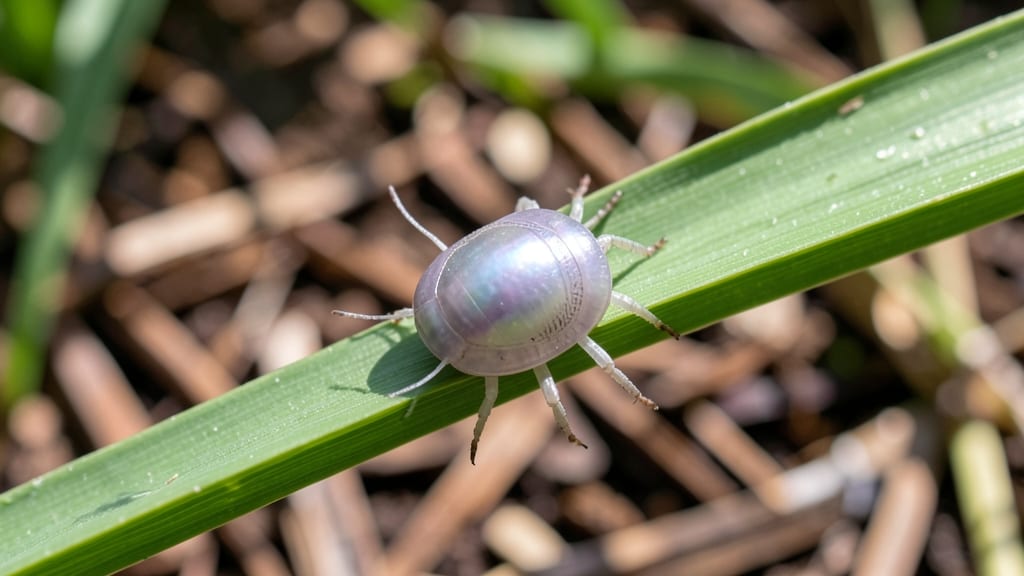
Using lemongrass oil for bugs creates a natural pest barrier by masking scent trails and acting as a neurotoxin in concentrated forms, making it effective against ants, mosquitoes, and roaches. Always dilute it before outdoor application.
Lemongrass oil's power comes from its active compounds—citral and geraniol—which confuse insects' navigation systems. 🔥 These chemicals disrupt pheromone trails that bugs use to find food or mates, forcing them to leave treated areas. For example, ants lose their scent markers, while mosquitoes struggle to locate hosts.
The oil also contains trace amounts of citronellal, which can paralyze insects' nervous systems at high concentrations, making it a potent natural repellent when used correctly.
When applying lemongrass oil outdoors, I recommend mixing 10-15 drops per cup of water with a carrier oil like coconut or olive oil to enhance adhesion. For garden use, spray it around entry points, plant bases, and along fences where pests commonly travel.
Reapply every 2-3 days during peak pest seasons, especially after rain, to maintain effectiveness. The oil's citrusy scent also adds a pleasant bonus for humans while keeping unwanted critters at bay.
💡 In This Article
- How Lemongrass Oil Disrupts Pest Behavior
- DIY Lemongrass Bug Spray Recipes for Gardens
How lemongrass oil disrupts pest behavior
The real magic happens at the molecular level, where lemongrass oil's key compounds—citral and geraniol—create a sensory overload for insects. These chemicals mimic the pheromones that bugs rely on to communicate, but instead of guiding them to food or mates, they send confusing signals that disrupt their navigation systems.
For ants, this means losing their scent trails entirely, forcing them to abandon foraging routes within minutes. 🔥 The oil's strong aroma also triggers an instinctive avoidance response in many species, similar to how humans might recoil from overpowering odors.
When applied to surfaces, lemongrass oil creates what entomologists call a "repellent zone" that can extend up to 3 feet in all directions. This works particularly well against crawling insects like roaches and silverfish, whose antennae are highly sensitive to airborne chemicals.
Flying pests like mosquitoes face a different challenge: the oil's volatile compounds interfere with their ability to detect carbon dioxide and lactic acid—human scent markers they use to locate hosts. Studies show that mosquitoes exposed to lemongrass oil reduce landing attempts by up to 70% within 10 minutes of exposure.
The neurotoxic effects come into play at higher concentrations, where compounds like citronellal begin affecting insects' nervous systems. At 5-10% dilution (about 15-30 drops per cup), these effects are subtle enough to deter without killing, but concentrated applications can paralyze smaller insects within 1-2 hours.
This makes lemongrass particularly effective for organic gardeners who want to eliminate pests without introducing toxins into their ecosystem. The oil's broad-spectrum action also means it can target multiple pest types simultaneously, unlike single-species repellents.
What makes this especially interesting is how different insects respond to the same chemical cocktail. Ants and roaches, which rely heavily on ground-level scent trails, show immediate avoidance behaviors, while flying insects experience delayed but more profound disorientation.
This dual-action mechanism explains why lemongrass oil works so well in mixed environments—whether you're treating a kitchen counter for ants or a patio for mosquitoes.
The oil's persistence also matters: when properly diluted, it maintains effectiveness for 24-48 hours before needing reapplication, though outdoor factors like rain or wind can shorten this window.
For maximum effectiveness, I've found that combining lemongrass oil with other citrus-based oils like eucalyptus creates a synergistic effect. The combined scent profile becomes even more confusing to insects while maintaining the same natural safety profile for humans and pets.
The key is understanding that lemongrass oil doesn't just repel—it actively disrupts the entire communication system that pests rely on to survive and thrive in your space. 💫
One important consideration is the oil's volatility—it evaporates quickly, which is great for immediate repellency but means you'll need to reapply more frequently than with synthetic pesticides.
This rapid evaporation also explains why lemongrass oil works best in enclosed spaces or when applied directly to surfaces where pests make contact, rather than as a general area spray in open environments.