
Lawn
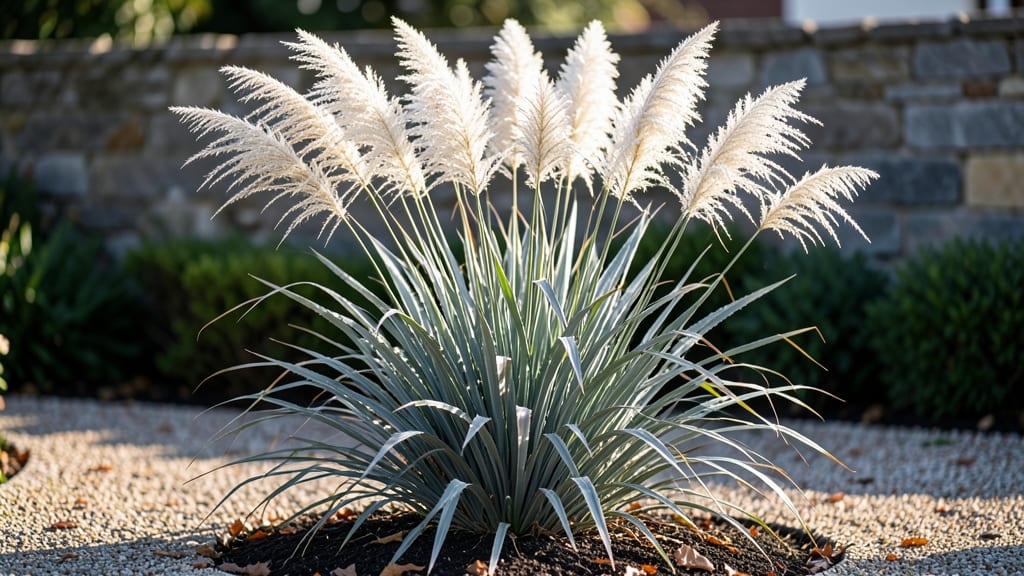
Giant white pampas grass transforms bare spaces into dramatic privacy screens faster than you’d expect. 🌿 I planted mine last spring, and by late summer, the feathery plumes already blocked the neighbor’s fence—three months of growth in a single season.
The secret lies in its aggressive root system and love of sun, which turns it into a low-maintenance powerhouse for screens, borders, and even statement pieces in large containers.
This grass thrives in zones 7-11, where it handles heat, drought, and salt spray like a champ. Start with well-draining soil—it despises soggy roots—and space plants 8-10 feet apart for that lush, wind-swept look.
Water deeply once established, because once settled, it’s drought-tolerant and nearly pest-proof. The plumes alone make it worth growing, but the golden seed heads in fall add another layer of texture that lasts through winter.
By late summer, your screen will be taller than you are, with those signature clouds of white that catch the light like fireworks. The best part? It’s hardier than most ornamental grasses—no need for winter protection in mild climates, and it recovers from pruning like a champ.
Just time your cuts right: trim back the old plumes in early spring before new growth starts, and you’ll encourage even denser foliage.
For those in cooler zones, treat it as an annual or grow it in containers you can winter indoors. The trade-off?
You’ll miss its year-round structure and the way it dances in the breeze—but even a single season of growth proves why this grass is a game-changer for quick, striking impact. Ready to grow yours?
📚 In This Guide
- What you need
- Instructions
- Tips and common mistakes
- Wrapping up and next steps
What you need
- ● Giant White Pampas Grass (Cortaderia selloana): 10–20 plants (depending on desired height and density; spacing 3–5 ft apart)
- ● Choose mature plants (1–2 years old) for faster growth
- ● Soil Amendments: 5 lbs of compost or well-rotted manure per plant
- ● 1 lb of slow-release fertilizer (10-10-10 or similar)
- ● Tools: Garden trowel or shovel
- ● Pruning shears (for shaping)
- ● Measuring tape (for spacing)
- ● Garden hose or watering can (with spray nozzle)
- ● Mulch (2–3 inches of pine bark or shredded leaves) to retain moisture
- ● Epsom salt (1 tbsp per plant) for magnesium boost (if soil is clay-heavy)
- ● Drip irrigation system for consistent watering (especially in hot climates)
- ● Garden gloves and knee pads for comfort during planting
How to plant and grow giant white pampas grass for fast privacy
Here's how to establish a lush, wind-resistant screen that thrives year after year with minimal maintenance.
🪴 Step 1: Select and Prepare the Planting Site
Choose a location with full sun exposure (at least 6-8 hours daily) and well-draining soil. Pampas grass roots spread aggressively, so plant at least 10 feet from foundations or sidewalks to prevent underground competition. I always test drainage first by digging a 12-inch deep hole—if water pools after 24 hours, amend with 2-3 inches of coarse sand mixed into the native soil.
For a privacy screen, space 4 plants per 10-foot section in a staggered pattern. The mature width of each plant reaches 5-6 feet, so plan accordingly. If your soil is heavy clay, work in 1 part compost to 3 parts native soil to improve aeration—pampas grass hates soggy roots.
🌱 Step 2: Plant Crowns at Proper Depth and Spacing
Dig holes twice as wide as the root ball but only 1 inch deeper than the container. The crown (where roots meet stems) must sit at soil level—burying it too deep causes rot, while planting too high stresses the plant. I always mark the crown with a pencil before removing plants from pots to avoid mistakes.
Gently remove the plant from its container and loosen any circling roots with your fingers. Place it in the hole so the crown sits at ground level, then backfill with native soil mixed with 1 cup of balanced 10-10-10 fertilizer per plant. Water deeply until moisture reaches 6 inches down—you'll know it's right when the soil surface looks damp but not glistening.
☀️ Step 3: Establish Watering Routine for First 60 Days
Pampas grass needs 1-1.5 inches of water weekly during establishment, but deep soakings prevent shallow roots. I use a soaker hose placed at the drip line (edge of the root zone) to deliver water slowly without disturbing the soil. Water every 3-4 days until the top 2 inches of soil feel dry—this encourages deep root growth.
After 60 days, reduce watering to once every 10-14 days unless your area experiences extreme heat. Mature plants tolerate drought beautifully, but young plants need consistent moisture to develop strong root systems. Mulch with 2-3 inches of wood chips (keeping it 6 inches away from stems) to retain moisture and suppress weeds.
✂️ Step 4: Prune and Maintain for Year-Round Privacy
Cut back dead foliage in early spring (before new growth appears) using clean, sharp pruners. I always sterilize my tools with rubbing alcohol between cuts to prevent disease spread. Remove only the brown, dry plumes—never cut into live tissue. This encourages fresh, fluffy growth that reaches 10-12 feet tall by midsummer.
Fertilize lightly in late spring with ½ cup of slow-release 10-10-10 fertilizer per plant. Pampas grass is drought-tolerant but benefits from occasional feeding. In winter, leave the plumes intact—they provide texture and wind protection even when dormant. If you prefer a cleaner look, cut them back in late winter before new growth begins.
🌿 Step 5: Monitor for Pests and Adjust Growth
Watch for spider mites or scale insects on new growth—these pests thrive in dry conditions. If you spot webbing or sticky residue, spray the plant with neem oil mixed with water (1 tablespoon per gallon) on a calm evening. Repeat every 7-10 days until pests disappear. Healthy pampas grass rarely has issues, but young plants are most vulnerable.
If your screen grows unevenly, trim the tallest stems by ⅓ in early summer to encourage bushier growth. The goal is a dense, uniform barrier. For faster establishment, consider planting 4-6 plants per 10-foot section—the extra cost pays off in a fuller screen within 2 growing seasons instead of 3.
Tips & tricks for perfect giant white pampas grass privacy screens
These game-changing strategies will help you create a lush, wind-resistant privacy barrier that thrives year after year with minimal effort.
Site Selection Wisdom: The 6-8 hours of full sun requirement is non-negotiable—pampas grass won't reach its full 10-12 foot height without adequate light. I've learned the hard way that partial shade areas will result in leggy, sparse growth. Test your site's sun exposure for a full week before planting to ensure you're meeting this critical need. Also, consider prevailing wind patterns—planting on the windward side creates a natural windbreak that protects your property while establishing privacy.
Planting Depth Secret: Getting the crown depth right is absolutely critical—burying it too deep causes rot while planting too high stresses the plant. Here's my foolproof method: After digging your hole, place the plant in it and trace the crown's position with a pencil on the hole's edge. Then remove the plant and check the depth against your pencil mark. This visual cue ensures perfect placement every time. The 1-inch deeper hole depth is just to accommodate the root ball, not the crown itself.
Watering Technique: The 1-1.5 inches of water weekly during establishment might sound like a lot, but it's essential for developing strong root systems. I use a simple rain gauge placed near my plants to track accumulation—this helps me adjust my watering schedule based on actual rainfall. For the first 60 days, I water every 3-4 days until the top 2 inches of soil feel dry. Pro tip: Water in the early morning to reduce evaporation and prevent fungal issues that can occur with evening watering.
Pest Prevention Strategy: Spider mites and scale insects are the main pests to watch for, especially in dry conditions. I've found that maintaining proper spacing between plants (as recommended) improves air circulation, which naturally deters pests. For extra protection, I mix 1 tablespoon of neem oil per gallon of water and spray it on the undersides of leaves in early evening—this prevents pests from becoming established before they can do damage. The key is consistency: apply every 7-10 days until you see the pests disappear.
Pro Tips for Giant White Pampas Grass
- These game-changing strategies will help you create a lush, wind-resistant privacy barrier that thrives year after year with minimal effort.
- Site Selection Wisdom: The 6-8 hours of full sun requirement is non-negotiable—pampas grass won't reach its full 10-12 foot height without adequate light.
- Planting Depth Secret: Getting the crown depth right is absolutely critical—burying it too deep causes rot while planting too high stresses the plant.
Frequently asked questions
Got questions about Cortaderia selloana? You’re not alone!
Here are the most common queries—and answers—to help you grow a stunning, low-maintenance privacy screen with confidence.
How fast does giant white pampas grass grow?
This grass is a speed demon—expect 3–5 feet per year under ideal conditions (full sun, well-drained soil). With proper care, you can achieve a full privacy screen in just 3 months! Plant in early spring for the fastest results.
Is giant white pampas grass cold-hardy?
It thrives in USDA Zones 7–11 and handles frost like a champ. In colder climates (Zone 6), mulch the base in winter to protect roots. Pro tip: The plumes may brown in winter but bounce back in spring!
How much water does it need?
Once established, this drought-tolerant grass needs minimal watering—just 1 inch per week during dry spells. Overwatering can lead to root rot, so ensure soil drains well. Drip irrigation is ideal for even moisture.
Can I trim or shape giant white pampas grass?
Yes, but go easy! Trim back dead plumes in late winter or early spring to encourage fresh growth. Avoid heavy pruning—it can stress the plant. Use sharp shears and wear gloves (the edges are spiky!).
Are there alternatives if I want something less invasive?
If you’re concerned about spread, consider ornamental grasses like miscanthus or bamboo (clumping varieties). For a similar look, try Pennisetum ‘Hameln’—it’s non-invasive and just as dramatic!
Why are my pampas grass plumes turning brown?
Brown plumes are normal in winter, but if they stay brown in warm weather, check for underwatering, pests (like spider mites), or fungal issues. Boost humidity or apply a balanced fertilizer to revive it. Pro tip: Trim only the dead parts to avoid shocking the plant.
Wrapping up and next steps
Transforming your outdoor space into a lush, private sanctuary is easier than you think! The giant white pampas grass offers a stunning, low-maintenance solution that delivers year-round privacy in just three months.
Whether you’re shielding your patio, adding curb appeal, or creating a serene backyard oasis, this versatile plant is your secret weapon—fast, beautiful, and effortless.
Ready to take the next step? Start small—plant a few clumps to test your space, or go bold with a full border. With minimal care and maximum impact, your dream privacy screen is just a few weeks away. Let your garden shine! 🌿✨