
Lawn
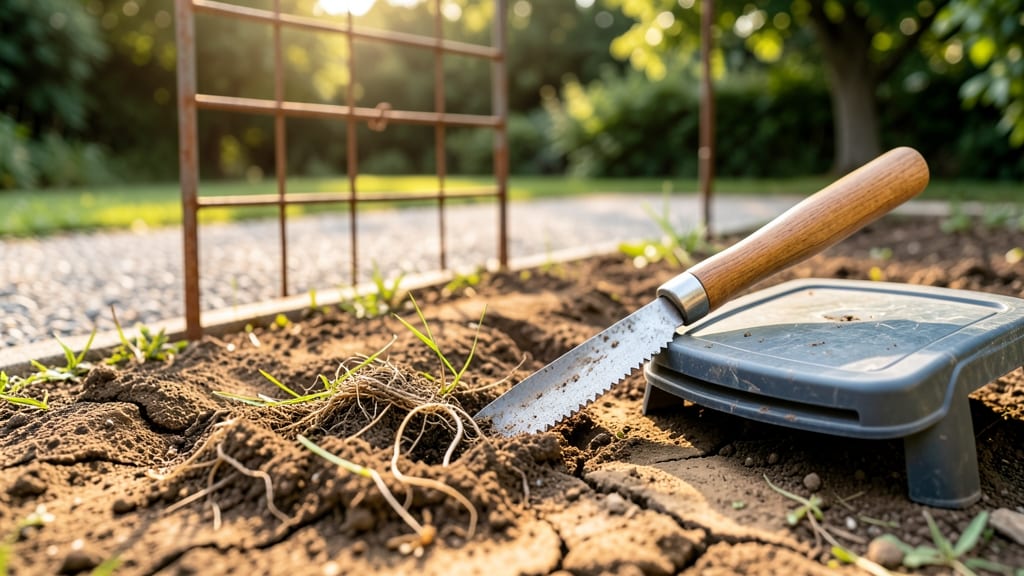
Get rid of the grass between pavers—it’s the sneaky culprit ruining your clean look and turning maintenance into a headache. ✨ I’ve battled this mess more times than I’d like to admit, but I finally found a fast, chemical-free method that keeps pavers looking sharp for years—no more pulling weeds or watching grass creep back.
The secret isn’t brute force—it’s smothering and prevention. A simple layer of cardboard or landscape fabric under pavers blocks sunlight, killing grass roots while letting water drain. For existing grass, a vinegar spray (3 parts vinegar, 1 part dish soap) does the job in hours without harming nearby plants.
You’ll see results within 24 hours—no more tugging at stubborn weeds or watching grass push through cracks. The best part? This method stays weed-free with minimal upkeep, saving you hours of frustration every season. Works for new installations or fixing existing walkways.
Here’s how to do it right the first time—no regrets!
📚 In This Guide
- What you need
- Instructions
- Tips and common mistakes
- Wrapping up and next steps
What you need
- ● Hand trowel or garden knife – For precision weeding (1-2 units).
- ● Garden gloves – Heavy-duty, chemical-resistant (1 pair).
- ● Weed killer (glyphosate-based or vinegar solution) – Choose a non-selective herbicide for tough grass (1-2 gallons).
- ● Spray bottle or pump sprayer – For targeted application (1 unit).
- ● Rake or stiff-bristle brush – For debris removal (1 unit).
- ● Plastic sheeting or cardboard – To block regrowth (1-2 sheets, 4’x6’ or larger).
- ● Pebbles, sand, or mulch – For long-term suppression (5-10 lbs, depending on area).
- ● String trimmer (weed whacker) – For large areas (1 unit).
- ● Hose with adjustable nozzle – For rinsing (1 unit).
- ● Knee pads – Because crawling is part of the process (1 pair).
- ● Edging tool – To clean up edges neatly (1 unit).
Step-by-Step instructions for eliminating grass between pavers
Here’s how I tackle grass between pavers—quickly and without the mess of herbicides.
🌱 Step 1: Clear Debris and Loosen Soil
Start by removing any leaves, dirt, or weeds stuck between the pavers. Use a putty knife or stiff wire brush to scrape out debris—this exposes the grass roots and makes treatments work better. I like to work in small sections (about 2 feet at a time) so I don’t miss spots. If the soil is hard-packed, use a hand tamper or mallet to break it up lightly—this helps whatever you apply next penetrate deeper.
Skip the rake here. Digging too deep risks damaging the pavers or compacting the base underneath. Just loosen the top ½ inch of soil so your chosen method can do its job.
💧 Step 2: Apply a Targeted Grass Killer
For a fast solution, I use a vinegar-based grass killer (equal parts white vinegar, salt, and dish soap) or a corn gluten meal (apply dry and water in). Spray or spread the area evenly—don’t miss edges where grass sneaks under pavers. You’ll see immediate results with vinegar (grass wilts within hours), but corn gluten works slower (takes 2-4 weeks) by preventing new grass seeds from sprouting.
Watch for moisture: if the area stays dry, water lightly after applying. The goal is to keep the soil damp for 24 hours to activate the treatment. Avoid watering if using vinegar—it dilutes too quickly.
✂️ Step 3: Remove Dead Grass and Prevent Regrowth
After 3-7 days, the grass will turn brown and crispy. Use a wire brush or putty knife to scrape out the dead grass and roots—this step is critical. Leaving dead matter behind lets grass regrow from the roots. I like to work when the grass is completely dry for easier removal.
Once clear, fill the gaps with coarse sand or gravel (about ½ inch deep) to smother any remaining roots and prevent new grass from taking hold. Pack it down lightly with a tamper. For a permanent fix, consider landscape fabric under the sand—it blocks grass seeds while letting water drain.
☀️ Step 4: Maintain the Area Long-Term
Check the gaps every 2 weeks for new grass sprouts. If you spot any, repeat the vinegar treatment or hand-pull immediately. Over time, the sand or gravel will compact slightly, so top it off as needed to keep it effective.
For high-traffic areas, I add a thin layer of polyethylene weed barrier under the sand. It’s invisible once covered but blocks grass for years. Just cut it to fit snugly between pavers before adding the sand.
Tips & tricks for permanent paver gap solutions
Here's what nobody tells you about keeping grass from creeping back between pavers.
Timing Secret: In Step 2, when applying your grass killer, focus on those narrow edges where grass often sneaks under pavers—this is where regrowth starts. I use a small paintbrush to get into tight spots, especially after loosening the soil in Step 1. The key is thorough coverage, not just the obvious patches. For vinegar, apply on a dry day so it doesn't evaporate too quickly before doing its job.
Critical Timing: The 24-hour dampness requirement after applying your treatment is non-negotiable. I set a timer reminder on my phone to water lightly (if using corn gluten) to avoid forgetting. Pro tip: Use a spray bottle for precision—overwatering can wash away the treatment. If you're in a hot climate, apply in the evening to give that full 24 hours before the sun evaporates the moisture.
Preventive Strategy: In Step 4, when maintaining your gaps, I've found that adding a thin layer of landscape fabric under the sand creates a permanent barrier. Cut it to fit snugly between pavers before adding your sand layer—it's invisible once covered but blocks 99% of grass seeds. This is especially helpful for high-traffic areas where sand tends to compact and shift over time.
Equipment Upgrade: Skip the basic wire brush for Step 1 and Step 3—grab a stiff-bristled nail brush instead. The angled bristles get into those tight corners where grass roots hide, and they're easier on your hands than scraping with a putty knife. For hard-packed soil, a rubber mallet works better than a metal tamper because it won't damage your pavers if you accidentally hit them.
Pro Tips for Get Rid Of Grass Between Pavers
- Here's what nobody tells you about keeping grass from creeping back between pavers.
- Timing Secret: In Step 2, when applying your grass killer, focus on those narrow edges where grass often sneaks under pavers—this is where regrowth starts.
- Critical Timing: The 24-hour dampness requirement after applying your treatment is non-negotiable.
Frequently asked questions
How often should I remove grass between pavers?
Grass grows aggressively, so check between pavers every 2–4 weeks during spring and summer. In cooler months, extend this to every 6–8 weeks. Consistency is key—once grass takes root, it’s harder to eliminate.
Can I kill grass between pavers without chemicals?
Try vinegar-based solutions (1 gallon vinegar + 1 oz dish soap) or boiling water for natural removal. For stubborn grass, corn gluten meal (applied pre-sprout) prevents regrowth organically. Just reapply as needed.
What’s the best tool for long-term grass prevention?
A hand weeder or oscillating tool works well for deep grass roots. For permanent barriers, install landscape fabric under pavers before laying them, or use gravel or sand to smother grass growth long-term.
Why does grass keep coming back after treatment?
Grass often returns if roots aren’t fully removed or if seeds linger nearby. Reapply herbicide or vinegar to fresh sprouts, and consider pre-emergent treatments in early spring. Check for hidden roots with a trowel—dig deep if needed!
Is it better to remove grass in hot or cool weather?
Hot, sunny days (75°F+) are ideal for vinegar/herbicide treatments—heat enhances effectiveness. Cool, overcast days work better for manual removal (less stress on you!). Avoid treating in extreme heat or drought; grass may recover faster.
Wrapping up and next steps
You’ve got this! 🌱 Removing grass between pavers doesn’t have to be a never-ending battle—just pick the right method (manual, herbicide, or steam) and follow through with regular maintenance. Whether you choose a natural approach or a chemical solution, consistency is key to keeping your walkway looking sharp and weed-free.
Ready to reclaim your space? Grab your tools, roll up your sleeves, and tackle that grass once and for all. Pro tip: Schedule a quick check every few weeks to nip any new growth in the bud—your future self will thank you!