
Lawn
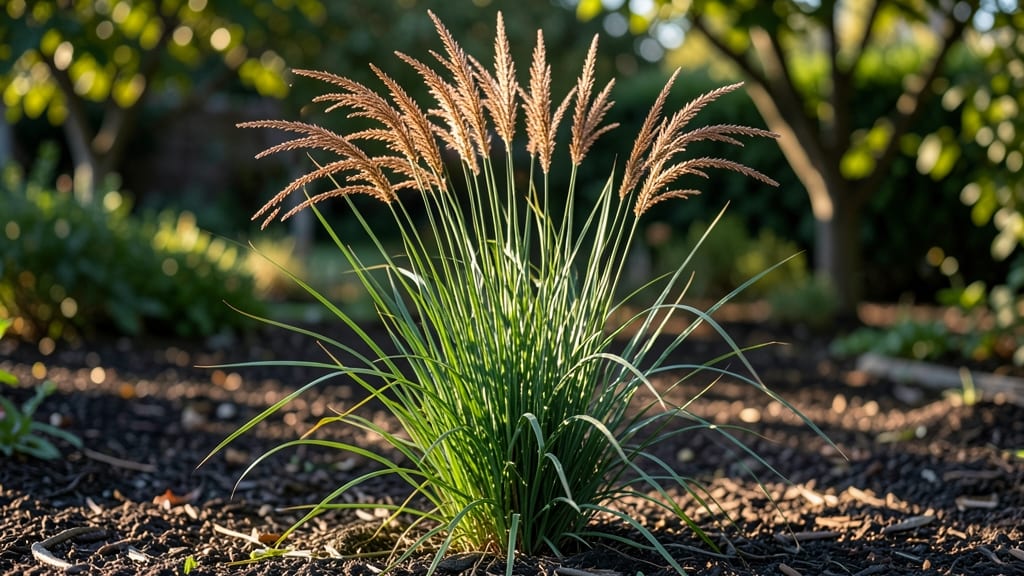
This fountain grass ornamental grass transforms any landscape into a dancing masterpiece with its arching plumes and year-round texture—it instantly became my patio’s star when I planted a single clump. breeze and adding drama to the space.
The feathery plumes catch sunlight like tiny mirrors, creating shimmering highlights that change with the seasons. This ornamental grass thrives in full sun to partial shade, making it perfect for borders, containers, or even as a standalone statement plant.
Varieties like Pennisetum and Miscanthus offer different heights and colors, from deep burgundy to golden yellow, so you can mix and match for visual impact. It’s also low-maintenance, needing only occasional trimming to keep it tidy.
The real magic happens when you pair it with complementary plants—think lavender for contrast, hostas for lush foliage, or succulents for texture. In winter, the dried plumes add structure, while in summer, they sway like a natural wind chime.
It’s the kind of plant that makes your garden feel alive, no matter the season. Whether you’re designing a modern courtyard or a cottage-style garden, fountain grass delivers effortless elegance.
Start with one clump, and watch how it elevates your outdoor space with movement and texture that no other plant can match.
📚 In This Guide
- What you need
- Instructions
- Tips and common mistakes
- Wrapping up and next steps
What you need
- ● Fountain Grass Plants: 10–20 Pennisetum alopecuroides plants (quantity depends on desired coverage; spacing 12–18 inches apart for full effect).
- ○ Optional varieties: ‘Hameln’ (compact), ‘Little Bunny’ (dwarf), or ‘Fireworks’ (variegated).
- ● Soil: Well-draining, slightly acidic soil (pH 6.0–7.0). Amend heavy clay with compost or sand (1–2 bags per 10 sq. ft.).
- ● Fertilizer: Slow-release balanced fertilizer (10-10-10) or organic compost (1 lb per 10 sq. ft.).
- ● Mulch: Pine straw or wood chips (2–3 inches deep; 1–2 bags per 10 sq. ft.).
- ● Watering Supplies: Garden hose with soaker hose or spray nozzle.
- ● Watering can (for small areas).
- ● Tools: Garden trowel or shovel.
- ● Pruners (for trimming dead foliage).
- ● Gloves (to protect hands from sharp grass blades).
- ● Measuring tape (to ensure proper spacing).
- ● Erosion Control: Landscape fabric (to suppress weeds in the first year).
- ● Seasonal Care: Winter protection: Burlap wrap for young plants in cold climates.
- ● Fungicide (e.g., neem oil) if fungal issues arise.
- ● Design Enhancements: Decorative stones or mulch rings to highlight plants.
- ● Outdoor string lights for evening ambiance.
How to plant and maintain fountain grass for year-round landscape drama
This graceful grass thrives with minimal fuss—just follow these proven steps for lush, swaying foliage that dances through every season.
Choose the Perfect Planting Location
Fountain grass adores full sun—select a spot receiving at least 6-8 hours of direct sunlight daily. Even partial shade reduces its signature movement and can lead to leggy, weak growth. I always check the site's afternoon sun exposure first; fountain grass needs that late-day warmth to develop its signature plumes.
Well-draining soil is critical—this grass despises soggy roots. If your soil drains poorly, amend with 2-3 inches of compost mixed into the top 12 inches of soil. Test drainage by digging a hole, filling it with water, and timing how long it takes to drain; if it takes longer than 4 hours, improve the soil before planting.
Plant at the Right Depth and Spacing
Dig holes twice as wide as the root ball but only as deep—planting too deep suffocates the crown and invites rot. Gently tease the roots outward if they're circling the root ball; this encourages faster establishment. I like to plant in early spring or late fall when temperatures are mild, giving roots 6-8 weeks to settle before summer heat.
Space plants 2-3 feet apart for single varieties or 3-4 feet apart if mixing different fountain grass cultivars. Crowding reduces airflow, creating prime conditions for fungal diseases. After planting, water deeply to eliminate air pockets and help roots make immediate contact with moist soil.
Water Strategically for Strong Establishment
Keep soil consistently moist for the first 2-3 weeks after planting, then gradually taper to deep watering once weekly during dry spells. Fountain grass develops deep roots once established, so shallow, frequent watering encourages weak, surface roots. You'll know watering is adequate when the soil feels 2-3 inches deep is damp but not soggy.
Mulch with 2-3 inches of shredded bark or pine straw to retain moisture and suppress weeds. Keep mulch 2 inches away from stems to prevent rot. Once established, fountain grass handles drought surprisingly well—its blue-green blades turn a lovely silvery hue when thirsty, signaling it's time to water again.
Prune for Year-Round Interest
Cut back old foliage in late winter or early spring before new growth emerges. Use clean, sharp pruners to trim 2-3 inches above the ground—never cut into the crown. This encourages fresh, vibrant growth and prevents the plant from looking ragged. I always wear gloves; fountain grass can be sharp after winter dormancy.
Remove any dead or diseased foliage throughout the growing season. Fertilize lightly in spring with a balanced 10-10-10 formula—too much nitrogen produces lush leaves at the expense of those dramatic plumes. Watch for powdery mildew in humid climates; improve airflow by thinning crowded plantings if needed.
Winter Care for Next Season's Growth
Fountain grass is cold-hardy in most climates, but heavy snow or ice can damage the plumes. Gently brush off accumulated snow to prevent breakage. In zones with below 0°F winters, mulch heavily with 4-6 inches of straw or leaves to protect the crown. Most varieties resprout reliably from the base each spring.
Divide mature clumps every 3-4 years in early spring to maintain vigor. Dig up the plant, separate the root ball into sections with at least 3-4 healthy shoots each, and replant immediately. This rejuvenates the parent plant and provides free propagation material for your garden or to share with fellow gardeners.
Tips & tricks for perfect fountain grass planting and maintenance
These practical insights will help you transform your landscape with vibrant, thriving fountain grass that moves beautifully year-round.
Sunlight Strategy: The 6-8 hours of daily sunlight requirement is non-negotiable for that signature movement. I've seen fountain grass struggle in morning sun only—it needs those afternoon rays to develop its full plume potential. If your site gets less than 6 hours, consider a container where you can move it to sunnier spots during peak afternoon hours. This grass truly dances in full sun, so don't compromise on light exposure.
Soil Preparation Secret: That 4-hour drainage test is your best friend for preventing root rot. I've learned the hard way that fountain grass will tolerate dry conditions but never soggy ones. If your soil fails the test, mix in perlite or coarse sand along with the compost to create that perfect drainage. Think of it as creating a "sandy loam" texture—this grass wants its roots to breathe, not suffocate.
Planting Timing: The 6-8 week establishment period before summer heat is crucial for root development. I always plant in early spring because summer heat can stress newly transplanted grass. If you must plant in summer, choose a cloudy day and provide afternoon shade for the first 2 weeks. The key is giving those roots time to establish before the real heat arrives.
Winter Protection: That 4-6 inch mulch layer in freezing zones (below 0°F) makes all the difference. I've seen fountain grass survive -10°F winters with proper protection, but without it, the crown can suffer. Use straw rather than leaves—it insulates better and won't mat down. Think of it as giving your grass a cozy winter blanket that lets air circulate while keeping out the cold.
Pro Tips for Fountain Grass Ornamental Grass
- These practical insights will help you transform your landscape with vibrant, thriving fountain grass that moves beautifully year-round.
- Sunlight Strategy: The 6-8 hours of daily sunlight requirement is non-negotiable for that signature movement.
- Soil Preparation Secret: That 4-hour drainage test is your best friend for preventing root rot.
Frequently asked questions
Got questions about fountain grass? You’re not alone!
Whether you’re a first-time gardener or a seasoned landscaper, these frequently asked questions will help you grow and maintain this stunning ornamental grass like a pro.
Is fountain grass easy to grow for beginners?
Fountain grass is one of the most forgiving ornamental grasses for beginners. It thrives in full sun to partial shade and tolerates a wide range of soil types—even poor or rocky soil. Just ensure it has well-draining soil, and you’ll enjoy its fluffy plumes with minimal fuss.
How fast does fountain grass grow, and when will it reach maturity?
Fountain grass grows moderately fast, typically adding 1-2 feet per year. Most varieties reach their full height (3-5 feet) and mature foliage within 1-2 years of planting. Patience is key—its iconic arching plumes and texture develop gradually, making it a rewarding long-term investment.
Does fountain grass survive winter, and how do I protect it?
Most fountain grass varieties are hardy and cold-tolerant, surviving winters in USDA Zones 5-11. In colder climates (Zones 5-7), mulch the base with straw or leaves to insulate roots. Avoid cutting back dead foliage until early spring, as it protects the plant from harsh winds and frost.
Can I plant fountain grass in containers, or is it only for gardens?
Yes! Fountain grass thrives in containers as long as the pot has drainage holes and is at least 12-18 inches wide. Use a lightweight, well-draining potting mix and place it in full sun. Just remember to water regularly (containers dry out faster than garden beds). Perfect for patios, balconies, or even as a striking centerpiece!
Why is my fountain grass turning brown or dying back?
Brown or crispy foliage usually signals underwatering, overwatering, or poor drainage. Check the soil—it should be dry to the touch 1-2 inches down. If your plant is waterlogged, improve drainage by amending the soil with sand or peat moss. Fungal issues (like rust) can also cause browning; ensure good airflow and avoid overhead watering.
What are some low-maintenance alternatives to fountain grass?
If fountain grass isn’t your style, consider these easy-care ornamental grasses:
- Miscanthus (Maiden Grass): Tall, feathery plumes; drought-tolerant.
- Carex (Sedge Grass): Compact, grass-like, and shade-friendly.
- Pennisetum (Fountain Grass Lookalike): ‘Hameln’ or ‘Little Bunny’ for smaller varieties.
- Calamagrostis (Feather Reed Grass): Upright and architectural.
Wrapping up and next steps
Fountain grass isn’t just a trend—it’s a game-changer for landscapes, offering year-round texture, movement, and low-maintenance beauty. Whether you’re a seasoned gardener or a beginner, this ornamental grass brings effortless elegance to patios, borders, and even containers. 🌿✨
Ready to transform your outdoor space?
Start by choosing the right variety (like Pennisetum alopecuroides for bold plumes or P. longissimum for airy finesse), then give it the care it thrives on—sunlight, well-draining soil, and occasional trims. Your next step? Grab a trowel, sketch a design, and let fountain grass work its magic! 🌱