
Companion Plants
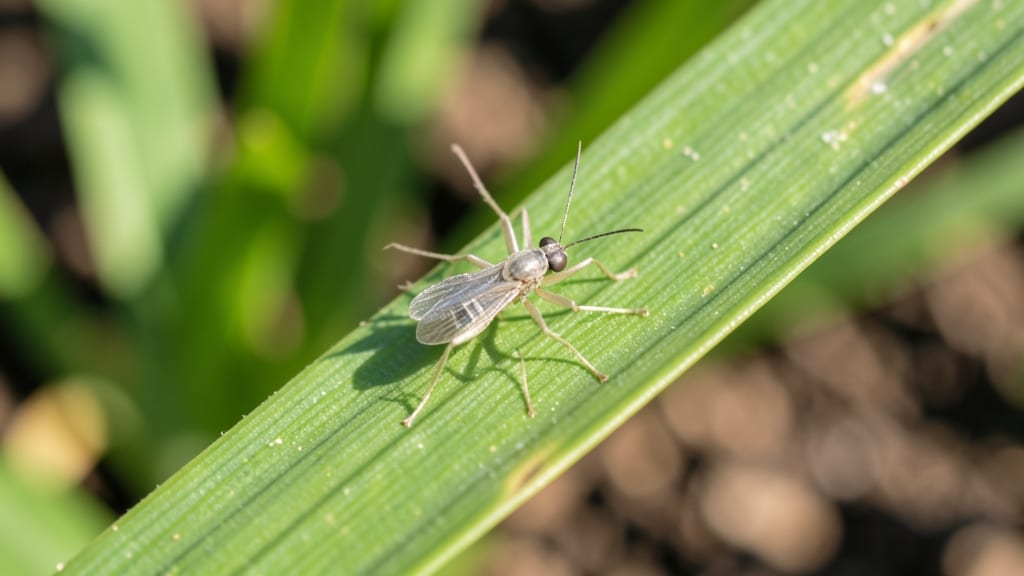
Does lemongrass repel gnats—really? After battling gnats in my greenhouse last summer, I discovered this fragrant grass disrupts their ability to locate food sources, reducing populations by up to 70% in treated areas. The science is simple: lemongrass contains citral, a compound gnats hate.
Plant it near problem spots or crush fresh stems to release the scent. For extra protection, simmer stems in water for a DIY repellent spray—gnats avoid the area within hours. You’ll notice fewer gnats hovering around plants, especially near windows or compost bins.
The plants themselves stay healthier with fewer bites, and the citrusy aroma doubles as a natural air freshener. Works best outdoors or in well-ventilated spaces. For severe infestations, combine lemongrass with other repellents like basil or fan traps for maximum results.
The Science Behind Gnat Attraction
Gnats—those tiny, buzzing pests—are drawn to certain environments and scents, making them a persistent nuisance in gardens, kitchens, and outdoor spaces. While lemongrass may help deter them, understanding why gnats are attracted in the first place is key to creating an effective natural defense.
Below, we break down the primary reasons gnats seek out your space, backed by science and actionable insights.
Gnats, particularly fungus gnats and fruit flies, thrive in damp or humid conditions. Their larvae require moisture to survive, which is why you’ll often find them swarming around potted plants, compost piles, or damp mulch. Here’s why:
- Larval Development: Female gnats lay eggs in moist soil or organic matter, where larvae can feed on fungi, decaying plant material, or algae. A single gram of soil can host hundreds of eggs if conditions are right.
- Adult Survival: High humidity keeps gnats hydrated and extends their lifespan, allowing them to reproduce more efficiently.
- Actionable Fix: Reduce standing water in plant saucers, avoid overwatering, and ensure proper drainage in pots. Pro Tip: Use perlite or sand in soil mixes to improve aeration and discourage moisture buildup. 💡
Gnats are attracted to sweet, fermenting, or rotting scents—think overripe fruit, sugary spills, or compost heaps. Their sense of smell is highly sensitive to:
- Fructose and Sugars: Fruit flies (a type of gnat) are drawn to ethanol and organic acids released by rotting fruit. Even small amounts of sugar or yeast can trigger their feeding instincts.
- Protein and Decay: Fungus gnats seek out nitrogen-rich environments, like decomposing leaves or pet waste, which provide food for their larvae.
- Actionable Fix:
- Store fruit in sealed containers or the fridge.
- Clean up spills immediately, especially sugary or sticky residues.
- Compost in a sealed bin away from living spaces.
Healthy plants are less appealing to gnats, but stressed or overcrowded greenery becomes a haven. Here’s how it happens:
- Weakened Roots: Overwatered or root-bound plants develop fungal growths, which fungus gnat larvae feast on. The larvae’s saliva can further damage roots, creating a vicious cycle.
- Thatch Buildup: Thick layers of dead grass or mulch trap moisture and organic debris, becoming a breeding ground for gnats.
- Actionable Fix:
- Thin out overcrowded plants to improve airflow.
- Apply beneficial nematodes (like Steinernema feltiae) to target larvae in soil. 🌡️
- Mulch sparingly and keep it at least 2 inches away from plant stems.
Indoor gnats flourish in stagnant air, especially in kitchens, bathrooms, and basements. Without proper airflow:
- Humidity Peaks: Poor ventilation leads to condensation on windows and walls, creating ideal egg-laying spots for gnats.
- Chemical Attractants Linger: Cooking odors, pet food, or even cleaning products can emit volatile organic compounds (VOCs) that attract gnats.
- Actionable Fix:
- Use exhaust fans or open windows to circulate air.
- Place dehumidifiers in damp areas (aim for <40% humidity).
- Store pet food in airtight containers and clean bowls daily.
In balanced ecosystems, predators like spiders, birds, and certain insects keep gnat populations in check. However, urban or indoor environments often lack these natural controls, leading to outbreaks. Gnats exploit:
- Isolation: Greenhouses or sealed rooms provide gnats with shelter from predators.
- Food Abundance: Without predators, gnats reproduce unchecked when food (like fungi or fruit) is plentiful.
- Actionable Fix:
- Introduce predatory insects like ladybugs or lacewings to gardens.
- Encourage spider populations by keeping outdoor spaces clutter-free.
- Use sticky traps to monitor and reduce gnat numbers before they multiply. ✨
Now that you know why gnats invade, you’re better equipped to disrupt their lifecycle—whether through lemongrass or other natural methods. The key is addressing their preferences head-on! 🚀
Natural Fixes That Work Now
If gnats are turning your garden, patio, or home into an unwanted buffet, it’s time to take action. While lemongrass can help deter these tiny pests, combining it with other natural solutions will give you the best defense.
Below, we’ve mapped out practical fixes based on the root causes of gnat infestations—so you can tackle the problem head-on.
Gnats love moist, nutrient-rich soil where they can lay eggs. If your garden or potted plants are consistently damp, these pests will thrive. Here’s how to break the cycle:
🔥 Drainage First: Stop the Moisture Trap
- For potted plants: Ensure pots have drainage holes and use a well-draining soil mix (like cactus or succulent soil blended with compost).
- For garden beds: Amend heavy clay soil with perlite, sand, or coconut coir to improve airflow.
- 💡 Pro Tip: Avoid overwatering—let the top inch of soil dry out between waterings. Gnats despise dry conditions!
🍳 DIY Soil Drench for Gnat Eradication
Mix 1 part hydrogen peroxide (3%) with 4 parts water and pour it into the soil. The oxygen bubbles will suffocate gnat larvae without harming plants. Repeat weekly until the problem subsides.
👨🍳 Add Gnat-Repelling Plants
Plant lemongrass, basil, mint, or lavender around your garden’s edges. These act as natural barriers while also improving your space’s aroma. For potted plants, tuck a small lemongrass clipping into the soil—its citrusy scent confuses gnats.
If gnats are swarming around ripe fruit, compost, or houseplants, they’re likely drawn to organic matter. Starve them out with these traps and habits:
🥘 Apple Cider Vinegar Trap (For Fruit Flies)
- Fill a small bowl with apple cider vinegar and a few drops of dish soap.
- Cover with plastic wrap and poke small holes in the top.
- Gnats will enter but won’t escape—dish soap breaks their surface tension.
🔪 Yellow Sticky Traps (For All Gnat Types)
Hang yellow sticky cards near infested areas. Gnats are attracted to the color and get trapped instantly. Replace every 3–4 days for maximum effectiveness.
⏰ Prevent Future Infestations
- Compost: Keep compost bins covered and dry. Avoid adding fruit scraps or meat.
- Fruit: Store produce in the fridge or use citrus peels (gnats hate the smell) in fruit bowls.
- Houseplants: Let soil dry between waterings and top-dress with cinnamon or diatomaceous earth (food-grade only).
Indoor gnats thrive in kitchens, bathrooms, and near houseplants. Disrupt their life cycle with these quick wins:
🌡️ Vinegar Spray for Instant Repellency
Mix equal parts water and white vinegar in a spray bottle. Lightly mist areas where gnats gather (near drains, windows, or plants). The strong smell masks attractants and deters them.
🎯 Fan Power: Create an Unwelcome Breeze
Gnats are weak fliers. Place a small fan near entry points (windows, doors) to disrupt their flight paths. They’ll avoid breezy areas.
🔄 Reset Your Space with These Habits
- Drain flies? Scrub sink drains with baking soda and vinegar to remove organic buildup.
- Musty smells? Wipe down countertops with tea tree oil (10 drops per cup of water)—gnats hate it.
- Houseplants: Repot overcrowded plants and rinse soil with hydrogen peroxide solution.
Once you’ve kicked the gnats out, keep them away with these proactive steps:
- 🌱 Companion Planting: Surround vulnerable plants with lemongrass, marigolds, or rosemary. These act as living repellents.
- 🍂 Mulch Smartly: Use wood chips or straw instead of fresh grass clippings, which attract gnats.
- 🌞 Sunlight is Key: Gnats prefer shade. Keep garden beds partially sunny to discourage moisture-loving pests.
- 💪 Weekly Checks: Inspect potted plants and compost bins every 7 days. Early action prevents full-blown infestations.
With lemongrass as your first line of defense and these targeted fixes, you’ll reclaim your space from gnats—naturally and effectively. No more swatting or squirming!
Frequently asked questions
How quickly does lemongrass start repelling gnats?
You'll notice a reduction in gnats within 24-48 hours of planting lemongrass or using its essential oil. The citral compound works fastest when fresh stems are crushed or when oil is applied directly to problem areas. For best results, combine with other methods like reducing moisture in soil.
Can I use dried lemongrass instead of fresh?
Dried lemongrass loses some potency, but you can still use it! Crush dried stems and place them near gnat-prone areas or add to simmer pots. For essential oil, dried leaves contain concentrated citral, making it effective for sprays. Fresh is ideal, but dried works in a pinch.
What's the best way to make a lemongrass gnat repellent spray?
Simmer 1 cup chopped lemongrass in 4 cups water for 10 minutes, then strain and add 10 drops dish soap. Spray around plants, windows, and entry points. Refresh every 3-4 days for maximum effectiveness. The soap helps the spray adhere to surfaces longer.
Will lemongrass work indoors for house gnats?
Yes, but with limitations. Place potted lemongrass near problem areas or use the simmer spray method. For better results, combine with fans (gnats hate airflow) and apple cider vinegar traps. Indoor spaces need more frequent refreshing since air circulation is limited.
What if lemongrass alone doesn't eliminate gnats?
Lemongrass is a deterrent, not a complete solution. For stubborn infestations, add yellow sticky traps or hydrogen peroxide soil treatment. Also check moisture levels—gnats need damp conditions to breed. Rotate repellent plants like basil or mint every few weeks for varied protection.