
Pests
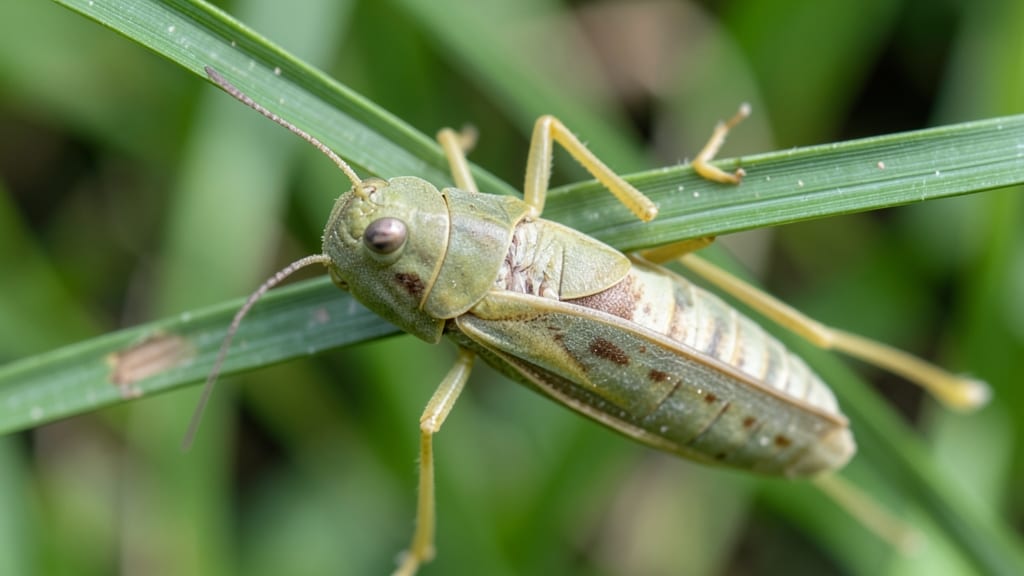
Grasshoppers do not eat worms—they're plant-eaters that feast on leaves, stems, and grasses, not soil-dwelling creatures like worms. Their herbivorous diet keeps them separate from worm predators in the garden ecosystem.
Grasshoppers are strict herbivores, meaning their diet focuses entirely on plant-based materials like grass, crops, and weeds. 🌱 This makes them completely different from worms, which live underground and serve as food for other insects and animals.
The confusion might come from seeing both in gardens, but their ecological roles couldn't be more distinct—grasshoppers munch on vegetation while worms help aerate soil and break down organic matter.
What's interesting is how this dietary difference affects garden ecosystems. While grasshoppers may damage plants, they don't compete with worms for resources. In fact, healthy grasshopper populations can even indicate a thriving garden ecosystem, as they help control weed growth.
The key is understanding their roles separately—grasshoppers as plant consumers and worms as soil engineers.
For gardeners looking to manage both, the solution isn't about controlling grasshoppers to protect worms or vice versa. Instead, it's about creating a balanced environment where both can coexist. Introducing natural predators like birds or beneficial insects can help control grasshopper populations without disrupting the soil ecosystem where worms thrive.
💡 In This Article
- Grasshopper Diet: What They Actually Eat in Gardens
- Natural Predators of Worms: Who Controls Them in Soil?
Grasshopper diet: what they actually eat in gardens
A grasshopper's mouthparts are perfectly adapted for chewing plant material—think of them as nature's lawnmowers with six legs. Their mandibles are strong enough to slice through grass blades, leaf veins, and even young plant stems, but they lack the specialized tools to capture or consume worms.
In fact, a grasshopper's diet consists of 90-100% vegetation, with studies showing they prefer tender new growth over mature leaves, which contain more fiber and less nutritional value.
The confusion about worms likely stems from their similar garden appearances, but their ecological roles couldn't be more different. Grasshoppers are primary consumers in the food chain, feeding directly on producers (plants), while worms are detritivores that break down dead organic matter.
This dietary specialization means grasshoppers never encounter worms as potential prey—they're simply in different ecological zones. A single adult grasshopper can consume up to 0.5 grams of plant material daily, while worms remain safely underground, processing soil nutrients instead.
What's fascinating is how this plant-focused diet affects garden ecosystems. Grasshoppers act as natural weed suppressors by targeting fast-growing plants, which can actually benefit crop health in moderation.
However, their feeding patterns create distinct damage signatures—chewed leaves with clean edges—unlike worm activity, which would show surface disturbances from casting or tunneling. This visual difference helps gardeners quickly identify the culprit when plant damage occurs.
Temperature and moisture levels dramatically influence what grasshoppers eat. During dry spells, they'll consume 20-30% more plant material to compensate for reduced water content, often targeting stressed plants first.
This behavior explains why gardens experience more grasshopper damage during droughts—it's not about worm competition, but about finding sufficient hydration in their plant meals. The key insight is that grasshoppers are opportunistic herbivores, not predators, and their dietary habits are entirely plant-driven.
For gardeners concerned about both grasshoppers and worms, the solution lies in understanding their separate needs. Grasshoppers thrive in open, sunny areas with abundant vegetation, while worms prefer moist, shaded soil with organic matter.
Creating diverse planting zones—like interspersing crops with ground covers—can help satisfy grasshoppers while preserving worm habitats. The two species actually complement each other: grasshoppers control weeds above ground while worms improve soil structure below.
One common misconception is that grasshoppers might eat worm castings (the nutrient-rich deposits worms leave behind). While they might nibble on these if nothing else is available, worm castings are primarily a food source for other soil organisms like beetles and fungi.
Grasshoppers simply don't have the anatomical adaptations to effectively process soil-based materials—their digestive systems are optimized for fibrous plant matter, not the finer organic particles found in castings.
Consider this: if you were to observe a grasshopper's feeding behavior under a magnifying glass, you'd notice it always targets the youngest, most tender plant parts—the growing tips and new leaves. This selective feeding pattern creates the characteristic "windowpaned" damage on leaves, where only the softer tissues are consumed.
Worms, meanwhile, would never create such precise damage patterns—they're more about the big-picture soil improvement rather than individual plant parts.