
Lawn
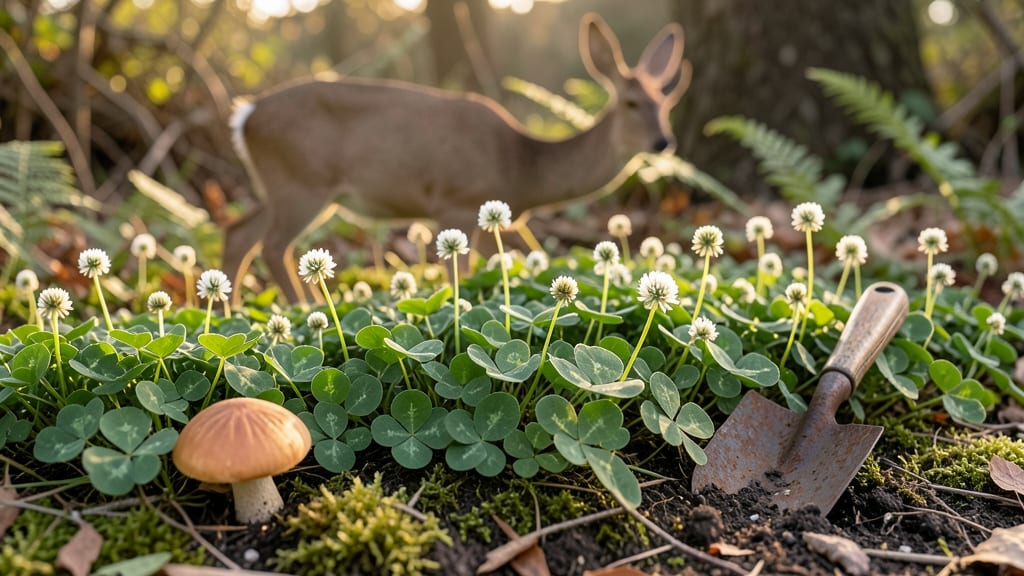
Grass-eating animals in the forest include deer, rabbits, elk, bison, and small rodents like voles and mice, which depend on it for their primary energy and nutritional needs.
Forests teem with creatures that rely on grass as their main food source, though not all herbivores are created equal. 🌿 Deer, for example, use their specialized teeth to grind tough grass stems, while rabbits nibble selectively on tender shoots.
Elk and bison, being larger, can digest fibrous grass more efficiently thanks to their multi-chambered stomachs. Even tiny voles and mice play a role in the ecosystem by consuming grass seeds and young shoots, helping spread nutrients through their droppings.
What's fascinating is how these animals adapt when grass becomes scarce. Some, like deer, shift to browsing on leaves and twigs, while others, such as rabbits, dig up roots or eat bark. This flexibility ensures their survival even in seasonal changes or after forest disturbances.
💡 In This Article
- How Forest Herbivores Adapt to Grass-Based Diets
- Identifying Forest Creatures That Graze on Grass
How forest herbivores adapt to grass-based diets
Forest herbivores have evolved specialized digestive systems to break down fibrous grass efficiently. Large animals like elk and bison possess a four-chambered stomach that ferments plant material through microbial action, allowing them to extract nutrients from tough cellulose.
This process, called rumination, involves regurgitating and re-chewing food to maximize digestion—a process that can take up to 12 hours for a full cycle. 🌱 Smaller animals like rabbits use a different strategy: they have a specialized cecum where fermentation occurs, producing nutrient-rich pellets they re-ingest (a behavior called coprophagy).
The grass itself provides critical nutrients these animals can't get elsewhere. It's packed with silica, which strengthens their teeth against constant grinding, and contains high levels of fiber that stimulates gut motility.
Deer, for example, get about 70% of their diet from grass during summer months, with protein levels reaching 10-15% in fresh growth. When grass becomes scarce in winter, they must rely on stored fat reserves or switch to less nutritious browse like twigs and bark.
Seasonal adaptations are crucial for survival. In late fall, many forest grazers like white-tailed deer increase their intake of grass seeds and roots, which provide concentrated calories.
Rabbits, meanwhile, may dig up bulbs and tubers when surface grass is covered by snow. 🦌 The key adaptation is their ability to store fat during abundant summer months—elk, for instance, can gain 200-300 pounds in just 3 months of peak grazing season.
This stored energy becomes vital during harsh winters when fresh grass is unavailable.
Not all forest herbivores are equal when it comes to grass digestion. Browsers like moose prefer leaves and twigs, while true grazers like bison have wider muzzles designed for pulling up grass in large mouthfuls.
Even within grass-eaters, there are differences: deer have a more flexible diet that includes both grass and leaves, while bison are specialized grazers that rely almost exclusively on grass.
This specialization explains why you'll find bison in open grasslands near forest edges, while deer thrive deeper in wooded areas where they can switch between food sources.
The microbial communities in their digestive tracts play an equally important role. These tiny organisms break down cellulose—a process that would be impossible for the animals alone.
Scientists estimate that 30-50% of a cow's energy comes from microbial fermentation in its rumen. 🔬 In rabbits, similar microbes in the cecum help convert tough plant fibers into usable nutrients.
When grass quality declines (like during drought), these microbial populations can become less efficient, forcing animals to eat more to compensate—a survival strategy that becomes critical during lean seasons.
One fascinating adaptation is how some forest grazers time their feeding patterns. Deer, for example, often graze at dawn and dusk when temperatures are cooler and grass moisture content is higher. This behavior not only conserves energy but also reduces the risk of predation.
The combination of these physiological and behavioral adaptations allows forest herbivores to thrive on what might seem like a simple food source to us—grass provides everything they need when they know how to access it.