
Pests
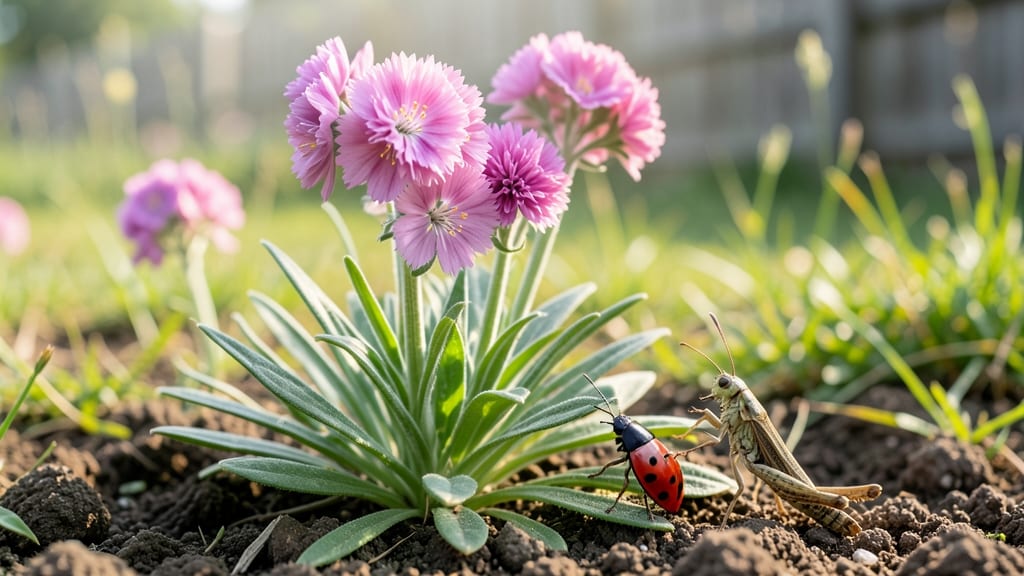
Grasshoppers generally don't eat ladybugs—they have completely different diets, with ladybugs hunting aphids and grasshoppers feeding on plants. However, under severe starvation, grasshoppers might attack ladybug larvae in desperate situations.
Ladybugs are nature's pest control specialists, feasting on aphids and other soft-bodied insects that damage plants.
Grasshoppers, on the other hand, are plant-eating herbivores with no natural interest in ladybugs. 🌱 The only overlap occurs when grasshopper populations explode during droughts or overgrazing—then, even these plant-munchers might turn to ladybug larvae as a last resort.
This rare predation highlights how extreme environmental stress can disrupt even the most stable ecosystems.
Most gardeners can rest easy knowing these beneficial insects coexist peacefully. Ladybugs thrive by controlling pests, while grasshoppers help break down plant matter. The key to maintaining this balance is proper garden management—providing diverse plantings and water sources to support both species naturally.
💡 In This Article
- Ladybugs and Grasshoppers: A Clash of Ecological Roles
- When Nature Turns Unpredictable: Rare Grasshopper-Ladybug Conflicts
Ladybugs and grasshoppers: a clash of ecological roles
Ladybugs and grasshoppers occupy entirely different positions in the food chain, with their diets shaped by evolutionary adaptations. Ladybugs—also called lady beetles—are voracious predators that specialize in soft-bodied insects like aphids, which they consume at a rate of 5,000+ aphids per day during their larval stage.
Their mandibles are perfectly designed to crush aphids' exoskeletons, while their chemical defenses (like reflex bleeding) deter most predators. Grasshoppers, however, are herbivores with powerful jaws adapted for chewing plant material, particularly grasses and broadleaf plants.
The ecological divide becomes clear when examining their digestive systems.
Ladybugs possess specialized enzymes in their saliva that break down aphids' waxy coatings, while grasshoppers have gut microbes that ferment cellulose from plant fibers. 🌱 This dietary specialization means grasshoppers have no nutritional need for ladybugs—they simply don't recognize them as food.
In fact, studies show that when given a choice in lab settings, grasshoppers will ignore ladybug adults entirely, focusing instead on vegetation or other insects like caterpillars when plant food is scarce.
This ecological separation plays a crucial role in garden ecosystems. Ladybugs act as natural pest controllers, reducing aphid populations that would otherwise siphon plant sap. Grasshoppers, while sometimes considered pests themselves, contribute to nutrient cycling by consuming dead plant matter and promoting soil health through their droppings.
The coexistence of these insects creates a balanced system where aphid outbreaks trigger ladybug population booms, while grasshopper numbers are kept in check by predators like birds and spiders—never by ladybugs.
What makes this relationship particularly fascinating is how their behaviors complement each other. Ladybugs are most active during warm, sunny days (70-85°F), when aphid populations peak, while grasshoppers thrive in dry, sunny conditions that often coincide with ladybug hunting grounds.
This temporal and spatial separation minimizes competition, allowing both species to flourish in the same environments without direct conflict. The only time their worlds collide is when environmental pressures—like drought or pesticide use—disrupt these natural patterns.
For gardeners, understanding this dynamic means you can intentionally support both species. Planting diverse vegetation (like clover for ladybugs and sunflowers for grasshoppers) creates habitats that satisfy their different needs. Meanwhile, avoiding broad-spectrum pesticides prevents collateral damage to both populations.
The key insight? These insects aren't just coexisting—they're part of an intricate web where each plays a vital, non-overlapping role in maintaining ecological balance.