
Shrubs
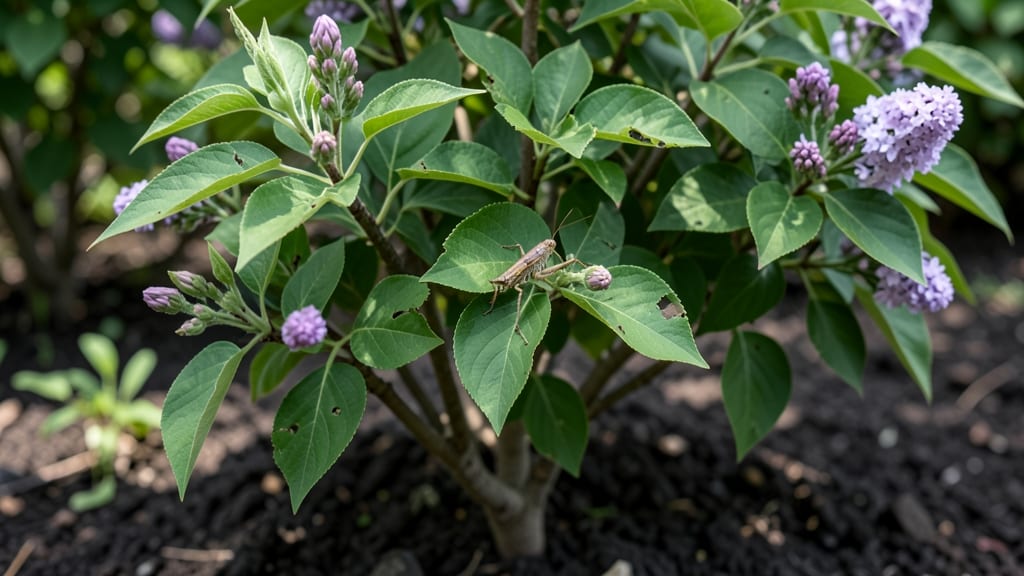
Grasshoppers do eat shrubs, particularly young, tender shoots and leaves, though they prefer broadleaf plants like roses, lilacs, and fruit-bearing shrubs over woody stems. Their feeding can stunt growth and damage foliage if populations explode.
Grasshoppers are opportunistic feeders that target shrubs when other food sources are scarce, especially during dry spells. 🌱 Their strong mandibles can chew through delicate new growth, leaving jagged edges on leaves—a clear sign of their activity.
Unlike caterpillars, they don't create silk webs, but their feeding patterns often reveal themselves through skeletonized foliage or missing flower buds. The damage is most severe in late summer when nymphs and adults are most active, making this the critical window for protection.
What makes shrubs particularly vulnerable is their tender, nutrient-rich foliage—exactly what grasshoppers crave. While they'll nibble on almost any green plant, they show a strong preference for plants with soft stems and high moisture content, like hydrangeas or azaleas.
The key to minimizing damage lies in understanding their feeding habits and acting before populations grow unchecked.
💡 In This Article
- Grasshopper Diet: Why Shrubs Are a Target
- Protecting Shrubs from Grasshopper Damage
Grasshopper diet: why shrubs are a target
Grasshoppers use their powerful mandibles to crush plant cells, creating a distinctive feeding pattern that reveals their preferences. Their jaws can exert 30-50 pounds of pressure per square inch, allowing them to chew through even semi-woody shrub stems up to ¼-inch thick.
This mechanical advantage explains why they target young, tender growth—new shoots contain 20-30% more water and nutrients than mature leaves, making them irresistible. 🌿 The damage often appears as irregular holes or completely skeletonized foliage, where only the leaf veins remain.
Broadleaf shrubs like roses and lilacs are particularly vulnerable because their leaves offer both soft texture and high nutritional value. Grasshoppers avoid tough, fibrous plants like boxwood or heavily wax-coated leaves (such as holly), which require more energy to consume.
Interestingly, fruit-bearing shrubs like currants or gooseberries become prime targets during their flowering and fruiting stages, as the sugars in blossoms and developing fruit act as attractants. This explains why gardeners often notice increased damage in late spring and early summer, coinciding with these plants' peak growth periods.
The age of the plant plays a crucial role in susceptibility. Seedlings and first-year shrubs are most at risk because their stems are too thin to deter feeding, while established plants with thicker bark can sometimes survive light grazing.
Grasshoppers exhibit what scientists call "preference hierarchies"—they'll always choose the most tender, nutrient-dense plants available, which is why a mixed shrub border might show dramatic differences in damage patterns between species. 🌱 For example, a hydrangea might be completely defoliated while a nearby juniper remains untouched.
What makes shrubs particularly appealing is their chemical composition. Many contain secondary metabolites that grasshoppers find palatable, unlike some trees that produce toxic compounds. The trade-off for gardeners is that these same compounds often make shrubs more attractive to herbivores.
For instance, azaleas contain grayanotoxins that deter many insects, but grasshoppers have evolved to tolerate these compounds at the concentrations found in ornamental varieties. This evolutionary arms race explains why certain shrubs consistently suffer more damage than others in the same environment.
Comparing shrubs to other garden plants reveals an interesting pattern: grasshoppers show less interest in vegetables like tomatoes or peppers because these plants often contain higher levels of defensive chemicals. However, once these crops are harvested, grasshoppers will readily shift to nearby shrubs.
This behavioral flexibility makes them particularly challenging pests to manage, as their diet shifts with seasonal availability. Understanding these preferences helps gardeners implement targeted protection strategies before damage becomes severe. 💡