
Pests and Diseases
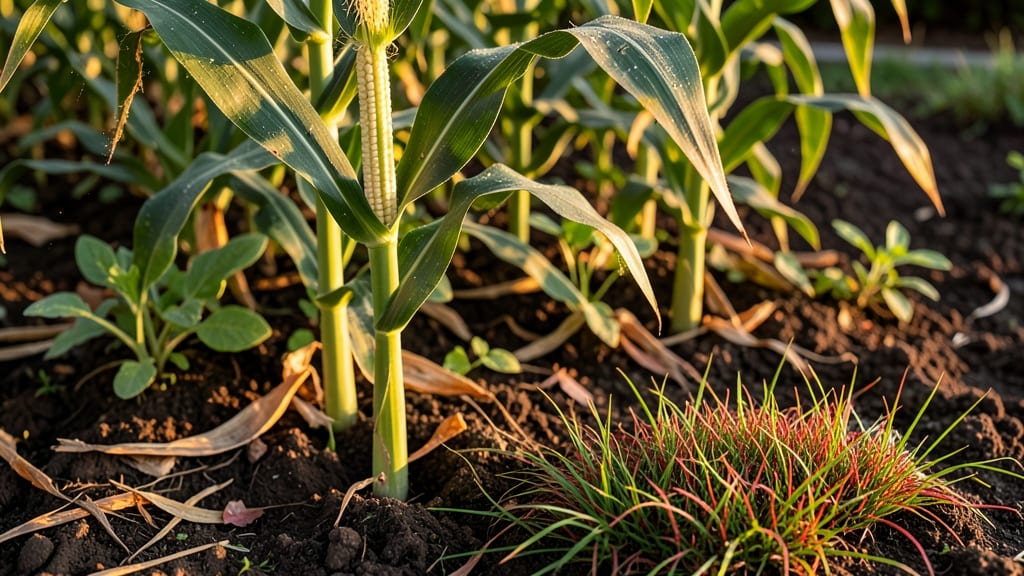
These pests have a strong preference for environments that provide both food and shelter. 🌱 Overripe fruit releases sugars that act like a beacon, while nitrogen-heavy plants accelerate their growth. Warmth and moisture create ideal breeding conditions, which is why they swarm gardens after rain.
Understanding these triggers helps you take proactive steps—like removing standing water or planting grasshopper-repellent herbs—to naturally reduce their presence.
Grasshoppers also target specific plant types, particularly young shoots and tender leaves, which are easier to consume. Their attraction to standing water isn't just for hydration—it also helps them lay eggs in moist soil.
The key to deterring them lies in disrupting their preferred conditions while maintaining a healthy garden ecosystem.
💡 In This Article
- Grasshopper Habitat and Diet Preferences
- Natural Grasshopper Deterrents for Gardens
Grasshopper habitat and diet preferences
Grasshoppers thrive in environments that provide both food and shelter, with temperature and moisture playing critical roles. These insects prefer warm, sunny areas where daytime temperatures hover between 75-85°F, as their metabolic rate accelerates in heat.
Their bodies lack the ability to regulate temperature efficiently, so they seek out microclimates that stay consistently warm—often basking on rocks or leaves to absorb heat. This is why they become most active during summer months, especially in regions with long, hot days.
Their diet is heavily influenced by plant chemistry, particularly nitrogen content. Grasshoppers are drawn to nitrogen-rich plants like corn, wheat, and alfalfa because these contain higher levels of proteins and amino acids, which fuel their rapid growth.
Overripe fruit, with its fermenting sugars and soft texture, acts as a magnet because it’s easy to consume and provides quick energy. Even a single overripe apple or tomato can attract dozens of grasshoppers within hours, as the scent of fermenting fruit carries up to 100 feet in still air.
Moisture is another key factor, but not in the way you might think. While they avoid standing water for drinking, they actively seek out damp soil to lay eggs.
Female grasshoppers dig into moist earth to deposit their egg pods, which explains why gardens with poor drainage or recent rainfall see sudden grasshopper surges. The larvae that hatch from these eggs thrive in damp conditions, feeding on tender young shoots until they mature into adults.
This life cycle preference means that even a small patch of soggy soil can become a breeding ground.
Grasshoppers also exhibit a strong preference for dense foliage and undisturbed areas, where they can hide from predators and rest. Their compound eyes detect movement exceptionally well, but they’re easily startled by sudden disturbances.
This is why they often cluster in tall grasses, weeds, or garden borders where they can remain hidden until they’re ready to feed. The texture of their preferred plants—soft, young leaves—is another factor, as these require less chewing effort than mature, fibrous growth.
Interestingly, their attraction to certain plants isn’t just about nutrition—it’s also about chemical cues. Some plants, like corn, release volatile organic compounds when stressed (such as from drought or pest damage), which grasshoppers detect as a signal of easy prey.
This chemical communication system makes them particularly destructive to crops during drought years, when stressed plants emit stronger distress signals. Understanding these triggers helps gardeners and farmers implement targeted deterrents.
Consider this: a single grasshopper can consume up to 0.1 grams of plant material per day, but swarms of thousands can strip a field bare in weeks. Their preference for nitrogen-rich plants isn’t just about taste—it’s about efficiency.
These plants grow quickly, providing a renewable food source that meets their high protein needs. By recognizing these patterns, you can create a garden that’s less appealing to them while maintaining its health and productivity.