
Lawn
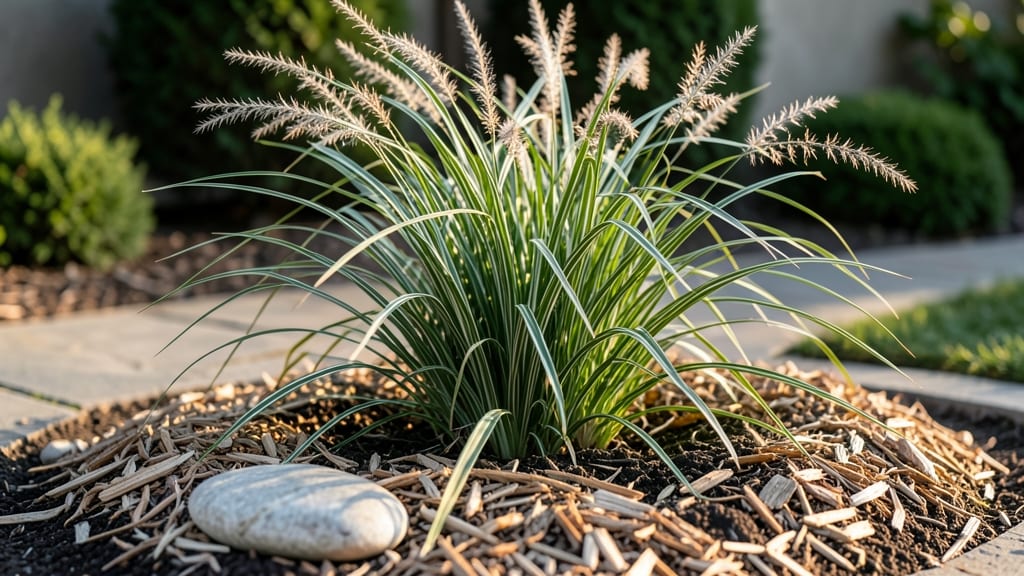
Minnesota’s brutal winters don’t have to mean boring landscapes—decorative grasses bring year-round texture and movement to your yard, even when snow blankets the ground. 🌿 I’ve watched my own prairie-style garden transform from a winter wasteland into a four-season showpiece, thanks to cold-hardy grasses like Northern Sea Oats and Little Bluestem, which stay upright through frost and return lush in spring.
The best part? These grasses thrive with minimal fuss—no mowing, no fussing over deadheading, just stunning vertical lines and rustling foliage that dance in the wind. They’re perfect for borders, focal points, or even replacing lawns in sunny spots where traditional grass struggles.
My 3-foot-tall Miscanthus still stands tall after -20°F winters, its plumes catching the light like frozen fireworks.
You’ll get seasonal interest from golden fall hues to winter seed heads that feed birds, plus a natural, low-maintenance look that beats plastic ornaments any day. Even my neighbor’s skepticism melted when their Switchgrass border stayed green through last winter’s 30-day deep freeze—now they’re asking for my plant list.
Whether you’re revamping a prairie-style garden or just adding texture to a small yard, these grasses adapt to Minnesota’s extremes. I’ll show you how to pick the right varieties for your space and keep them looking their best with one simple trick—no green thumb required.
📚 In This Guide
- What you need
- Instructions
- Tips and common mistakes
- Wrapping up and next steps
What you need
- ● Decorative grasses: Choose 3–5 varieties suited for Minnesota’s climate (e.g., Miscanthus sinensis, Calamagrostis acutiflora, or Panicum virgatum). Buy 3–5 plants per variety (or more for larger areas).
- ● Soil amendments: Compost (1–2 bags, 50–75 lbs each) to improve drainage and fertility.
- ● Perlite or coarse sand (10–20 lbs) for sandy or clay-heavy soils.
- ● Mulch: Shredded bark or straw (2–3 cubic feet) to retain moisture and suppress weeds.
- ● Fertilizer: Slow-release, balanced (10-10-10) or low-nitrogen (5-10-10) granular fertilizer (1 lb per 100 sq ft).
- ● Tools: Garden trowel or spade
- ● Garden fork (for amending soil)
- ● Pruners (for trimming)
- ○ Wheelbarrow (optional, for hauling materials)
- ● Measuring tape or string (to mark planting areas)
- ● Location: Select a spot with full sun (6+ hours/day) or partial shade (varies by grass type). Avoid low-lying areas prone to frost pockets.
- ● Soil test: Check pH (ideal: 6.0–7.0) and amend as needed. Minnesota’s clay soil? Mix in compost + perlite to improve aeration.
- ● Timing: Plant in early spring (April–May) or early fall (September) for best root establishment.
- ● Water source: A hose with a gentle spray nozzle or drip irrigation system for consistent moisture.
- ● Erosion control fabric (for slopes or windy areas).
- ● Edging tools (to define garden beds neatly).
- ● Decorative stones or gravel (for mulch alternatives).
- ● Plant labels (to track varieties and care needs).
How to plant and maintain cold-hardy decorative grasses in Minnesota
Minnesota’s harsh winters and hot summers demand grasses that thrive year-round—here’s how to select, plant, and care for the toughest varieties.
🌱 Step 1: Choose the Right Minnesota-Tough Grasses
Focus on native and cold-hardy varieties like Little Bluestem (Schizachyrium scoparium), Feather Reed Grass (Calamagrostis acutiflora), or Prairie Dropseed (Sporobolus heterolepis). These handle Zone 3-4 winters and 90°F summers without fuss. I avoid tender ornamental grasses like Pampas grass—they flop in heavy snow.
Buy plants from reputable nurseries (not big-box stores) for disease-free, locally adapted stock. Check the USDA hardiness rating on the tag—anything below Zone 4 risks winter dieback. For instant impact, group 3-5 plants per clump in odd-numbered arrangements to mimic natural prairie spacing.
🪴 Step 2: Prepare the Planting Site for Year-Round Success
Decorative grasses thrive in full sun to partial shade (6+ hours of light daily). Test your site: if leaves turn yellow by mid-summer, it’s too shady. Amend heavy clay soil with 2-3 inches of compost to improve drainage—waterlogged roots kill grasses faster than cold snaps.
Dig holes twice as wide as the root ball but only as deep. Set plants so the crown sits 1 inch above soil level—this prevents rot during spring thaws. Space clumps 3-5 feet apart for mature size (check the tag). Mulch with 2 inches of shredded bark to suppress weeds and retain moisture.
☀️ Step 3: Water Deeply and Establish for First-Year Resilience
Water deeply once a week during the first growing season (spring through fall). Let the soil dry 2-3 inches deep between waterings—overwatering causes weak stems that flop in winter. You’ll know it’s right when the soil feels like a wrung-out sponge at that depth.
Fertilize lightly in early spring with 5-10-10 (½ cup per 10 sq ft). Skip fall feeding—grasses go dormant naturally and don’t need extra nutrients. By late September, stop watering entirely to harden off the roots before winter. Brown foliage in winter is normal—it protects the crown.
✂️ Step 4: Prune Strategically for Season-Long Beauty
Cut back last year’s growth in early spring (March-April) before new shoots emerge. Use clean, sharp pruners and cut 2-3 inches above the ground—never remove more than ⅓ of the plant. This prevents disease and encourages fresh growth. If you wait until summer, the plant wastes energy regrowing what it could’ve used for flowering.
Leave seed heads through winter for texture and wildlife habitat. Only remove them if they’re completely brown and crumbly (late winter). Divide clumps every 3-4 years in early spring if they outgrow their space—dig up the entire plant, split the root ball, and replant sections immediately.
⏰ Step 5: Winterize for Minnesota’s Harshest Conditions
Mulch heavily with 4-6 inches of straw or leaves after the first hard frost (November). This insulates the crown from sub-zero temperatures and prevents heaving. In Zone 3, wrap young plants with burlap if winds exceed 20 mph—desiccation is a bigger threat than cold.
Remove winter mulch in late February once daytime temps consistently stay above 32°F. Watch for new growth in March—this signals the plant is actively photosynthesizing and ready for spring care. If you see mold or slimy stems, your mulch stayed too wet; next time, use coarser material like pine needles.
Tips & tricks for perfect cold-hardy decorative grasses
These pro secrets will help your Minnesota grasses thrive through every season—no matter how brutal the weather gets.
Selection Strategy: When choosing varieties like Little Bluestem or Prairie Dropseed, look for plants with dense root balls and vibrant green foliage—these signs indicate strong, healthy stock. I always check for USDA Zone 4 or higher ratings on the tag, as anything lower risks winter dieback. For maximum impact, arrange plants in odd-numbered clumps (3-5 plants) to create natural-looking groupings that mimic prairie landscapes. This visual trick instantly elevates your garden's design.
Soil Science: Minnesota's heavy clay soil can be deadly for grasses if not properly amended. The 2-3 inches of compost recommendation isn't just about drainage—it also introduces beneficial microbes that help roots establish faster. I've seen grasses wither in clay because people skip this step. Pro tip: Test your soil's pH before planting—most native grasses prefer 6.0-7.5. If your soil is too acidic, add lime in the fall before planting.
Winter Survival Hacks: The 4-6 inches of mulch in Step 5 is non-negotiable for Zone 3-4 gardens. But here's what nobody tells you: use coarse mulch materials like straw or pine needles instead of fine leaves. Fine mulch compacts and holds moisture, creating rot-prone conditions. For extra protection in windy areas, create a windbreak barrier using burlap or evergreen boughs—this prevents desiccation from winter winds, which can be more damaging than cold itself.
Pruning Precision: That 2-3 inch cut in Step 4 might seem arbitrary, but it's actually a 1/3 rule—never remove more than one-third of the plant's growth at once. This preserves the plant's energy reserves for new growth. I've seen people cut too aggressively in spring, only to watch their grasses struggle all season. For a cleaner look, use haggard shears instead of regular pruners—they create a more uniform cut without crushing stems. And always clean your tools with rubbing alcohol between cuts to prevent disease spread.
Pro Tips for Decorative Grasses Minnesota
- These pro secrets will help your Minnesota grasses thrive through every season—no matter how brutal the weather gets.
- Selection Strategy: When choosing varieties like Little Bluestem or Prairie Dropseed, look for plants with dense root balls and vibrant green foliage—these signs indicate strong, healthy stock.
- Soil Science: Minnesota's heavy clay soil can be deadly for grasses if not properly amended.
Frequently asked questions
Got questions about adding decorative grasses to your Minnesota landscape? You’re not alone! Here are some of the most common inquiries—plus expert answers to help you grow with confidence.
What are the best low-maintenance decorative grasses for Minnesota winters?
For Minnesota’s harsh winters, opt for cold-hardy varieties like Northern Sea Oats (Chasmanthium latifolium), Feather Reed Grass (Calamagrostis acutiflora ‘Karl Foerster’), or Little Bluestem (Schizachyrium scoparium). These grasses thrive in Zone 3-4, require minimal care, and offer year-round texture. Pro tip: Plant in fall for root establishment before winter!
Do decorative grasses survive Minnesota’s freezing temperatures?
Many grasses are perennial and winter-hardy, meaning they’ll bounce back each spring. Some, like Switchgrass (Panicum virgatum), may brown in winter but regrow vibrantly. Evergreen varieties like Dwarf Fountain Grass (Pennisetum alopecuroides ‘Hameln’) retain color year-round. Just avoid cutting back until early spring to protect dormant growth.
When is the best time to plant decorative grasses in Minnesota?
For optimal success, plant in early spring (April–May) or early fall (September–October). Fall planting gives roots time to establish before winter, while spring planting avoids drought stress. Avoid late summer—hot, dry conditions can stress young plants. Pro tip: Water deeply after planting and mulch lightly to retain moisture!
How do I prevent decorative grasses from flopping over in windy Minnesota conditions?
Flopping is common in windy climates, but you can minimize it by:
- Choosing upright varieties like Miscanthus sinensis or Maiden Grass (Miscanthus sacchariflorus).
- Planting in sheltered spots (e.g., near fences or buildings).
- Staking taller grasses temporarily until established (use soft ties!).
- Avoid over-fertilizing—less nitrogen = stronger stems.
For severe wind, consider dwarf or clumping types like Blue Fescue (Festuca glauca).
Can I mix decorative grasses with other plants in my Minnesota garden?
Yes! Grasses pair beautifully with perennials, shrubs, and even wildflowers. Try pairing Feather Reed Grass with black-eyed Susans or Little Bluestem with coneflowers for contrast. For low-light areas, combine with hostas or heucheras. Key tip: Group grasses by height—tall varieties (4–6 ft) in back, shorter ones (1–3 ft) in front.
Wrapping up and next steps
Decorative grasses are a game-changer for Minnesota landscapes, offering year-round beauty, low maintenance, and resilience against harsh winters. Whether you're a seasoned gardener or a beginner, these cold-hardy plants add texture, movement, and eco-friendly charm to your outdoor space. 🌿
Ready to transform your yard? Start small—pick one or two grasses that suit your climate and style, then expand as you gain confidence. Your dream landscape is just a clump of grass away!
- 📝 Next step: Sketch a simple layout or browse local nurseries for inspiration.
- 🌱 Pro tip: Pair grasses with native perennials for a cohesive, wildlife-friendly design.